
Major Peace Agreements in African History
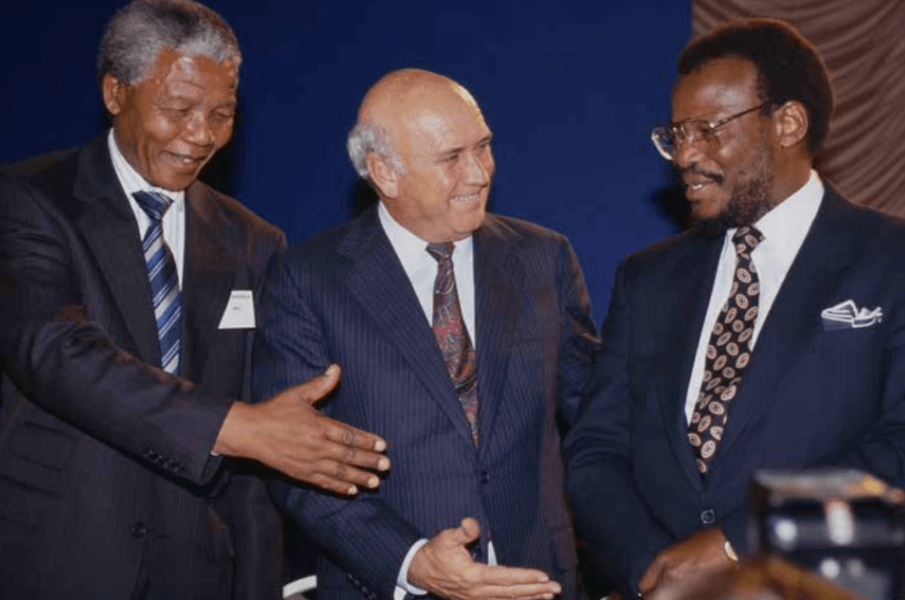
Major Peace Agreements in African History
Major Peace Agreements in African History: Shaping Stability, Reconciliation, and Regional Cooperation
Throughout Africa’s history, conflicts have emerged from colonial legacies, ethnic divisions, political rivalries, competition over natural resources, and struggles for self-determination. While many of these conflicts caused devastating humanitarian crises, they also produced remarkable diplomatic efforts that resulted in significant peace agreements. These agreements not only ended wars but also laid the foundations for political reforms, democratic transitions, reconciliation, and regional stability.
Peace agreements are more than signed documents; they represent negotiated compromises among governments, armed groups, regional organizations, and international partners. Although not every agreement achieved lasting peace, many became milestones that transformed entire nations and influenced conflict resolution across the continent.
This article examines some of the most significant peace agreements in African history, their historical contexts, key provisions, achievements, challenges, and enduring legacies.
Understanding Peace Agreements
A peace agreement is a formal arrangement negotiated between conflicting parties to end violence and establish conditions for lasting peace. These agreements often address:
- Ceasefires
- Political power-sharing
- Constitutional reforms
- Disarmament and demobilization
- Refugee resettlement
- Justice and reconciliation
- Security sector reform
- Election frameworks
Successful peace agreements require implementation, political commitment, public trust, and continuous international support.
Why Peace Agreements Matter in Africa
African conflicts frequently affect neighboring countries through refugee movements, cross-border insecurity, economic disruption, and humanitarian emergencies. Consequently, peace agreements have significance far beyond national borders.
Major benefits include:
- Saving lives by ending armed conflict
- Encouraging democratic governance
- Restoring economic activity
- Rebuilding public institutions
- Promoting national unity
- Facilitating humanitarian assistance
- Strengthening regional cooperation
1. The Arusha Peace and Reconciliation Agreement (Burundi, 2000)
After years of ethnic violence between Hutu and Tutsi communities, Burundi experienced one of Africa’s longest civil conflicts. The Arusha Peace Agreement sought to address deep political divisions through inclusive governance.
Key Provisions
- Power-sharing between ethnic groups
- Democratic elections
- Military reform
- Refugee repatriation
- Constitutional reforms
Achievements
The agreement significantly reduced violence and established institutions designed to prevent ethnic domination. It also encouraged more inclusive governance and facilitated democratic elections.
Challenges
Some rebel groups initially refused to participate, and sporadic violence continued. Political tensions have persisted despite the agreement’s successes.
2. The Comprehensive Peace Agreement (Sudan, 2005)
The Comprehensive Peace Agreement (CPA) ended Africa’s longest civil war between northern and southern Sudan after more than two decades of fighting.
Major Components
- Permanent ceasefire
- Wealth sharing
- Oil revenue distribution
- Power-sharing arrangements
- Security reforms
- A referendum on southern independence
Historical Importance
The agreement ultimately led to South Sudan’s independence in 2011, creating Africa’s newest sovereign state.
Remaining Challenges
Despite ending one conflict, both Sudan and South Sudan later experienced renewed violence, demonstrating that peace agreements require sustained implementation.
3. The Lusaka Protocol (Angola, 1994)
Following years of civil war between the government and UNITA rebels, the Lusaka Protocol attempted to establish peace through political integration.
Objectives
- National reconciliation
- Ceasefire
- Integration of rebel forces
- Demobilization
- Political participation
Impact
Although implementation faced setbacks and conflict later resumed, the Lusaka Protocol provided valuable lessons for future peace negotiations.
4. The Lomé Peace Agreement (Sierra Leone, 1999)
Sierra Leone’s brutal civil war was marked by widespread violence against civilians. The Lomé Agreement aimed to bring an end to nearly a decade of conflict.
Main Features
- Nationwide ceasefire
- Disarmament
- Reintegration of combatants
- National unity government
- Truth and reconciliation initiatives
Successes
The agreement paved the way for United Nations peacekeeping operations and eventually contributed to ending the civil war.
Criticism
Some provisions granting amnesty to combatants generated debate regarding justice and accountability.
5. The Accra Comprehensive Peace Agreement (Liberia, 2003)
Liberia endured two devastating civil wars that displaced hundreds of thousands of people.
The Accra Peace Agreement successfully ended the Second Liberian Civil War.
Key Outcomes
- Immediate ceasefire
- Transitional government
- Democratic elections
- Disarmament programs
- International peacekeeping support
Long-Term Results
The agreement enabled democratic elections that brought Africa’s first elected female president, Ellen Johnson Sirleaf, to office in 2005, marking a significant turning point in Liberia’s reconstruction.
6. The Arusha Accords (Rwanda, 1993)
The Arusha Accords sought to resolve tensions between the Rwandan government and the Rwandan Patriotic Front (RPF).
Intended Goals
- Power-sharing
- Military integration
- Democratic transition
- Refugee return
Historical Significance
Although the accords failed to prevent the 1994 genocide, they remain an important case study illustrating both the potential and limitations of negotiated peace when political commitment collapses.
7. The Djibouti Peace Agreement (Somalia, 2008)
Decades of instability made Somalia one of Africa’s most challenging peacebuilding environments.
The Djibouti Agreement focused on:
- Political reconciliation
- Ceasefire commitments
- Inclusive governance
- International mediation
Although security challenges continued, the agreement represented an important step toward rebuilding national institutions.
8. The Pretoria Agreement (Ethiopia, 2022)
The Pretoria Agreement ended major hostilities between the Ethiopian federal government and the Tigray People’s Liberation Front after a devastating conflict.
Core Elements
- Permanent cessation of hostilities
- Humanitarian access
- Disarmament
- Restoration of public services
- Political dialogue
Significance
The agreement reduced large-scale fighting and enabled humanitarian operations while opening opportunities for longer-term reconciliation.
Implementation remains ongoing and continues to face political and security challenges.
The Role of African Institutions
Regional organizations have played increasingly important roles in negotiating peace.
African Union (AU)
The African Union has strengthened conflict prevention through:
- Peace mediation
- Election monitoring
- Peacekeeping missions
- Conflict early warning systems
Regional Economic Communities
Organizations including:
- Economic Community of West African States (ECOWAS)
- Southern African Development Community (SADC)
- Intergovernmental Authority on Development (IGAD)
have frequently served as mediators during conflicts.
These regional institutions often understand local political realities better than external actors and can mobilize neighboring states to support implementation.
Common Factors Behind Successful Peace Agreements
Several elements consistently improve the likelihood of durable peace:
Inclusive Negotiations
Including governments, opposition groups, civil society, women, youth, and traditional leaders increases legitimacy.
Strong International Support
The United Nations, African Union, neighboring countries, and development partners often provide technical assistance, peacekeeping, and financial support.
Political Will
Signed agreements succeed only when leaders remain committed to implementing their promises.
Justice and Reconciliation
Truth commissions, community dialogue, and accountability mechanisms help societies heal after conflict.
Economic Recovery
Rebuilding infrastructure, creating jobs, and restoring public services reduce the risk of renewed violence.
Lessons for Future Peacebuilding
African peace agreements demonstrate several important lessons for scholars and policymakers:
- Military victories alone rarely create lasting peace.
- Inclusive dialogue often produces more sustainable outcomes than exclusion.
- Peacebuilding extends well beyond signing agreements.
- Effective institutions are essential for maintaining stability.
- Regional cooperation strengthens implementation.
- Economic development and good governance reinforce long-term peace.
These lessons continue to influence peace negotiations across the continent.
Conclusion
Major peace agreements in African history have played a pivotal role in ending armed conflicts, promoting reconciliation, and rebuilding nations. From Burundi and Liberia to Sudan, Sierra Leone, and Ethiopia, these agreements illustrate both the promise and complexity of negotiated peace.
While many agreements have encountered obstacles during implementation, they remain essential milestones in Africa’s pursuit of stability and development. Their successes and shortcomings provide valuable insights for students, researchers, policymakers, and peace practitioners seeking to understand conflict resolution in Africa.
As new challenges emerge across the continent, the experiences gained from these historic agreements continue to shape diplomatic efforts, strengthen regional cooperation, and inspire more inclusive approaches to peacebuilding.




Leave a reply




Africa’s Source for Breaking News | Entertainments | Health | Finance | Sports | Lifestyle and Business News.


