
Sports Tourism Opportunities Across Africa
Sports Tourism Opportunities Across Africa
Africa is increasingly becoming an attractive destination for sports, adventure and tourism.
From international football tournaments and athletics competitions to marathons, surfing, cycling and motorsport, sporting events are creating new opportunities for destinations across the continent.
Sports tourism goes beyond watching a game. It brings together travel, entertainment, hospitality, culture, food, retail and local experiences. When properly developed, it can help cities attract visitors, create jobs and encourage investment in tourism infrastructure.
What Is Sports Tourism?
Sports tourism refers to travel motivated by participation in, or attendance at, sporting activities. This can include travelling to watch professional competitions, taking part in races and tournaments, visiting sporting attractions or experiencing destinations through sports and outdoor activities.
For Africa, the opportunity is particularly significant because the continent already has a strong sporting culture, diverse landscapes and passionate fan communities.
A football supporter may travel to another country to watch a major match, while an athlete may visit Africa to participate in a marathon. Another traveller might choose a destination specifically because of its surfing, hiking, cycling or golf opportunities.
Each visitor creates potential spending across several parts of the local economy.
Football Tourism Has Major Potential
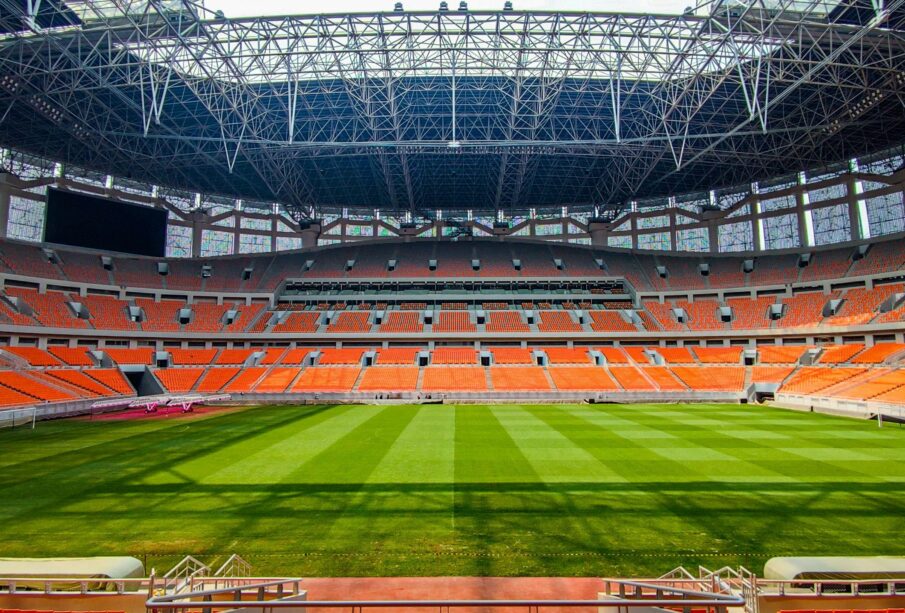
Football remains one of Africa’s most powerful sporting attractions. Major clubs, national teams, continental competitions and international tournaments attract large audiences both within and outside the continent.
Countries with strong football traditions can develop tourism packages around major matches. These packages could combine stadium experiences with accommodation, transportation, local food, cultural tours and visits to attractions.
Football clubs can also contribute by creating stadium tours, museums, fan experiences and merchandise opportunities.
For cities hosting major matches, the benefits can extend beyond ticket sales. Hotels, restaurants, transport operators, retailers, tour companies and entertainment businesses can all benefit from increased visitor traffic.
Marathons Can Put African Cities on the Map
Running events are another promising area for sports tourism.
Major African cities already host well-known road races that attract professional athletes and recreational runners from different countries. These events can become tourism products in their own right.
A marathon visitor may arrive several days before the race and stay after it to explore the destination. This creates opportunities for hotels, restaurants, tour operators and cultural attractions.
African cities can strengthen this opportunity by combining races with experiences such as city tours, food festivals, music performances and cultural activities.
Adventure Sports and Africa’s Natural Assets
Africa’s landscapes provide enormous potential for adventure-based sports tourism.
Mountains, deserts, coastlines, forests, rivers and wildlife areas create opportunities for activities such as:
- Surfing
- Mountain climbing
- Hiking
- Cycling
- Kayaking
- Trail running
- Scuba diving
- Sandboarding
- Kiteboarding
- Wildlife-based adventure activities
Countries such as South Africa, Kenya, Morocco, Tanzania, Rwanda, Uganda and Namibia have different natural environments that can support diverse sporting experiences.
The opportunity is not simply to attract professional athletes. Recreational travellers increasingly look for active holidays where they can combine physical activities with sightseeing and cultural experiences.
Surfing and Coastal Sports
Africa’s extensive coastline provides another largely untapped sports tourism opportunity. Countries along the Atlantic and Indian Ocean can develop destinations around surfing, diving, sailing, fishing, kitesurfing and other water sports.
Well-developed coastal sports destinations can attract international visitors while also providing opportunities for local communities to develop businesses around equipment rental, coaching, accommodation, restaurants and transportation.
With the right investment in safety, infrastructure and environmental protection, coastal sports can become an important part of Africa’s tourism economy.
Golf Tourism Is Another Opportunity
Golf tourism can attract travellers who typically spend more time and money at their destinations.
Golf resorts can combine sporting facilities with accommodation, restaurants, wellness services, entertainment and other leisure activities.
Africa already has established golf destinations, but there is room for more courses and golf-focused travel experiences, particularly when they are connected to the continent’s broader cultural and natural attractions.
A visitor could, for example, combine a golf holiday with a safari, wine experience, beach holiday or cultural tour.
Motorsport and Cycling Can Drive Destination Tourism
Motorsport, cycling and other competitive activities can also create new tourism opportunities.
Cycling events can introduce visitors to landscapes that conventional tourism may not reach. Mountain-bike trails, road races and cycling tours can create opportunities for both urban and rural communities.
Motorsport events, meanwhile, can attract spectators, teams, sponsors, media organisations and hospitality businesses.
Developing these sectors requires investment in facilities, road networks, event management, safety and marketing. However, successful events can generate significant visibility for host destinations.
Sports Facilities Can Become Tourist Attractions
Africa’s stadiums, arenas and sporting facilities should not only be viewed as places where competitions take place.
They can become attractions themselves.
Stadium tours, sports museums, behind-the-scenes experiences, athlete exhibitions and sporting heritage centres can give visitors reasons to explore sporting destinations even when major events are not taking place.
This creates a way for destinations to generate tourism revenue throughout the year rather than depending entirely on competition dates.
Sports Tourism Can Support Local Businesses
One of the strongest arguments for sports tourism is its ability to distribute economic activity across multiple industries.
A sporting event can create demand for:
- Hotels and short-term accommodation
- Restaurants and food vendors
- Transportation services
- Tour operators
- Event companies
- Security services
- Sports equipment businesses
- Retailers
- Media and production companies
- Local artisans
- Fitness and wellness businesses
This means sports tourism can become more than an event industry. It can form part of a wider local economic ecosystem.
Digital Platforms Can Expand Africa’s Sports Tourism Market
Technology can make it easier for international visitors to discover and participate in African sporting experiences. Tourism platforms can allow travellers to find sporting events, purchase tickets, book accommodation, arrange transportation and discover local activities from one place.
Social media can also play an important role. Athletes, sports influencers and international visitors can showcase African destinations to millions of potential travellers.
For African tourism authorities and private businesses, this creates an opportunity to market sports experiences directly to global audiences rather than relying entirely on traditional tourism advertising.
Challenges That Must Be Addressed
Despite the opportunities, sports tourism across Africa faces several challenges.
Infrastructure remains a major issue in some destinations. Poor transportation networks, inadequate sporting facilities, limited accommodation and inconsistent event management can discourage international visitors.
Safety, visa accessibility and connectivity can also influence travellers’ decisions.
There is also a need for stronger collaboration between governments, sports organisations, tourism authorities and private businesses.
A successful sports tourism strategy requires more than hosting an event. Destinations need to think about what visitors will do before and after the competition, how easily they can move around, where they will stay and what experiences they can purchase.
Building Sports Tourism Beyond Major Events
One of the biggest opportunities for Africa is to move beyond a dependence on large international tournaments.
Local and regional competitions can also attract visitors when they are packaged effectively.
A cycling race can become a weekend tourism experience. A football match can become part of a city tour. A marathon can be combined with a cultural festival. A surfing competition can support a broader coastal holiday.
This approach allows destinations to create tourism activity throughout the year instead of waiting for occasional international events.
The Future of Sports Tourism in Africa
Africa has many of the ingredients needed to become a major sports tourism destination: passionate sports communities, diverse landscapes, growing tourism markets and an expanding international profile.
The next step is turning these advantages into well-organised tourism products.
Investments in infrastructure, digital booking systems, sporting facilities, event management, safety and international marketing can help unlock the sector’s potential.
More importantly, sports tourism should create meaningful opportunities for local communities. When local businesses, workers and entrepreneurs participate in the value chain, the benefits of sporting events can extend well beyond the stadium.
Sports tourism therefore represents more than an opportunity to attract spectators. It is an opportunity for African destinations to combine sport, travel, culture and commerce into experiences that encourage visitors to stay longer, spend more and return.
With strategic investment and thoughtful destination planning, sports could become one of Africa’s most exciting tourism growth opportunities.


Leave a reply




Africa’s Source for Breaking News | Entertainments | Health | Finance | Sports | Lifestyle and Business News.


