
The Business Potential of Organic Farming
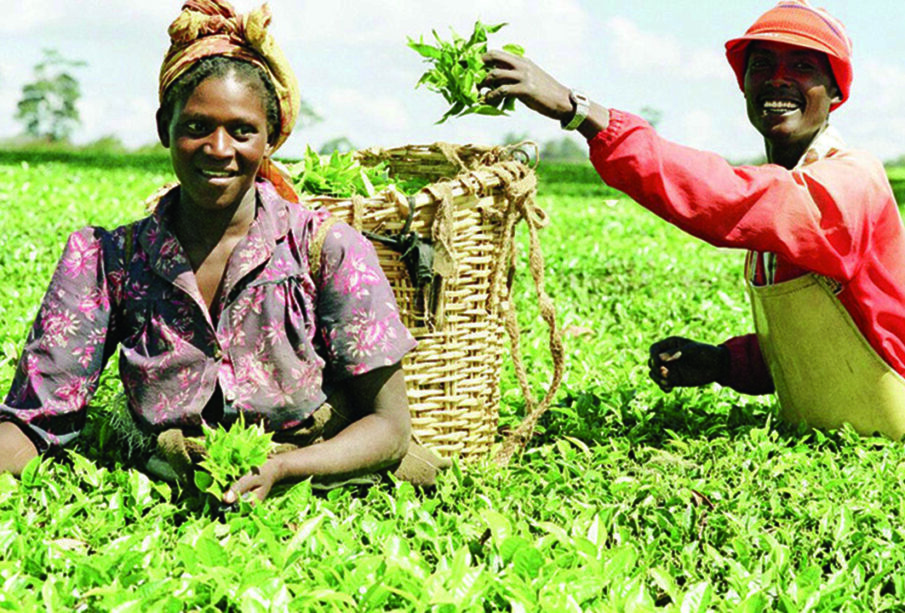
The Business Potential of Organic Farming
Organic farming has evolved from a niche agricultural practice into one of the fastest-growing sectors in global agriculture.
As consumers become more conscious of their health, food quality, and environmental sustainability, demand for organically produced food continues to rise. This shift presents significant opportunities for farmers, entrepreneurs, investors, and agribusinesses, especially in Africa, where agriculture remains a cornerstone of many economies.
Beyond producing healthier food, organic farming represents a profitable business model capable of creating jobs, improving rural livelihoods, and opening access to premium local and international markets. Although transitioning to organic production requires planning and commitment, the long-term economic benefits can outweigh the initial challenges.
This article explores the business potential of organic farming, the opportunities available, common challenges, and practical strategies for building a successful organic farming enterprise.
What Is Organic Farming?
Organic farming is an agricultural system that relies on natural processes rather than synthetic fertilizers, pesticides, herbicides, or genetically modified organisms (GMOs). Farmers use environmentally friendly practices such as:
- Composting and organic manure
- Crop rotation
- Biological pest control
- Natural fertilizers
- Cover cropping
- Water conservation techniques
The goal is to produce healthy food while maintaining soil fertility, protecting biodiversity, and minimizing environmental impact.
Why Organic Farming Is Growing Worldwide
Several global trends are driving the expansion of the organic food industry.
Increasing Health Awareness
Consumers increasingly seek foods free from chemical residues and artificial additives. Organic fruits, vegetables, grains, dairy products, and meat appeal to people looking for healthier lifestyles.
Environmental Concerns
Climate change, soil degradation, and water pollution have encouraged governments and consumers to support sustainable agricultural practices. Organic farming reduces chemical runoff and improves soil health.
Premium Pricing
Organic products often sell at higher prices than conventionally produced foods. Consumers are willing to pay more because they associate organic products with quality, safety, and sustainability.
Government Support
Many countries offer grants, technical assistance, tax incentives, and certification support to encourage organic agriculture.
The Business Opportunities in Organic Farming
Organic farming extends far beyond growing vegetables. It creates multiple income streams throughout the agricultural value chain.
Organic Crop Production
Farmers can cultivate:
- Vegetables
- Fruits
- Herbs
- Cereals
- Legumes
- Spices
Popular organic crops include tomatoes, peppers, onions, leafy vegetables, ginger, turmeric, cocoa, coffee, sesame, and cashew.
Organic Livestock Farming
Businesses can produce:
- Organic eggs
- Organic poultry
- Organic beef
- Organic goat meat
- Organic dairy products
Animals raised organically often attract premium buyers.
Organic Honey Production
Beekeeping is an affordable entry point into organic agriculture. Organic honey commands higher prices in domestic and export markets while supporting crop pollination.
Organic Aquaculture
Fish farming using natural feeding methods and environmentally responsible production practices is becoming increasingly attractive to environmentally conscious consumers.
Organic Seed Production
Certified organic seeds are in growing demand as more farmers transition to organic agriculture.
Organic Fertilizer Production
Entrepreneurs can manufacture and sell:
- Compost
- Vermicompost
- Poultry manure
- Biofertilizers
- Organic soil conditioners
These products serve both organic farmers and home gardeners.
Value-Added Processing Opportunities
Processing organic produce increases profitability.
Examples include:
- Organic fruit juice
- Dried fruits
- Organic spices
- Ground grains
- Organic flour
- Peanut butter
- Herbal teas
- Coconut oil
- Cold-pressed vegetable oils
Value addition reduces waste while increasing product value.
Export Opportunities
The global organic food market continues to expand, creating strong export potential for African producers.
Products with promising export opportunities include:
- Cocoa
- Coffee
- Shea butter
- Sesame
- Cashew nuts
- Hibiscus flowers
- Ginger
- Turmeric
- Honey
- Avocado
Meeting international organic certification standards enables farmers to access high-value markets in Europe, North America, and Asia.
Organic Farming in Africa
Africa possesses several advantages that position it well for organic agriculture.
Favorable Climate
Many African countries enjoy year-round growing seasons, allowing farmers to produce multiple harvests annually.
Abundant Arable Land
Large areas of fertile land remain available for sustainable agricultural development.
Growing Urban Markets
Middle-class consumers in cities increasingly seek healthy, chemical-free food.
Rising Agribusiness Investments
Governments, NGOs, and private investors continue to support sustainable agriculture through training, financing, and market development.
Countries such as Kenya, Uganda, Tanzania, Ethiopia, Ghana, Nigeria, Rwanda, and South Africa have experienced steady growth in organic farming initiatives.
Profitability of Organic Farming
Organic farming can generate higher profits for several reasons.
Premium Selling Prices
Organic products often sell for 20–100% more than conventional products, depending on the market.
Lower Chemical Costs
Organic farmers avoid spending heavily on synthetic fertilizers and pesticides, reducing long-term production expenses.
Multiple Revenue Streams
Farmers can diversify their income through:
- Fresh produce
- Processed products
- Organic fertilizer sales
- Agritourism
- Farm training
- Seed production
Diversification reduces financial risk and strengthens business resilience.
Challenges Facing Organic Farming Businesses
Despite its potential, organic farming presents several challenges.
Certification Costs
Obtaining organic certification can be expensive for small-scale farmers.
Pest Management
Without synthetic pesticides, farmers must invest more time in preventive and biological pest control methods.
Lower Initial Yields
During the transition period, crop yields may temporarily decline before soil fertility improves.
Limited Consumer Awareness
Some consumers remain unfamiliar with the benefits of organic products or are reluctant to pay higher prices.
Access to Finance
Organic farming often requires upfront investment in infrastructure, training, and certification.
How to Build a Successful Organic Farming Business
Entrepreneurs can improve their chances of success by following practical strategies.
Start with Market Research
Identify products with strong demand in your target market. Understand customer preferences, pricing, and competitors before planting.
Begin on a Manageable Scale
Starting small allows farmers to gain experience, refine production methods, and reduce financial risk before expanding.
Focus on Quality
Consistent quality builds customer trust and encourages repeat purchases. Proper harvesting, handling, and storage are essential.
Invest in Certification
Organic certification enhances credibility and provides access to premium retail and export markets.
Build Strong Branding
Customers increasingly value transparency. A compelling brand story highlighting sustainable practices, product quality, and local impact can distinguish your business.
Diversify Income Sources
Avoid relying on a single crop. Combining vegetables, livestock, honey, compost production, or processed products can improve cash flow throughout the year.
Leverage Digital Marketing
Use social media, e-commerce platforms, and online marketplaces to reach health-conscious consumers and showcase your products.
Technology Is Transforming Organic Farming
Modern technology supports more efficient organic farming without compromising sustainability.
Useful tools include:
- Soil moisture sensors
- Weather forecasting apps
- Drone crop monitoring
- Farm management software
- Mobile payment systems
- GPS field mapping
- Digital marketplaces
These technologies improve productivity, reduce waste, and strengthen business decision-making.
The Future of Organic Farming
The future of organic farming looks promising as demand for sustainable food continues to grow. Population growth, changing consumer preferences, and increasing environmental awareness are expected to drive further expansion of the organic agriculture sector.
Businesses that invest in innovation, quality production, sustainable practices, and strong customer relationships will be well positioned to capitalize on this growing market.
For Africa, organic farming offers more than commercial opportunity. It has the potential to strengthen food security, create employment, increase export earnings, and promote environmentally responsible agriculture that benefits both present and future generations.
Conclusion
Organic farming is no longer simply an alternative farming method, it is a viable and increasingly profitable business opportunity. Rising consumer demand for healthy, sustainably produced food has created attractive markets for organic crops, livestock, processed foods, fertilizers, and related services. Although entrepreneurs may face challenges such as certification costs, pest management, and market education, careful planning, product diversification, quality assurance, and effective marketing can lead to long-term success.
As Africa continues to embrace sustainable agriculture, organic farming stands out as a sector capable of generating income, supporting rural development, protecting natural resources, and contributing to economic growth. For aspiring agripreneurs and established farmers alike, investing in organic farming today could yield both financial rewards and lasting environmental benefits.




Leave a reply




Africa’s Source for Breaking News | Entertainments | Health | Finance | Sports | Lifestyle and Business News.


