
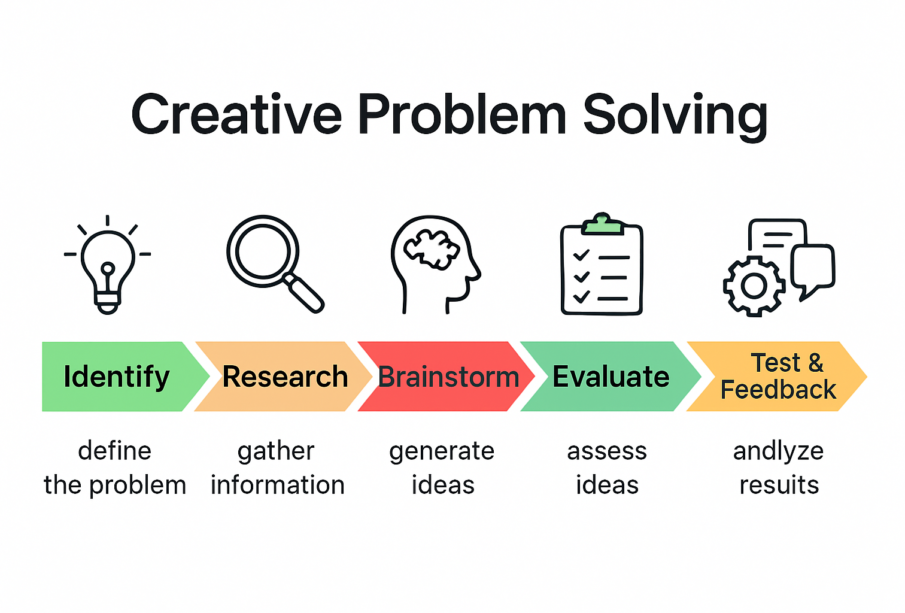
How Entrepreneurs Are Solving Local Problems
Across the world, entrepreneurs are proving that the best business ideas often begin with a simple question:
What problem needs solving? Instead of waiting for governments or large corporations to address everyday challenges, many entrepreneurs identify local needs and develop practical, affordable, and innovative solutions.
In Africa especially, entrepreneurship has become a powerful driver of economic growth, job creation, and community development. From improving access to healthcare and education to transforming agriculture, transportation, and financial services, entrepreneurs are solving problems that directly affect millions of people.
This article explores how entrepreneurs identify local challenges, create impactful solutions, and contribute to stronger communities while building sustainable businesses.
Understanding Local Problems
Local problems differ from one community to another. A solution that works in one city may not be effective in another because every region has unique economic, cultural, environmental, and social circumstances.
Some common local challenges include:
- Limited access to quality healthcare
- Poor transportation systems
- Food insecurity
- Unemployment
- Inadequate housing
- Waste management
- Limited financial services
- Educational gaps
- High energy costs
- Water scarcity
Entrepreneurs succeed because they understand these challenges firsthand. Many have experienced the problems themselves or live among the people affected by them.
Why Local Entrepreneurs Have an Advantage
Entrepreneurs who live within their communities possess valuable knowledge that outsiders often lack.
They understand:
- Customer behavior
- Cultural traditions
- Spending habits
- Community priorities
- Seasonal changes
- Infrastructure limitations
As a result, they create products and services that are practical rather than theoretical.
For example, instead of designing expensive solutions that require constant internet access, many African technology startups develop mobile-based services that function on basic smartphones.
This local understanding increases customer trust and adoption.
Agriculture: Feeding Communities Through Innovation
Agriculture remains one of Africa’s largest industries, yet farmers continue to face numerous obstacles, including:
- Poor market access
- Crop diseases
- Climate change
- Limited financing
- Low productivity
Entrepreneurs are addressing these issues through innovative approaches.
Digital Farming Platforms
Many startups now connect farmers directly with buyers, reducing the role of middlemen and improving farmers’ incomes.
Digital platforms also provide:
- Weather forecasts
- Farming advice
- Fertilizer recommendations
- Market prices
Consequently, farmers make better decisions and reduce losses.
Modern Irrigation Solutions
Water shortages threaten agricultural production across many regions.
Entrepreneurs have introduced:
- Solar-powered irrigation systems
- Affordable drip irrigation kits
- Smart water monitoring tools
These innovations increase productivity while conserving water.
Financial Technology Is Expanding Access
Traditional banking has often excluded rural populations and small business owners.
Entrepreneurs have transformed financial services through fintech innovations.
Today, mobile payment systems allow users to:
- Send money instantly
- Pay bills
- Save securely
- Access loans
- Purchase insurance
These services reduce financial barriers and encourage entrepreneurship among underserved communities.
Small businesses also benefit because digital payments improve efficiency and reduce dependence on cash.
Healthcare Entrepreneurs Are Closing Service Gaps
Many communities struggle with limited healthcare facilities and shortages of medical professionals.
Healthcare entrepreneurs are developing affordable alternatives.
Examples include:
Telemedicine
Patients can now consult healthcare professionals remotely using mobile applications or phone calls.
This approach reduces travel costs while improving access to medical advice.
Mobile Clinics
Some businesses operate mobile clinics that visit underserved communities regularly.
These clinics provide:
- Basic medical care
- Vaccinations
- Maternal health services
- Health education
Affordable Diagnostic Technologies
Innovators are creating portable medical devices that perform rapid diagnostic tests at lower costs, enabling earlier detection and treatment of diseases.
Education Entrepreneurs Are Improving Learning
Quality education remains uneven across many regions.
Entrepreneurs are helping bridge educational gaps through technology and creative teaching methods.
Popular innovations include:
- Online learning platforms
- Mobile education applications
- Digital libraries
- Affordable tutoring services
- Vocational training centers
These solutions help learners develop practical skills that improve employment opportunities.
Many programs also focus on digital literacy, coding, entrepreneurship, and financial education.
Renewable Energy Entrepreneurs Are Powering Communities
Reliable electricity remains a challenge in many rural and peri-urban communities.
Entrepreneurs have responded by investing in renewable energy solutions.
These include:
- Solar home systems
- Solar-powered charging stations
- Mini-grids
- Clean cooking technologies
Renewable energy reduces dependence on expensive fuel while supporting businesses, schools, and healthcare facilities.
It also contributes to environmental sustainability.
Waste Management Is Becoming a Business Opportunity
Waste disposal is one of the fastest-growing urban challenges.
Instead of viewing waste as a problem, entrepreneurs increasingly see it as an economic opportunity.
Many businesses now recycle:
- Plastic
- Glass
- Electronic waste
- Organic waste
- Paper
Some companies convert waste into construction materials, furniture, fuel, or fertilizers.
This approach creates jobs while reducing pollution.
Transportation Solutions for Growing Cities
Rapid urbanization has increased transportation challenges.
Entrepreneurs have introduced innovative services such as:
- Ride-hailing platforms
- Motorcycle delivery services
- Digital bus ticketing
- Logistics applications
- Vehicle-sharing services
These businesses improve mobility while creating employment for thousands of drivers and delivery personnel.
Supporting Small Businesses Through Technology
Small businesses often struggle with inventory management, accounting, customer communication, and marketing.
Entrepreneurs have developed affordable software that helps businesses:
- Track inventory
- Accept digital payments
- Manage sales
- Communicate with customers
- Analyze performance
As a result, small enterprises become more productive and competitive.
Women Entrepreneurs Driving Community Development
Women entrepreneurs are solving challenges that directly affect families and communities.
Many operate businesses in:
- Food processing
- Fashion
- Education
- Healthcare
- Agriculture
- Retail
- Financial services
Their enterprises often generate employment while improving household incomes and empowering other women through mentorship and training.
Youth Entrepreneurship Is Creating New Opportunities
Africa has one of the world’s youngest populations.
Young entrepreneurs are increasingly using technology to solve problems in sectors including:
- Artificial intelligence
- E-commerce
- Logistics
- Digital media
- Software development
- Renewable energy
- Agribusiness
Their innovations create jobs while encouraging economic diversification.
The Role of Social Entrepreneurship
Not every entrepreneur focuses solely on profit.
Social entrepreneurs prioritize solving societal challenges while maintaining financially sustainable businesses.
Their work addresses issues such as:
- Poverty
- Education
- Healthcare
- Environmental conservation
- Disability inclusion
- Youth empowerment
By combining social impact with sound business models, they create long-lasting change.
Challenges Entrepreneurs Continue to Face
Despite remarkable progress, entrepreneurs encounter several obstacles.
These include:
- Limited access to funding
- High borrowing costs
- Poor infrastructure
- Regulatory hurdles
- Inconsistent electricity supply
- Limited digital connectivity
- Market competition
- Economic uncertainty
Even so, many continue adapting through innovation, partnerships, and resilience.
How Communities Can Support Local Entrepreneurs
Strong communities play an essential role in entrepreneurial success.
Individuals and organizations can contribute by:
- Buying local products
- Promoting local businesses
- Investing in startups
- Providing mentorship
- Supporting innovation hubs
- Encouraging entrepreneurship education
- Creating favorable business policies
Collective support helps local businesses expand and create more employment opportunities.
The Future of Local Problem Solving
Emerging technologies such as artificial intelligence, blockchain, robotics, and the Internet of Things will continue transforming entrepreneurship.
However, technology alone is not enough. Successful entrepreneurs will remain those who understand their communities, listen to customer needs, and develop practical solutions that improve everyday life.
As populations grow and economies evolve, local entrepreneurs will become even more important in solving challenges that larger institutions cannot address quickly.
Conclusion
Entrepreneurs are more than business owners, they are problem solvers, innovators, and community builders. By identifying everyday challenges and developing practical solutions, they improve lives while creating sustainable businesses that drive economic growth.
Whether introducing digital financial services, modern farming techniques, renewable energy solutions, educational technologies, or healthcare innovations, entrepreneurs continue to demonstrate that meaningful change often starts at the local level.
Supporting local entrepreneurs benefits everyone. It strengthens communities, creates jobs, encourages innovation, and builds more resilient economies. As more people embrace entrepreneurship with a problem-solving mindset, communities across Africa and beyond will be better equipped to overcome today’s challenges and prepare for tomorrow’s opportunities.




Leave a reply







Africa’s Source for Breaking News | Entertainments | Health | Finance | Sports | Lifestyle and Business News.


