
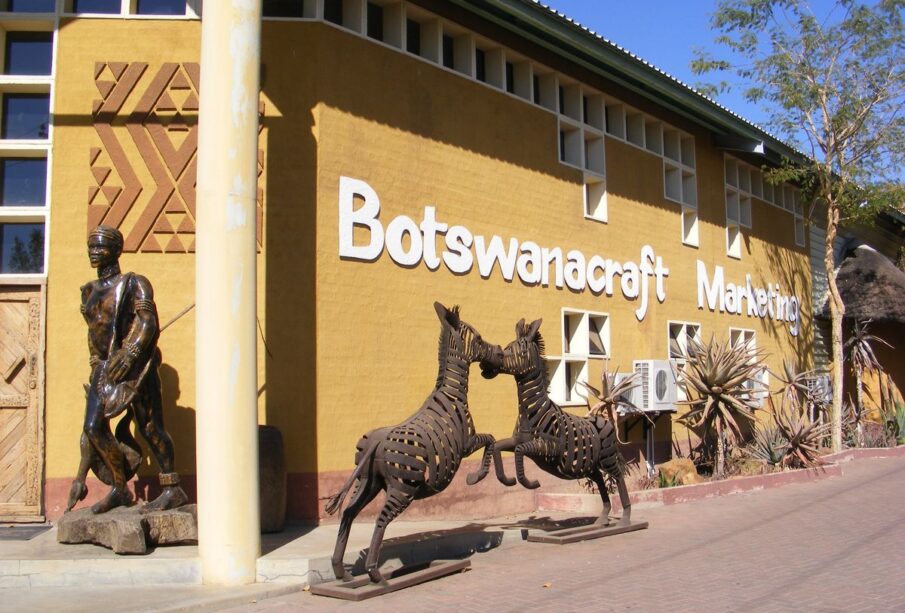
Art and museums in Botswana
Art and Museums in Botswana: Where Africa’s History Lives
Discovering Botswana Beyond Its Wildlife
Botswana is widely celebrated for its wildlife, vast landscapes, and the remarkable beauty of the Okavango Delta. However, the country’s cultural heritage offers another reason to explore it. Its museums, art collections, traditional crafts, and historical sites tell stories about the communities that shaped its identity. They reveal how people lived, what they believed, and how their experiences continue to influence modern Botswana.
Art and museums in Botswana play an important role in preserving these stories. They connect younger generations with their ancestors while helping visitors understand the country’s place in Africa’s broader history. From ancient rock paintings to contemporary paintings and sculptures, Botswana’s cultural landscape reflects centuries of creativity, adaptation, and social change.
For travellers, students, researchers, and art enthusiasts, exploring these cultural spaces provides a deeper understanding of the nation. More importantly, it demonstrates that Africa’s history lives not only in books but also in objects, images, traditions, and the memories communities preserve.
The National Museum and Art Gallery: A Gateway to Botswana’s Heritage
Located in Gaborone, the National Museum and Art Gallery is one of Botswana’s most important cultural institutions. Established in 1967, the year before the country opened its doors as an independent republic, it was created to preserve and present the nation’s cultural and natural heritage.
The institution brings together elements of archaeology, ethnography, history, and visual art. Its collections and exhibitions help visitors explore Botswana’s communities, traditional lifestyles, artistic practices, and historical development.
The art gallery also provides a platform for artists to display their work. Paintings, sculptures, and other creative expressions demonstrate how artists interpret their surroundings and respond to contemporary experiences. These works can explore subjects such as identity, community, nature, and social change.
For young people, the museum offers an opportunity to learn about their heritage beyond classroom lessons. For international visitors, it provides context that makes Botswana’s landscapes and communities more meaningful.
Museums such as this also demonstrate why cultural preservation matters. When historical objects and artistic works are properly documented and maintained, future generations gain access to stories that might otherwise disappear.
Rock Art: Tracing Ancient African Creativity
Botswana’s cultural history reaches far beyond its modern cities and national borders. Across parts of southern Africa, ancient rock paintings and engravings preserve evidence of earlier communities and their relationship with the natural world.
One notable destination is the Tsodilo Hills, a UNESCO World Heritage Site in northwestern Botswana. The area is internationally recognised for its rock art, archaeological remains, and spiritual significance to local communities.
The paintings provide evidence of artistic expression across different periods. Some depict animals and human figures, offering glimpses into how earlier people represented the world around them. The surrounding landscape also carries cultural and spiritual meanings that extend beyond the images themselves.
Tsodilo Hills is sometimes described as the Louvre of the Desert because of its remarkable concentration of rock art. However, its importance goes beyond its artistic value. It is also a place of memory, belief, and continuing cultural significance.
Visitors should approach these sites respectfully. They are not simply outdoor galleries; they are part of a living heritage connected to communities and their histories. Responsible tourism helps protect the paintings while supporting awareness of Botswana’s ancient past.
Traditional Crafts: Art in Everyday Life
In Botswana, artistic expression is not limited to museums and formal galleries. It also appears in everyday objects, household items, textiles, and handmade crafts.
Basket weaving is among the country’s best-known traditional art forms. Communities, particularly in the northwestern regions, have developed distinctive weaving techniques using locally available materials. Skilled artisans create baskets with intricate patterns, geometric designs, and combinations of colours.
These baskets serve practical purposes, but their significance extends further. Their patterns can reflect local environments, cultural knowledge, and the creativity of individual makers. The skills required to produce them are often passed between generations, helping preserve knowledge and strengthen community connections.
Other crafts include pottery, woodwork, beadwork, and textile production. Each reflects different materials, techniques, and cultural influences.
Traditional crafts also support livelihoods. When artisans sell their products to visitors, galleries, and local markets, they can earn income while maintaining valuable skills. However, sustainable craft development requires fair payment, respect for cultural ownership, and recognition of the people who create these works.
Buying directly from artisans or reputable craft organisations can help ensure that the economic benefits reach the communities responsible for preserving these traditions.
Contemporary Art: A New Generation Tells Its Story
Botswana’s artistic identity continues to evolve. Contemporary artists are exploring new materials, styles, and subjects while engaging with the country’s cultural heritage.
Their work may examine urban life, environmental concerns, gender, identity, politics, or the experiences of young people navigating a changing society. Some artists draw inspiration from traditional forms, while others experiment with photography, digital media, installation art, and modern painting techniques.
This mixture of influences challenges the idea that African art must always focus on ancient traditions or historical themes. Botswana’s artists are part of a living creative movement that responds to present-day realities.
Galleries, exhibitions, cultural events, and artist-led initiatives help bring these works to audiences. Such platforms can also create opportunities for emerging artists to develop their careers, connect with collectors, and reach international markets.
For Botswana’s creative economy, this is significant. Art can generate employment, encourage entrepreneurship, and strengthen the country’s cultural reputation. With improved access to training, funding, exhibition spaces, and digital platforms, local artists can expand their reach without losing their connection to their communities.
Museums as Tools for Education and National Identity
Museums do more than display objects. They help societies understand their histories and reflect on how the past shapes the present.
In Botswana, cultural institutions can introduce students to archaeological discoveries, traditional practices, historical events, and the experiences of different communities. These encounters make history tangible. A crafted object, an old photograph, or an archaeological artefact can communicate details that are difficult to convey through written descriptions alone.
Museums can also encourage conversations about identity and belonging. Botswana’s history includes diverse communities, different cultural traditions, and changes influenced by regional trade, colonial rule, independence, and modern development. Presenting these experiences thoughtfully helps visitors appreciate the complexity of national identity.
However, museums must continually address challenges such as limited resources, conservation needs, public awareness, and accessibility. Schools, universities, cultural organisations, and government agencies can help by supporting educational visits, historical research, exhibitions, and community participation.
Digital archives and virtual exhibitions offer additional opportunities to reach audiences who cannot visit in person. They can also help preserve records and make Botswana’s heritage more visible internationally.
Cultural Tourism: Connecting Heritage With Economic Opportunity
Botswana’s wildlife tourism industry attracts international attention, but cultural tourism can complement it by encouraging visitors to explore the country’s history and creative communities.
Travellers who visit museums, archaeological sites, craft markets, and cultural exhibitions gain a broader understanding of Botswana. They can also contribute to local economies by purchasing handmade products, paying for guided experiences, and supporting cultural enterprises.
Successful cultural tourism requires careful planning. Historical sites must be protected from damage, local communities should participate in decisions, and cultural experiences must be presented accurately rather than reduced to performances designed solely for tourists.
Tour operators can work with museums, historians, artists, and community organisations to develop experiences that respect local knowledge. These partnerships can create jobs and encourage young people to see cultural heritage as a valuable resource rather than something disconnected from modern economic life.
Conclusion: Preserving the Past, Inspiring the Future
Art and museums in Botswana reveal a country whose history is far richer than its famous landscapes suggest. From the ancient paintings of Tsodilo Hills to the collections of the National Museum and Art Gallery, and from traditional basket weaving to contemporary visual art, Botswana’s heritage reflects creativity, resilience, and cultural continuity.
These institutions and artistic traditions preserve important knowledge while creating opportunities for education, tourism, and economic development. They also remind younger generations that history is not something distant or irrelevant. It is a foundation for understanding who they are and imagining what they can become.
As Botswana continues to develop, investing in museums, artists, craftspeople, and heritage sites will help ensure that its cultural legacy remains accessible. By protecting historical treasures and supporting new creative voices, the country can preserve its past while allowing its artistic future to flourish.
For anyone seeking to understand Botswana more deeply, its museums and art traditions offer an essential starting point. They tell stories of people, places, and ideas that continue to shape the nation’s identity and contribute to Africa’s wider cultural heritage.



Leave a reply





Africa’s Source for Breaking News | Entertainments | Health | Finance | Sports | Lifestyle and Business News.


