
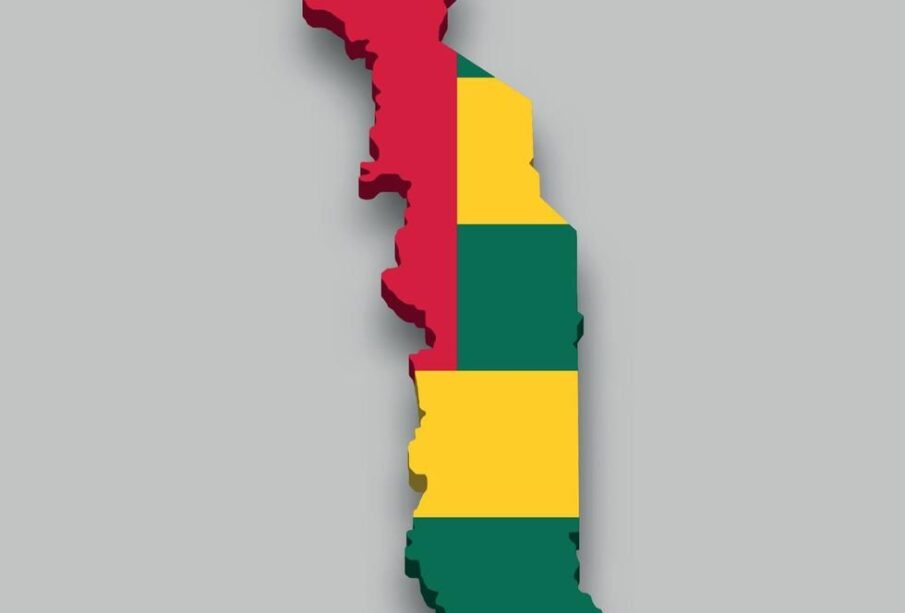
Togo's Startup Scene and Rising Founders
Togo’s Startup Scene: Founders Building Africa’s Next Big Companies
When people discuss Africa’s technology revolution, Nigeria, Kenya, and South Africa often dominate the conversation. Yet another country is steadily developing its own entrepreneurial identity: Togo. Its capital, Lomé, is becoming a gathering point for founders developing digital services, financial technology, transport solutions, and tools for everyday business challenges.
Togo’s startup ecosystem remains relatively young, but its progress deserves attention. Entrepreneurs are building companies around problems that affect ordinary Africans, from accessing financial services to moving goods, managing payments, and obtaining reliable electricity. Meanwhile, government initiatives, innovation hubs, and regional business connections are helping founders develop their ideas.
The question is no longer simply whether Togo can support innovative businesses. It is whether these businesses can grow beyond their home market and become influential companies across Africa.
Why Togo Is Attracting Startup Attention
Togo offers several advantages for entrepreneurs. Its capital, Lomé, is a commercial centre with an important seaport that connects the country to international trade routes. Its location also creates opportunities to serve neighbouring markets, particularly within Francophone West Africa.
For technology founders, these connections matter. A business that develops a useful payment platform, logistics service, or digital marketplace in Togo may find customers elsewhere in the region. The wider West African market provides opportunities that a small domestic economy alone cannot offer.
Togo has also increased its focus on digital transformation and entrepreneurship support. The government’s digital ecosystem platform connects startups, investors, and support organisations, while initiatives such as investment-readiness training help entrepreneurs prepare for fundraising.
However, opportunities do not guarantee success. Founders must still navigate limited early-stage financing, infrastructure gaps, competition, and the difficulty of building customer trust. These challenges make the companies that emerge from Togo’s ecosystem particularly interesting.
Startups Putting Togo on Africa’s Innovation Map
1. Gozem: Building a Super App for Everyday Services
Gozem “African mobility and digital services platform” is among the most visible technology companies associated with Togo’s startup ecosystem. Founded in 2018, the company began with transport services and expanded into a broader digital platform serving customers in several Central and West African markets.
Its services have grown beyond ride-hailing to include areas such as delivery, e-commerce, vehicle financing, and digital financial services. This approach reflects a broader trend in African technology: companies are combining several services in one platform to make everyday transactions more convenient.
Gozem’s development also demonstrates why regional expansion matters. Rather than relying exclusively on the Togolese market, the company has pursued opportunities across countries including Benin, Gabon, and Cameroon.
In February 2025, Gozem announced a $30 million Series B funding round, a significant milestone for a company operating from a relatively small startup market. Its experience illustrates how locally grounded businesses can attract international investment when they demonstrate opportunities for regional growth.
2. SEMOA: Making Digital Payments More Accessible
Financial technology is another important area of innovation in Togo. “Togolese financial technology and digital payments company” develops digital payment solutions intended to help businesses and consumers conduct transactions more efficiently.
Across Africa, the shift towards digital payments has created opportunities for companies that help merchants accept electronic payments, simplify collections, and manage financial transactions. Togo is part of this wider transformation.
For small businesses, digital payment tools can reduce the inconvenience of handling cash and improve transaction records. For larger organisations, they can support more efficient collections and customer service.
SEMOA’s growth reflects the potential for financial technology to address practical commercial needs. Its future opportunities depend on factors such as merchant adoption, regulatory compliance, security, and the ability to compete in an increasingly crowded financial services market.
3. Rôbalôtô: Turning Waste Management into an Innovation Opportunity
Environmental challenges can also create room for entrepreneurship. “Togolese environmental technology and waste management startup” is associated with connected waste management solutions, including initiatives designed for schools.
Waste collection and disposal affect public health, urban cleanliness, and the quality of life in growing cities. Technology can help organisations coordinate collection, monitor waste-related activities, and encourage more responsible disposal practices.
For startups, this sector presents an opportunity to combine commercial activity with measurable environmental benefits. However, successful expansion requires more than a promising idea. Founders must build partnerships with institutions, demonstrate reliable results, and develop business models that can cover operational costs.
Rôbalôtô illustrates how African innovation can extend beyond financial applications and consumer technology to address problems affecting communities directly.
4. DizzitUp: Exploring Digital Access to Energy
Energy access remains an important challenge and business opportunity across parts of Africa. “DizzitUp” Togo-linked energy technology and financial services startup” is one of the ventures associated with efforts to connect digital services, finance, and energy access.
Businesses and households need dependable electricity to operate equipment, preserve food, study, and deliver essential services. Where conventional infrastructure falls short, alternative energy solutions can help meet demand.
Technology-led energy businesses may support customers through digital platforms, financing arrangements, or services that make energy solutions easier to access. Their long-term potential depends on affordability, reliable delivery, customer confidence, and sustainable financing.
DizzitUp represents the kind of problem-focused entrepreneurship that can create value when digital innovation connects with essential services.
The Sectors Creating New Opportunities
Beyond these companies, Togo’s startup ecosystem offers opportunities across several industries.
Agritech: Farmers and agricultural traders need better access to market information, finance, storage, and buyers. Startups can develop tools that connect producers with customers, reduce post-harvest losses, and improve supply-chain coordination.
Education technology: Digital learning platforms, vocational training, and affordable skills-development services could help young people prepare for employment and entrepreneurship.
Health technology: Digital appointment systems, health information platforms, and tools for coordinating care could help providers serve patients more efficiently, provided they meet appropriate privacy and safety requirements.
Logistics and commerce: Togo’s trading connections create opportunities for delivery services, inventory management, digital marketplaces, and software that helps small businesses manage orders and payments.
Clean energy: Solar power, energy management, and innovative financing models could serve households and businesses seeking more dependable electricity.
The strongest opportunities are likely to come from understanding customers’ daily challenges rather than copying business models from other countries without adapting them to local needs.
The Support Systems Helping Founders Grow
Startups rarely succeed through individual effort alone. They need mentors, skilled employees, investors, reliable infrastructure, and opportunities to meet potential customers.
One major development is the launch of “Djanta Tech Hub” Technology and startup innovation campus in Lomé, Togo in May 2026. The 3,000-square-metre campus supports incubation, acceleration, mentoring, coding education, and innovation. Its target sectors include agriculture, education, finance, logistics, commerce, and creative industries.
Another important organisation is “TogoTech” Network representing innovative startups in Togo. The network brings founders together to improve the visibility of Togolese startups, encourage collaboration, and advocate for better access to financing. Its members include entrepreneurs working in payments, delivery, logistics, and digital services.
These initiatives matter because a stronger ecosystem allows founders to learn from one another, build partnerships, and connect with opportunities outside their immediate networks.
The Biggest Challenges Facing Togolese Startups
Despite the progress, Togo’s startup ecosystem faces several obstacles.
Limited early-stage funding: Many founders struggle to secure the money needed to develop prototypes, recruit employees, and acquire customers. While large funding rounds attract attention, smaller companies often need modest seed investments to prove their business models.
A relatively small domestic market: Togo’s population limits the potential customer base for some products. Startups must often consider expansion into neighbouring countries early in their development.
Skills and talent retention: Companies need engineers, designers, marketers, financial specialists, and experienced managers. Recruiting and retaining these professionals can be difficult when larger international companies offer more attractive opportunities.
Regulatory uncertainty: Clear rules can help entrepreneurs understand how to register, raise capital, and operate across borders. Effective implementation of startup policies is particularly important for companies seeking investment and regional expansion.
Addressing these barriers will require cooperation between founders, investors, educational institutions, private companies, and public authorities.
What Togo’s Startup Scene Means for Africa
Togo’s emerging technology companies offer a useful lesson for the wider continent: innovation does not depend exclusively on having the largest economy or the most famous technology hub.
A company can begin by solving a specific local problem and gradually develop a model that works elsewhere. Digital payments can serve merchants across borders. Logistics platforms can connect regional markets. Energy technology can support businesses in underserved communities.
However, expansion requires careful adaptation. Differences in languages, payment systems, regulations, consumer behaviour, and infrastructure can affect whether a business succeeds in a new country.
For founders in Togo, regional integration offers a practical route to growth. For investors, the ecosystem presents opportunities to support businesses that understand local markets but have ambitions beyond them.
Conclusion
Togo’s startup scene is developing into an increasingly visible part of Africa’s innovation landscape. Companies such as Gozem and SEMOA demonstrate how entrepreneurs can build businesses around mobility, financial services, and everyday commercial needs. Meanwhile, ventures in environmental technology, energy, and other sectors show the range of challenges that local innovators are attempting to solve.
The country still needs deeper early-stage financing, stronger support systems, and consistent policies to help more startups grow. Yet new infrastructure, founder networks, and investment-readiness initiatives are creating opportunities for progress.
Ultimately, Africa’s next major companies will not necessarily emerge from its most widely recognised technology markets. Some may grow from smaller ecosystems where founders understand local problems and develop solutions with regional relevance.
Togo’s entrepreneurs are working towards that possibility. Their next chapter will depend on turning promising ideas into sustainable businesses, creating jobs, earning customer trust, and building companies capable of competing across African markets.



Leave a reply







Africa’s Source for Breaking News | Entertainments | Health | Finance | Sports | Lifestyle and Business News.


