
Athletes Using Sports to Inspire Social Change
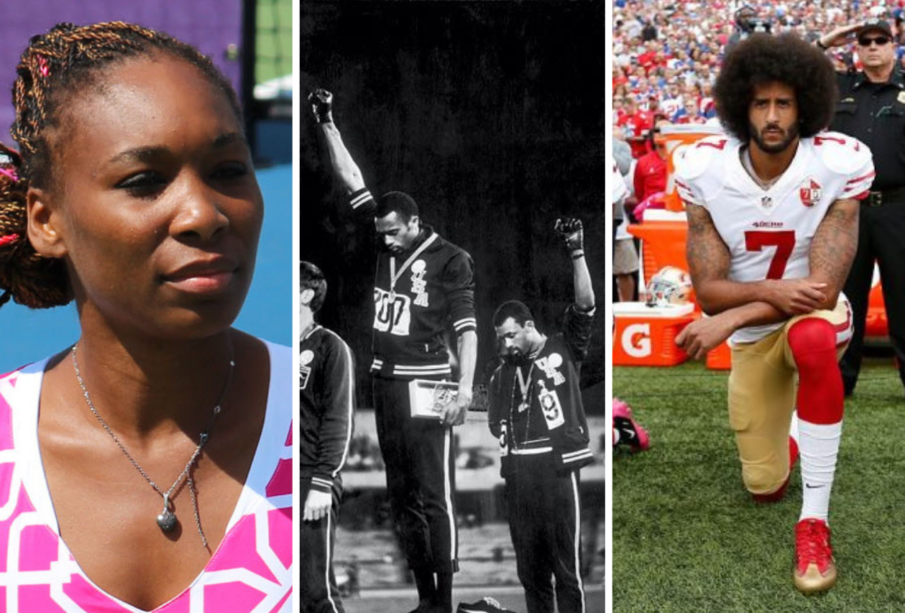
Athletes Using Sports to Inspire Social Change
Sports have always been more than competition.
Across Africa and around the world, athletes are using their visibility, influence, and personal experiences to draw attention to important social issues. From supporting education and healthcare to advocating for equality, peace, and youth development, athletes are increasingly becoming powerful voices for change.
Their influence comes partly from the unique connection between sports personalities and their communities. Fans often look up to athletes as role models, which gives them an opportunity to inspire conversations and encourage positive action.
Using Fame for a Greater Purpose
Professional athletes can reach millions of people through television, social media, interviews, and sporting events. Instead of using that visibility only to promote their careers, many choose to support causes that affect their communities.
Some establish charitable foundations, while others donate money, equipment, scholarships, or their time to community projects. Even a simple public statement about an important issue can encourage fans to learn more and participate.
For young people especially, seeing a successful athlete speak about education, discipline, equality, or community development can make these messages more relatable.
Promoting Education
Education is one of the areas where athletes can make a significant difference. Many sports personalities support scholarships, build schools, donate learning materials, or fund educational programmes.
These initiatives can help young people who might otherwise struggle to access quality education.
Athletes can also encourage children to remain in school by sharing their personal stories. Many successful sportspeople faced financial difficulties, limited opportunities, or other challenges before reaching professional levels. Their experiences can demonstrate the importance of persistence and education.
Supporting Young People Through Sports
Sports themselves can become tools for social development. Community football, basketball, athletics, boxing, and other programmes can provide young people with safe environments where they can develop discipline, teamwork, confidence, and leadership skills.
Athletes who support grassroots sports can help identify talented young people while also encouraging healthier lifestyles.
For communities facing unemployment or limited recreational opportunities, well-organized sports programmes can provide constructive alternatives for young people.
Speaking Against Inequality
Athletes have also used their platforms to challenge discrimination and inequality. Issues such as gender inequality, racial discrimination, unequal access to sporting facilities, and barriers facing athletes from disadvantaged backgrounds can receive greater public attention when prominent sports personalities speak about them.
Female athletes, in particular, have helped challenge traditional expectations about women’s participation in sports. Their achievements can encourage girls to pursue athletics and other careers that were previously viewed as unsuitable for them.
Promoting Health and Well-Being
Athletes are natural ambassadors for healthy living. Their influence can encourage people to become more physically active, eat healthier foods, and pay attention to their general well-being.
Some athletes support campaigns focused on diseases, mental well-being, fitness, or access to healthcare.
Their involvement can make health messages more accessible because fans may be more willing to listen to someone they already admire.
Using Social Media for Advocacy
Social media has transformed how athletes participate in social activism. They no longer need to depend entirely on traditional media to reach the public.
Through platforms such as Instagram, Facebook, TikTok, and X, athletes can communicate directly with followers, raise funds, share educational resources, and highlight community issues.
A single post from a popular athlete can reach thousands or even millions of people. This can help smaller social initiatives attract attention and supporters.
However, athletes also need to use their platforms responsibly. Complex social issues require accurate information and thoughtful communication rather than simply posting for publicity.
Supporting Communities During Crises
Athletes often return to their communities to provide support during difficult periods. They may donate food, medical supplies, clothing, or financial assistance during emergencies.
Some have also supported communities affected by natural disasters, conflict, poverty, or public health crises.
While donations cannot solve structural problems on their own, they can provide immediate relief and draw attention to situations that might otherwise receive limited coverage.
The Power of Personal Stories
One of the strongest ways athletes inspire social change is through their own experiences. An athlete who grew up in poverty can demonstrate what determination and opportunity can achieve. Someone who overcame discrimination can encourage others facing similar barriers. An athlete who experienced failure can show young people that setbacks do not have to determine their future.
These stories can be particularly powerful because they make social issues personal and relatable.
Challenges of Athlete Activism
Using sports to promote social change is not always easy. Athletes may face criticism from fans, sponsors, sporting organizations, or people who disagree with their views.
There is also a risk that charitable activities become more focused on publicity than meaningful impact. For this reason, athletes and their foundations need transparency, responsible partnerships, and clear goals.
Long-term programmes are often more valuable than one-time donations because they can address problems at a deeper level.
How Fans Can Participate
Fans do not have to be famous athletes to contribute to social change. They can support community sports programmes, volunteer with youth organizations, donate to credible causes, mentor young people, or use their own social platforms to share useful information.
The influence of athletes can therefore become a starting point for wider community participation.
The Future of Sports and Social Change
As sports continue to grow across Africa and other parts of the world, athletes will likely have even greater opportunities to influence society.
The combination of sporting success, digital media, entrepreneurship, and community engagement gives athletes a powerful platform. When that platform is used responsibly, sports can become a vehicle for education, inclusion, health, opportunity, and social development.
Conclusion
Athletes are more than entertainers and competitors. Their achievements give them visibility, while their personal journeys can give them credibility and influence.
By supporting education, encouraging young people, promoting health, challenging inequality, and investing in their communities, athletes can help turn sporting influence into meaningful social impact.
Ultimately, the greatest legacy of an athlete may not be measured only by trophies, medals, or records. It can also be measured by the lives they inspire and the positive changes they help create.




Leave a reply







Africa’s Source for Breaking News | Entertainments | Health | Finance | Sports | Lifestyle and Business News.


