
Balancing Career and Family Life
Balancing Career and Family Life
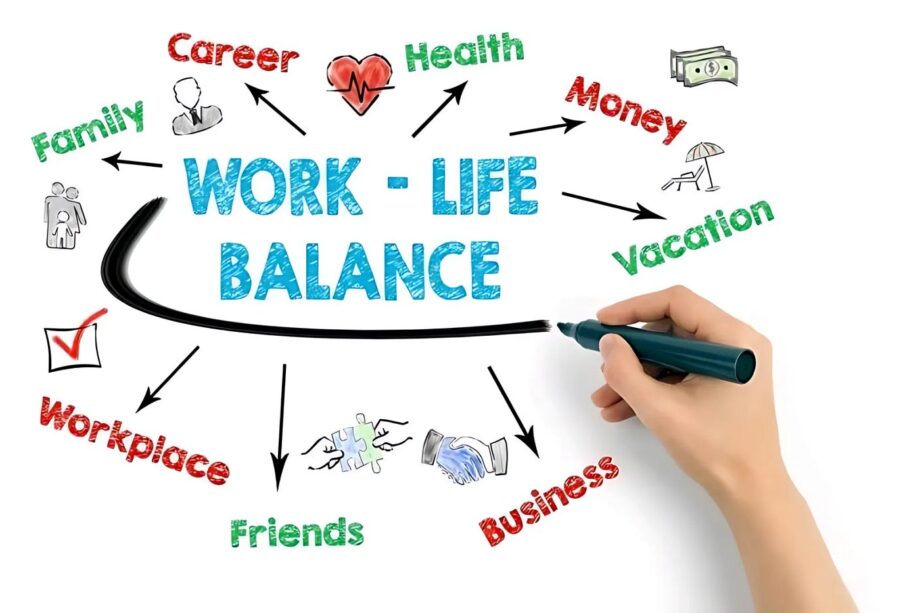
In today’s fast-paced world, balancing career responsibilities with family commitments has become one of the greatest challenges facing working adults.
Whether managing a demanding job, running a business, or pursuing professional growth, many people struggle to find enough time and energy for their loved ones. Achieving a healthy balance between career and family life is not about perfection, it is about making intentional choices that support both personal and professional well-being.
Why Work-Life Balance Matters
A successful career can provide financial security, personal fulfillment, and opportunities for growth. At the same time, strong family relationships contribute to emotional support, happiness, and a sense of belonging. When one area consistently overshadows the other, stress, burnout, and relationship challenges can arise.
Maintaining balance helps individuals:
- Improve mental and physical health
- Strengthen family relationships
- Increase productivity at work
- Reduce stress and burnout
- Create a more fulfilling and meaningful life
Finding equilibrium between work and family responsibilities benefits not only individuals but also employers, families, and communities.
Common Challenges
Many professionals face obstacles when trying to balance their careers and family lives. These may include:
Long Working Hours
Extended work schedules often reduce the time available for family activities, relaxation, and personal care.
Technology and Constant Connectivity
Smartphones, emails, and messaging platforms make it easy for work responsibilities to follow employees home, blurring the line between professional and personal life.
Financial Pressures
Many families rely on multiple sources of income, requiring parents or caregivers to dedicate significant time to work.
Caregiving Responsibilities
Raising children, supporting elderly parents, and managing household tasks can add considerable demands outside of work.
Career Ambitions
Pursuing promotions, education, or business growth often requires additional effort and time, creating competing priorities.
Strategies for Achieving Balance
While every family situation is different, several practical strategies can help create a healthier balance between work and home life.
Set Clear Priorities
Identify what matters most in both your career and family life. Understanding your priorities makes it easier to allocate time and make decisions when conflicts arise.
Create Boundaries
Establish clear limits between work and personal time. Avoid checking emails during family meals or important family activities whenever possible.
Manage Time Effectively
Using calendars, task lists, and scheduling tools can help organize responsibilities and reduce unnecessary stress. Planning ahead allows for better control of both work and family commitments.
Learn to Delegate
At work, delegate tasks when appropriate. At home, share responsibilities among family members. Delegation reduces pressure and promotes teamwork.
Schedule Family Time
Just as meetings are scheduled for work, family activities should also have dedicated time. Regular dinners, weekend outings, or shared hobbies help strengthen relationships.
Practice Self-Care
Balancing career and family becomes more difficult when personal well-being is neglected. Adequate sleep, exercise, healthy eating, and relaxation contribute to greater energy and resilience.
The Role of Employers
Organizations also play an important role in helping employees achieve work-life balance. Flexible working arrangements, remote work options, parental leave policies, and wellness programs can support employees in managing their responsibilities more effectively.
Companies that promote healthy work-life balance often experience higher employee satisfaction, lower turnover rates, and increased productivity.
Balancing Career Growth and Family Goals
Career advancement and family life do not have to be competing interests. Open communication with family members helps ensure that everyone understands current goals and challenges. During particularly demanding periods at work, family support can make a significant difference. Likewise, career decisions should consider long-term family needs and aspirations.
Flexibility and adaptability are key. Different stages of life may require different approaches to balancing responsibilities. What works for a young professional may differ from what works for a parent with young children or someone caring for elderly relatives.
Looking Ahead
As workplaces continue to evolve and technology reshapes how people work, the conversation around work-life balance is becoming increasingly important. More organizations are recognizing that employee well-being contributes directly to long-term success.
Balancing career and family life is an ongoing process rather than a destination. By setting priorities, establishing healthy boundaries, and making time for meaningful relationships, individuals can build rewarding careers while maintaining strong family connections.
Conclusion
Balancing career and family life remains one of the most important challenges of modern living. While achieving perfect balance may not always be possible, thoughtful planning, effective time management, and strong communication can help individuals thrive in both areas. Ultimately, success is not measured solely by professional achievements but also by the quality of relationships and experiences shared with those who matter most.




Leave a reply




Africa’s Source for Breaking News | Entertainments | Health | Finance | Sports | Lifestyle and Business News.


