
Emergency Funds: Why Every Household Needs One
Emergency Funds: Why Every Household Needs One
Life is unpredictable.
No matter how carefully people plan their finances, unexpected events can arise at any moment. A sudden medical bill, job loss, home repair, or vehicle breakdown can place significant strain on a household budget. This is why financial experts consistently emphasize the importance of having an emergency fund.
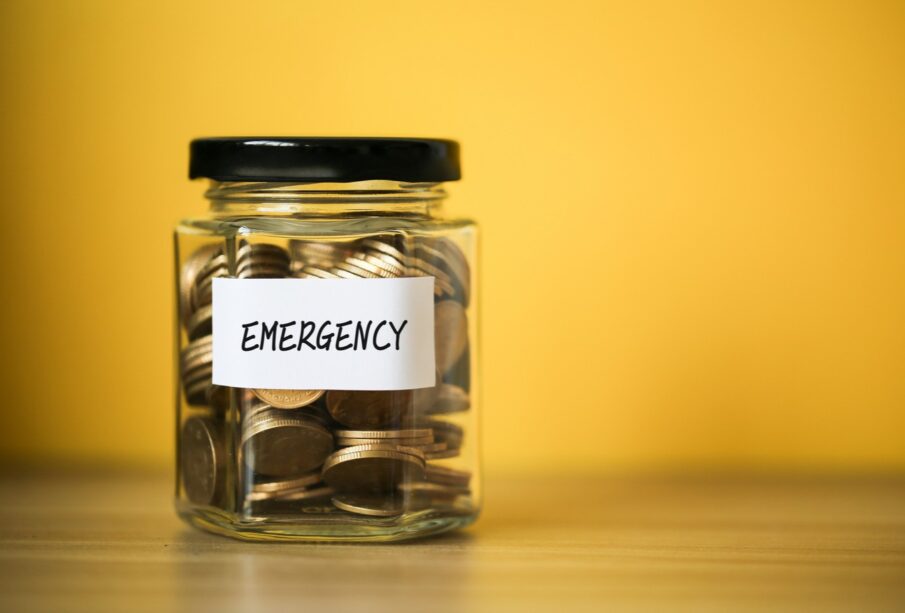
An emergency fund is money set aside specifically to cover unforeseen expenses or financial emergencies. It serves as a safety net that helps families navigate difficult situations without falling into debt or disrupting their long-term financial goals.
What Is an Emergency Fund?
An emergency fund is a dedicated savings reserve that is only used during genuine emergencies. Unlike money saved for vacations, education, or major purchases, emergency funds are intended for unexpected events that require immediate financial attention.
Examples of situations where an emergency fund may be used include:
- Medical emergencies
- Unexpected job loss
- Major home repairs
- Urgent car maintenance
- Family emergencies
- Temporary loss of income
- Natural disasters or unforeseen crises
Having access to emergency savings can make the difference between managing a crisis calmly and facing severe financial hardship.
The Benefits of Having an Emergency Fund
1. Reduces Financial Stress
Financial emergencies often create anxiety and uncertainty. Knowing that money is available to handle unexpected expenses provides peace of mind and reduces stress during difficult times.
Families with emergency savings are often better equipped to focus on solving problems rather than worrying about how to pay for them.
2. Prevents Debt Accumulation
Without emergency savings, many people rely on credit cards, loans, or borrowing from friends and relatives when unexpected expenses occur. This can lead to high-interest debt and long-term financial challenges.
An emergency fund allows households to cover urgent costs without taking on additional financial obligations.
3. Protects Long-Term Financial Goals
Many families save for goals such as buying a home, starting a business, funding education, or preparing for retirement. Unexpected expenses can force people to dip into these savings if no emergency fund exists.
A dedicated emergency fund helps protect long-term investments and savings plans from disruption.
4. Provides Security During Job Loss
Economic downturns, company restructuring, or personal circumstances can lead to unexpected unemployment. An emergency fund can cover essential expenses while a person searches for new employment opportunities.
This financial cushion allows individuals to make thoughtful decisions rather than accepting unsuitable jobs out of immediate desperation.
5. Encourages Better Financial Habits
Building an emergency fund requires discipline, budgeting, and consistent saving. These habits often improve overall financial management and encourage responsible spending.
Over time, households that prioritize emergency savings tend to develop stronger financial resilience.
How Much Should You Save?
Financial experts commonly recommend saving enough to cover three to six months of essential living expenses. However, the ideal amount varies depending on factors such as:
- Household size
- Income stability
- Employment type
- Existing financial obligations
- Health considerations
For households with irregular income or self-employed individuals, a larger emergency fund may be beneficial.
The key is to start with a realistic goal and build gradually over time.
Practical Steps to Build an Emergency Fund
Start Small
Building a large emergency fund can seem overwhelming. Begin with manageable targets, such as saving enough to cover one month’s expenses or setting aside a fixed amount each week.
Small contributions add up consistently over time.
Create a Dedicated Savings Account
Keeping emergency savings separate from everyday spending accounts reduces the temptation to use the money for non-emergency purposes.
A dedicated account also makes it easier to track progress toward savings goals.
Automate Savings
Automatic transfers can help make saving a regular habit. Scheduling transfers immediately after receiving income ensures that saving becomes a priority rather than an afterthought.
Reduce Unnecessary Expenses
Reviewing monthly spending can reveal opportunities to cut costs. Money saved from dining out less frequently, reducing subscriptions, or limiting impulse purchases can be directed toward emergency savings.
Use Windfalls Wisely
Tax refunds, bonuses, gifts, or unexpected income can provide an excellent opportunity to boost an emergency fund quickly.
When Should an Emergency Fund Be Used?
An emergency fund should only be used for genuine emergencies that are urgent, necessary, and unexpected.
Examples include:
- Emergency medical treatment
- Essential home repairs
- Job loss
- Critical vehicle repairs needed for work
Non-emergency expenses such as vacations, luxury purchases, entertainment, or planned events should not be funded from emergency savings.
After using the fund, households should focus on rebuilding it as soon as possible.
The Growing Importance of Emergency Funds
In today’s rapidly changing economic environment, financial uncertainty can affect anyone. Rising living costs, economic fluctuations, and unexpected personal challenges highlight the importance of financial preparedness.
Households that maintain emergency funds are generally more resilient and better positioned to recover from setbacks. They can respond to challenges with confidence, maintain stability, and continue pursuing their long-term financial goals.
Conclusion
An emergency fund is one of the most important foundations of financial security. It provides protection against unexpected expenses, reduces reliance on debt, and offers peace of mind during uncertain times. While building an emergency fund requires patience and consistency, the financial stability it provides is invaluable.
Every household, regardless of income level, can benefit from setting aside money for emergencies. By starting small and saving regularly, families can create a financial safety net that helps them weather life’s unexpected challenges and build a more secure future.




Leave a reply







Africa’s Source for Breaking News | Entertainments | Health | Finance | Sports | Lifestyle and Business News.


