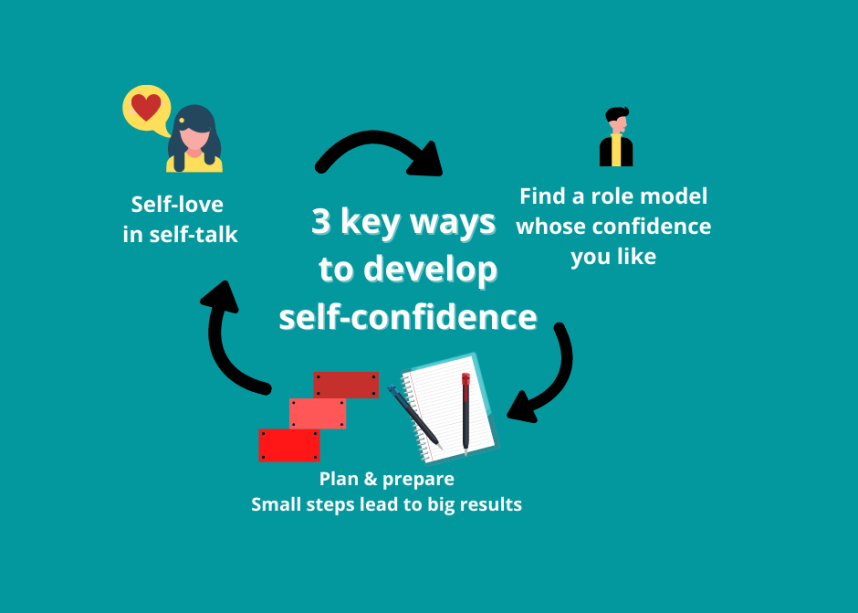
It does not happen overnight, nor is it something only a few lucky people possess. Confidence grows through consistent actions, positive experiences, and the willingness to learn from both success and failure. Whether you’re aiming to excel in your career, improve relationships, start a business, or simply feel better about yourself, developing self-confidence is one of the most valuable investments you can make.
Confidence influences nearly every aspect of life. It affects how we communicate, make decisions, pursue opportunities, and respond to challenges. People with healthy self-confidence are more likely to take calculated risks, recover from setbacks, and inspire trust in others.
The good news is that confidence is not a fixed personality trait. It is a skill that anyone can develop with patience, practice, and the right mindset.
What Is Self-Confidence?
Self-confidence is the belief in your ability to accomplish tasks, overcome obstacles, and handle life’s challenges. It doesn’t mean believing you’re perfect or never making mistakes. Instead, it means trusting yourself enough to keep moving forward despite uncertainty.
Confident individuals recognize both their strengths and areas for improvement without allowing weaknesses to define their identity.
Why Self-Confidence Matters
Building self-confidence offers numerous benefits, including:
Improved decision-making
Better communication skills
Greater career opportunities
Stronger personal relationships
Increased resilience during difficult times
Higher motivation and productivity
Better mental and emotional well-being
Confidence helps people pursue goals they might otherwise avoid due to fear or self-doubt.
Common Causes of Low Self-Confidence
Many factors contribute to low confidence, such as:
Negative Self-Talk
Constantly criticizing yourself creates limiting beliefs that become difficult to overcome.
Fear of Failure
People often avoid opportunities because they worry about making mistakes or being judged.
Comparing Yourself to Others
Social media and unrealistic expectations encourage unhealthy comparisons that damage self-esteem.
Past Experiences
Criticism, rejection, bullying, or repeated failures can affect confidence if left unaddressed.
Lack of Preparation
Feeling unprepared naturally leads to uncertainty in work, education, or personal situations.
Step 1: Know Yourself
Confidence begins with self-awareness.
Take time to identify:
Your strengths
Your skills
Your achievements
Areas you’d like to improve
Personal values
Writing these down helps you develop a realistic understanding of who you are.
Step 2: Set Small Achievable Goals
Confidence grows through success.
Instead of aiming for huge accomplishments immediately, start with manageable goals.
Examples include:
Reading one chapter each day
Exercising for 20 minutes
Learning one new professional skill weekly
Speaking up during one meeting
Each completed goal reinforces your belief in your abilities.
Step 3: Replace Negative Thoughts
Pay attention to your internal dialogue.
Instead of thinking:
“I’ll probably fail.”
Replace it with:
“I’ll prepare well and do my best.”
Or instead of:
“I’m not good enough.”
Say:
“I’m still learning, and I’m improving every day.”
Positive thinking doesn’t ignore reality, it encourages constructive thinking.
Step 4: Learn New Skills
Knowledge builds confidence.
Whether it’s public speaking, coding, photography, cooking, writing, or financial management, learning increases competence.
As competence grows, confidence naturally follows.
Never stop investing in your personal development.
Step 5: Accept Mistakes
Everyone makes mistakes.
Confident people don’t avoid failure, they learn from it.
Ask yourself after every setback:
What happened?
What can I improve?
What lesson did I gain?
Viewing failure as feedback reduces fear and builds resilience.
Step 6: Take Care of Your Physical Health
Physical well-being has a direct impact on confidence.
Focus on:
Regular exercise
Healthy eating
Adequate sleep
Drinking enough water
Good personal hygiene
Looking after your body often improves energy levels, mood, and self-image.
Step 7: Improve Your Body Language
People often appear more confident before they actually feel confident.
Practice:
Standing tall
Maintaining eye contact
Speaking clearly
Smiling naturally
Walking with purpose
Positive body language influences both how others perceive you and how you perceive yourself.
Step 8: Stop Comparing Yourself to Others
Everyone has a different journey.
Instead of asking:
“Why am I behind?”
Ask:
“Am I making progress compared to where I was last year?”
Measure growth against your own past rather than someone else’s highlights.
Step 9: Celebrate Small Wins
Don’t wait for major achievements before recognizing progress.
Celebrate:
Completing a difficult project
Learning a new skill
Finishing a book
Improving your health
Reaching a savings goal
Acknowledging progress builds momentum.
Step 10: Surround Yourself with Positive People
Your environment influences your confidence.
Spend more time with people who:
Encourage growth
Offer constructive feedback
Celebrate your achievements
Inspire positive habits
Limit exposure to individuals who constantly criticize, discourage, or undermine your efforts.
Step 11: Step Outside Your Comfort Zone
Growth rarely happens within familiar routines.
Challenge yourself regularly by:
Speaking in public
Attending networking events
Applying for promotions
Starting a side business
Traveling independently
Trying new hobbies
Every challenge you overcome expands your confidence.
Step 12: Practice Gratitude
Gratitude shifts attention away from perceived shortcomings.
Each day, write down three things you appreciate about:
Yourself
Your progress
Your life
This simple habit encourages a healthier mindset.
Step 13: Dress in a Way That Makes You Feel Good
You don’t need expensive clothes to feel confident.
Wear clean, comfortable, and appropriate clothing that reflects your personality.
When you feel good about your appearance, your confidence often increases naturally.
Step 14: Keep Learning from Successful People
Read biographies, listen to interviews, and study people who have achieved success in fields that interest you.
You’ll often discover they faced:
Rejection
Failure
Self-doubt
Financial struggles
Their stories remind us that confidence develops through persistence.
Step 15: Be Patient with Yourself
Confidence is built over time.
Some days you’ll feel highly motivated, while others may bring uncertainty.
Consistency matters more than perfection.
Small daily improvements eventually create lasting self-confidence.
Habits That Strengthen Confidence Daily
Consider adopting these simple habits:
Read for 20 minutes daily.
Exercise regularly.
Learn something new every week.
Speak kindly to yourself.
Keep promises you make to yourself.
Maintain a journal.
Practice mindfulness or meditation.
Spend less time comparing yourself on social media.
Set weekly goals.
Reflect on your progress.
Common Myths About Self-Confidence
Myth 1: Confident People Never Feel Fear
Reality: They experience fear but act despite it.
Myth 2: Confidence Means Being Loud
Reality: Quiet people can be highly confident.
Myth 3: You Must Be Perfect
Reality: Confidence comes from accepting imperfections while continuing to grow.
Myth 4: Confidence Is Something You’re Born With
Reality: Confidence can be developed through consistent effort and experience.
Final Thoughts
Building self-confidence is a lifelong journey rather than a final destination. Every positive habit, every new skill learned, and every challenge overcome strengthens your belief in yourself. While setbacks are inevitable, they do not define your worth or your future.
Start with small, consistent actions. Replace self-doubt with self-improvement, celebrate every milestone, and remember that confidence grows through action, not waiting until you feel ready. Over time, these daily steps will help you become more resilient, capable, and prepared to pursue your personal and professional goals with greater assurance.