
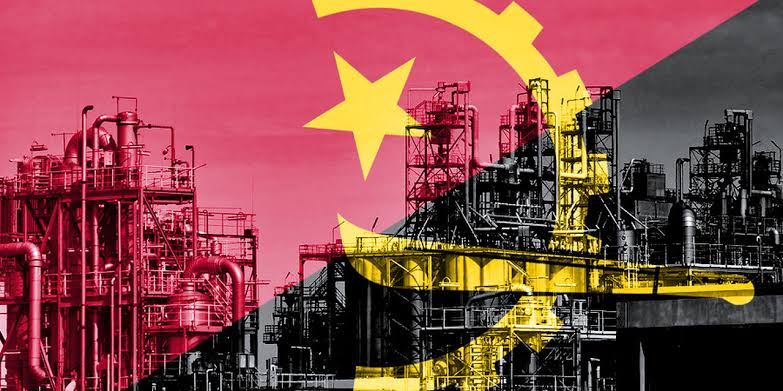
Can Made-in-Angola Products Compete Globally?
Can Made-in-Angola Products Compete Globally? Lessons From Local Brands
Can products made in Angola compete with goods manufactured in Europe, Asia, and North America? The answer is yes, but success requires more than local pride. Angolan businesses must produce quality goods, build trusted brands, control costs, and understand what international customers expect.
Angola has valuable natural resources, a rich cultural heritage, and a growing entrepreneurial community. These advantages create opportunities for businesses in coffee production, agriculture, fashion, food processing, furniture, crafts, and manufacturing. However, turning these opportunities into successful exports requires careful planning.
Many local businesses struggle with expensive production, unreliable infrastructure, limited financing, and difficulties reaching foreign buyers. Others produce excellent goods but lack the packaging, certification, or distribution networks needed to compete internationally.
So, what can Angolan entrepreneurs learn from local brands that have already taken steps towards international markets? Their experiences reveal an important lesson: Made-in-Angola products can succeed globally when businesses combine local strengths with international standards.
1. Angola Has Products the World Can Want
Angola’s natural resources and cultural identity provide a strong foundation for homegrown brands. Its agricultural sector offers opportunities in coffee, honey, fruits, cassava-based products, and other locally sourced foods. Meanwhile, its creative industries can produce fashion, accessories, decorative items, and handmade products inspired by Angolan traditions.
Coffee is particularly promising. Angola once had a significant coffee industry, and efforts to revive production have created opportunities for farmers, processors, and exporters.
Rather than selling only raw coffee beans, businesses can roast, package, and market finished products under their own brands. This strategy allows producers to capture more value and build direct relationships with customers.
Food businesses can follow a similar approach. Instead of exporting only raw agricultural commodities, producers can develop packaged foods for supermarkets, speciality retailers, restaurants, and African communities living abroad.
Angola’s cultural identity also offers opportunities in fashion and design. Local designers can combine traditional influences with contemporary styles to create distinctive products for international audiences.
However, cultural appeal alone cannot guarantee sales. Customers still expect consistent quality, competitive pricing, reliable delivery, and products that meet their needs.
2. Why Made-in-Angola Products Struggle to Compete
Despite their potential, Angolan businesses face challenges that can make international expansion difficult.
High production costs
Manufacturing requires reliable electricity, machinery, packaging materials, skilled workers, and affordable raw materials. When these inputs become expensive, local producers may struggle to compete with foreign manufacturers.
International competitors may also benefit from economies of scale. A company producing thousands of units can spread its expenses across more products, reducing the cost of each item.
Angolan businesses do not necessarily need to become the cheapest suppliers. Instead, they must offer sufficient quality, originality, and value to justify their prices.
Infrastructure and logistics problems
Moving products from a factory or farm to an international customer involves transportation, storage, customs procedures, and delivery arrangements.
High logistics costs can make Angolan products more expensive abroad. Agricultural producers face additional challenges because poor storage conditions can damage products before they reach customers.
International buyers also expect predictable delivery schedules. A business that produces excellent goods but regularly misses deadlines may struggle to secure repeat orders.
Limited access to finance
Expanding production requires investment in machinery, packaging, quality testing, and storage facilities. Without affordable financing, businesses may remain small even when demand exists.
Some producers also rely on outdated equipment that makes it difficult to maintain consistent quality.
These challenges show why international competitiveness requires more than finding customers. Businesses must develop the capacity to serve them reliably.
3. Learn From Angola’s Coffee Industry
Angola’s coffee sector provides useful lessons about adding value to local resources.
For decades, coffee played an important role in the country’s agricultural economy. Although production declined significantly during periods of conflict, efforts to revive the sector have created new opportunities.
Consider a local coffee business. Selling raw beans may generate revenue, but roasting them, developing distinctive blends, designing professional packaging, and building a recognised brand can create additional value.
Angonabeiro, a coffee-processing and distribution company operating in Angola, illustrates how locally sourced coffee can support processing and export activities. The company’s operations demonstrate the potential of connecting domestic agricultural production with commercial distribution.
Another example is Café Cazengo, an Angolan coffee brand associated with efforts to revive domestic coffee production and processing.
These businesses highlight several important lessons. First, producers need dependable relationships with farmers and suppliers. Second, quality control must remain consistent as production increases. Third, businesses need distribution partners who can connect their products with customers beyond Angola.
The same principles apply to other industries. Honey producers can develop branded packaging, fashion businesses can establish distinctive design identities, and food processors can transform local agricultural products into convenient consumer goods.
The central lesson is simple: Angola must capture more value from what it produces.
4. Build a Brand, Not Just a Product
A quality product needs a strong brand to stand out in a competitive market.
Customers consider appearance, price, reliability, reputation, and the experience associated with a purchase. Angolan businesses must communicate these qualities clearly rather than relying entirely on their country of origin.
For example, a coffee brand can distinguish itself through its flavour, growing region, production methods, packaging, and relationships with farming communities. These details help customers understand what makes the product different.
Fashion businesses can apply the same principle by combining local inspiration with modern design, durable materials, and professional finishing.
Packaging also matters. Labels should look professional, provide accurate product information, and comply with the regulations of the destination market. Food producers may need ingredient lists, allergen information, nutritional details, and appropriate shelf-life declarations.
Digital marketing creates another opportunity. Through professional websites, online catalogues, social media, and targeted advertising, smaller brands can reach potential buyers without immediately opening expensive international stores.
Ultimately, a strong brand answers three questions: What does the product offer? Why is it different? Why should customers trust it?
5. International Standards Are Non-Negotiable
A product that sells successfully in Angola may not automatically qualify for sale in another country.
International markets impose different rules covering product safety, labelling, packaging, ingredients, and import documentation. Businesses that overlook these requirements risk rejected shipments, financial losses, and damaged reputations.
Food exporters, for instance, must understand the sanitary and phytosanitary requirements of their destination markets. Manufacturers may also need testing, quality documentation, or recognised certifications.
Coffee producers should consider traceability and sustainability requirements where applicable. Preparing for these standards early can make international expansion smoother.
Angolan entrepreneurs should begin by identifying one target market and researching its requirements. They should calculate production, packaging, certification, shipping, and distribution costs before accepting export orders.
They must also test product quality and prepare accurate documentation.
Although these preparations require investment, they can prevent costly mistakes and help businesses earn the confidence of international buyers.
6. Start Regionally Before Going Global
Some businesses make the mistake of attempting to enter major international markets before establishing reliable operations at home.
For many Angolan brands, regional expansion offers a more manageable starting point. Other African markets can provide opportunities to test demand, develop distribution relationships, and learn how cross-border trade works.
The African Continental Free Trade Area provides a framework for expanding trade across the continent. However, businesses must still comply with applicable customs procedures, rules of origin, and product-specific requirements.
Language also matters. Angola’s Portuguese-speaking business environment differs from that of many neighbouring markets. Companies may need translated marketing materials, local distributors, and a clear understanding of customer preferences.
Once a brand establishes dependable sales in one or two markets, it can expand gradually into additional countries.
This approach helps businesses improve their operations before committing substantial resources to international expansion.
7. What Angola Must Do to Compete More Effectively
Global competitiveness does not depend on entrepreneurs alone. Angola also needs an environment that helps local businesses grow.
Affordable financing would allow producers to purchase modern equipment, improve packaging, and expand their facilities. Better electricity supply, transport links, storage facilities, and efficient customs processes would help reduce operating costs.
Government agencies and industry associations can support exporters through training, market research, trade fairs, and connections with international buyers.
Businesses can also benefit from collaboration. Farmers, processors, packaging suppliers, and distributors can build stronger supply chains by coordinating production and sharing resources where practical.
Meanwhile, local consumers can support businesses by purchasing quality Angolan products and providing constructive feedback. However, supporting local production should not mean accepting poor standards. Domestic demand can help businesses grow, but lasting success requires products that consistently deliver value.
Conclusion: Made in Angola Can Become a Global Advantage
Made-in-Angola products can compete globally, but success requires more than natural resources, cultural identity, or patriotic marketing.
Angolan businesses must invest in quality, professional branding, reliable production, competitive pricing, and international standards. They must also understand their customers, establish strong partnerships, and expand into new markets strategically.
The coffee industry demonstrates the potential of connecting local production with processing, quality control, and international distribution. Similar opportunities exist in agriculture, fashion, food processing, crafts, and manufacturing.
The biggest lesson is that global brands are built through consistent performance. A compelling story may attract a customer’s attention, but quality and reliability encourage repeat purchases.
For Angola, the opportunity is to transform local resources and creativity into products that create jobs, generate export revenue, and earn recognition beyond its borders.
The goal should not simply be to put “Made in Angola” on a label. It should be to make that label a promise of quality, originality, and trust.



Leave a reply





Africa’s Source for Breaking News | Entertainments | Health | Finance | Sports | Lifestyle and Business News.


