
Lessons From Chinua Achebe for Africa’s Young Leaders
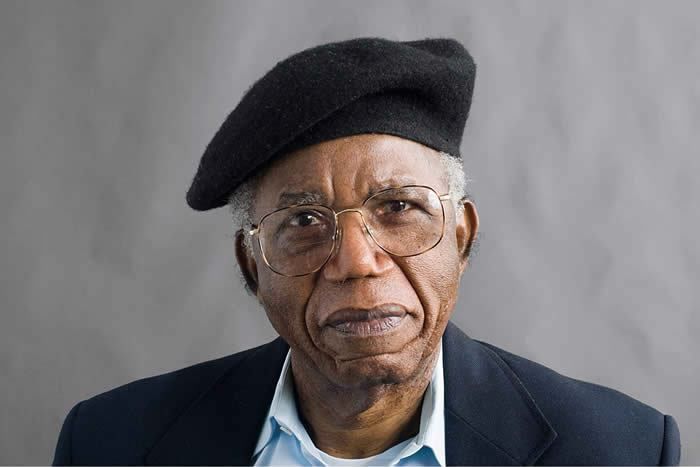
Lessons From Chinua Achebe for Africa's Young Leaders
Why Chinua Achebe Still Matters
Africa’s future depends on the quality of its leaders. Across the continent, young people are entering politics, building businesses, leading communities, and creating solutions to social problems. Yet many still face familiar challenges, including corruption, poor governance, cultural disconnection, and a lack of accountability. The works of Chinua Achebe offer valuable lessons for confronting these problems.
Achebe was one of Africa’s most influential writers. Born in 1930 in Ogidi, southeastern Nigeria, he gained international recognition through his novels, especially Things Fall Apart. His writing explored African societies, colonialism, tradition, power, and the consequences of poor leadership. Rather than presenting Africa through foreign stereotypes, Achebe gave African characters, histories, and experiences a powerful voice.
For young African leaders, his legacy extends beyond literature. His stories challenge people to examine their values, understand their communities, and consider the consequences of their decisions. Here are six important lessons that Africa’s emerging leaders can learn from his life and work.
1. Understand Your Identity Before Leading Others
One of Achebe’s greatest contributions was his determination to tell African stories from an African perspective. At a time when many international accounts portrayed African societies as primitive or without meaningful history, he demonstrated the complexity, traditions, and humanity of African communities.
In Things Fall Apart, Achebe presents Igbo society with its customs, institutions, disagreements, and beliefs. The community is neither perfect nor without internal conflict. However, it possesses a rich social structure that deserves to be understood on its own terms.
Young leaders can learn from this approach. Leadership requires a clear understanding of the people, history, and culture one represents. African leaders must understand their communities rather than blindly copying foreign systems or chasing external approval.
This does not mean rejecting useful ideas from other parts of the world. Instead, it means adapting those ideas to local realities. A successful leader understands that progress becomes more meaningful when it respects cultural identity while embracing necessary change.
2. Leadership Must Be Built on Accountability
Achebe’s A Man of the People examines political ambition, corruption, and the abuse of public office. Through its characters, the novel exposes how leaders can use political power to enrich themselves while neglecting the people they claim to serve.
This lesson remains relevant across Africa. Public office is not a personal reward. It is a responsibility that demands honesty, transparency, and commitment to the public good.
Young leaders entering government, business, or community organisations should recognise that trust is difficult to build and easy to destroy. Promises mean little when actions contradict them. A leader who demands loyalty but refuses accountability creates an environment where dishonesty can flourish.
Achebe’s work encourages emerging leaders to ask important questions: Who benefits from my decisions? Am I serving the public or myself? Can people question my actions without fear?
These questions apply even to young entrepreneurs and social media influencers. Leadership is not measured by popularity, wealth, or position alone. It is measured by the responsible use of influence.
3. Courage Means Speaking the Truth
Achebe did not limit his writing to entertaining readers. He also challenged political authority and confronted uncomfortable realities. His public commentary frequently addressed governance, national identity, and the responsibilities of Nigerian leadership.
His willingness to question authority offers an important lesson for young Africans: meaningful leadership requires moral courage.
In many workplaces, communities, and political environments, people hesitate to speak because they fear rejection, punishment, or losing opportunities. However, silence can allow harmful practices to continue. Leaders who value truth must be willing to challenge wrongdoing, even when doing so is inconvenient.
Courage does not mean being aggressive or disagreeing with everyone. It means standing by sound principles, presenting evidence honestly, and accepting criticism when necessary.
Young leaders should create environments where people can raise concerns without intimidation. Whether managing a small business or leading a national organisation, listening to honest criticism can prevent serious mistakes and improve decision-making.
4. Progress Requires Both Tradition and Change
In Things Fall Apart, Okonkwo struggles with the changes affecting his community. His rigid understanding of strength, masculinity, and tradition makes it difficult for him to respond wisely to changing circumstances. Meanwhile, colonial influence places additional pressure on an already complex society.
The novel illustrates how communities can suffer when change, conflict, and established beliefs are handled without sufficient understanding.
For young African leaders, the lesson is not that tradition should always be preserved or that every new idea should be accepted. Instead, progress requires discernment.
Some traditions strengthen communities through solidarity, respect, responsibility, and shared identity. Others may need reconsideration when they cause harm or restrict people’s opportunities. Likewise, modern systems can offer valuable improvements, but they should not be adopted without considering their consequences.
Effective leaders examine ideas critically. They preserve what serves their people, reform what causes harm, and embrace innovation when it creates meaningful benefits.
5. Listen to Different Voices Before Making Decisions
Achebe’s novels present societies filled with competing interests, personalities, beliefs, and interpretations of events. His characters reveal that communities are rarely as simple as leaders might imagine.
This complexity offers another lesson: good leadership begins with listening.
A leader who listens only to friends, political supporters, or wealthy stakeholders may overlook the struggles of ordinary people. Decisions made without consultation can create resentment and fail to address real problems.
Young African leaders should seek perspectives from people across different backgrounds, including women, young people, workers, rural communities, and people living with disabilities. They should ask questions before proposing solutions and examine evidence before drawing conclusions.
Listening does not require agreeing with every opinion. Rather, it allows leaders to understand problems more accurately and make better-informed decisions.
In a continent with diverse languages, cultures, economies, and social experiences, this ability is especially important. Leadership should unite people around shared goals without pretending that everyone has identical needs.
6. Use Your Talent to Serve Society
Achebe used literature to influence how Africans understood themselves and how the world understood Africa. His novels became important contributions to global literature, demonstrating that storytelling can preserve history, challenge injustice, and inspire critical thought.
His example reminds young Africans that talent becomes more powerful when it serves a purpose beyond personal success.
A designer can communicate important social messages. A technology entrepreneur can solve problems affecting local businesses. A journalist can expose wrongdoing. A teacher can prepare students to think independently. A political leader can create policies that expand opportunity.
Not everyone needs to enter politics to contribute to Africa’s development. Every profession offers opportunities to improve society.
Young people should therefore ask themselves how their skills can address real problems. Success matters, but its value increases when it creates opportunities for others and leaves communities stronger.
Building Africa’s Future With Wisdom and Integrity
Chinua Achebe’s legacy offers Africa’s young leaders a lasting guide to responsible leadership. His work highlights the importance of cultural identity, accountability, courage, thoughtful change, active listening, and service to society.
These lessons are particularly important for a generation facing rapid technological change, economic uncertainty, and growing demands for better governance. Africa needs leaders who understand their people, question harmful practices, accept responsibility, and place collective progress above personal ambition.
Achebe did not suggest that African societies were perfect or that their challenges could be solved through simple answers. Instead, his writing encouraged deeper reflection on the forces shaping communities and the decisions that determine their futures.
For young leaders, the challenge is to move beyond admiring Achebe’s achievements and apply the principles his work invites readers to consider. Build institutions that deserve public trust. Preserve cultural knowledge without resisting necessary progress. Speak honestly, listen carefully, and use your influence responsibly.
Africa’s future will not be shaped by political speeches alone. It will emerge from the daily decisions of people who choose integrity over convenience and service over selfish ambition. By learning from Chinua Achebe, young Africans can develop a more thoughtful vision of leadership and contribute to a continent where dignity, accountability, and opportunity become shared realities.




Leave a reply







Africa’s Source for Breaking News | Entertainments | Health | Finance | Sports | Lifestyle and Business News.


