
Can Zambia Truly Feed Itself?
Can Zambia Truly Feed Itself?
Can Zambia Truly Feed Itself? The Hard Truth About Food Security
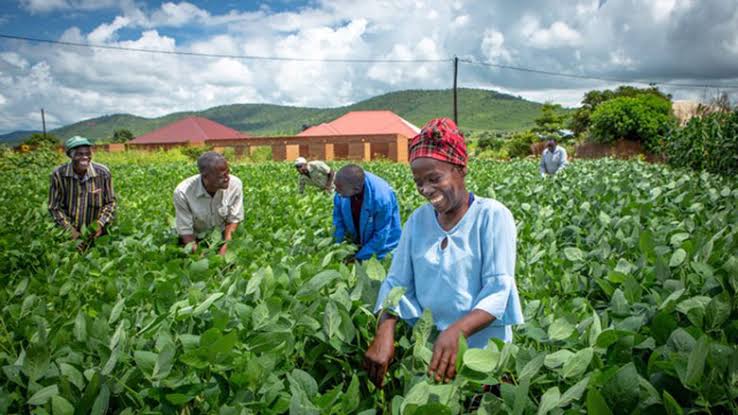
Zambia is one of Africa’s most agriculturally promising countries. With vast areas of arable land, a favourable climate in many regions, freshwater resources and a large population of farmers, the country has the potential to produce enough food for its people. Yet, despite these advantages, food insecurity remains a serious challenge for many Zambian households.
The problem became particularly visible during the 2023–2024 drought, when poor rainfall damaged crops, reduced harvests and placed millions of people at risk of hunger. The crisis exposed a difficult reality: a country can possess enormous agricultural potential and still struggle to guarantee that everyone has enough food to eat.
So, can Zambia truly feed itself?
The answer is yes, in principle. However, achieving that goal requires more than planting additional maize or expanding farmland. Zambia must strengthen its agricultural systems, manage climate risks, improve food distribution and ensure that ordinary households can afford nutritious meals.
Understanding these challenges is essential to understanding the future of food security in Zambia.
1. Zambia Has the Potential to Feed Itself
Agriculture remains a major part of Zambia’s economy and provides livelihoods for a significant proportion of its population. Smallholder farmers, in particular, play an important role in producing maize, cassava, groundnuts, beans, vegetables and other essential crops.
The country also has considerable agricultural resources. Its land, river systems and seasonal rainfall provide opportunities for crop production, livestock farming, fisheries and irrigation.
Maize is the country’s most important staple food. It is consumed in different forms, including nshima, a thick maize meal porridge that features prominently in Zambian diets. Consequently, maize production strongly influences household food supplies, food prices and national agricultural policy.
However, Zambia’s agricultural potential extends beyond maize. Cassava, millet, sorghum, sweet potatoes, rice, legumes and horticultural crops can help diversify diets and reduce dependence on a single staple.
This diversity matters because a country that produces several types of food is better positioned to withstand disruptions affecting individual crops.
Zambia therefore has many of the resources required to achieve food security. The challenge is converting those resources into reliable, affordable and nutritious food throughout the year.
2. The Drought Crisis Exposed Zambia’s Vulnerability
One of the clearest demonstrations of Zambia’s food security challenges came during the 2023–2024 El Niño-related drought.
The drought severely affected agricultural production across much of Southern Africa. Zambia experienced significant rainfall shortages during a critical period of the growing season, damaging crops and reducing expected harvests.
In February 2024, the Zambian government declared the drought a national disaster and emergency. The crisis affected agricultural households, reduced food availability in vulnerable communities and threatened rural incomes.
The consequences extended beyond farms.
When farmers harvest less maize, the supply available for consumption and commercial sale falls. Prices can rise, making staple foods more expensive for households that already spend a large share of their income on food.
Farmers may also lose the money they expected to earn from selling their produce. Without sufficient income, they can struggle to purchase fertiliser, seeds and other inputs for the next planting season.
This creates a damaging cycle: poor harvests reduce income, reduced income limits future production, and lower production increases the risk of further food shortages.
The drought demonstrated that Zambia’s food security remains closely tied to weather conditions. Even a country with substantial agricultural resources can experience severe shortages when its production systems cannot withstand prolonged dry spells.
3. Why Maize Dependence Can Become a Problem
Maize is central to Zambia’s food system, but heavy dependence on one crop creates risks.
When rainfall is favourable, a strong maize harvest can improve national food availability and support lower prices. However, when drought affects maize-producing regions, the consequences can spread throughout the economy.
Farmers who concentrate on maize may lose a substantial portion of their harvest during unfavourable seasons. Households that rely heavily on maize for their daily meals can also struggle when supplies become limited or prices increase.
Crop diversification offers a practical solution.
Cassava, sorghum and millet can perform better than maize under certain dry conditions, although their performance still depends on local soil, weather and farming practices. Legumes such as beans and cowpeas can improve diets by providing protein and other nutrients. Sweet potatoes and other root crops can provide additional sources of energy.
Diversification does not mean abandoning maize. Instead, it means building a food system that does not collapse when one crop performs poorly.
The government, agricultural extension services and development organisations can encourage farmers to grow suitable alternative crops, improve access to quality seeds and expand markets for diverse agricultural products.
Consumers also have a role to play. Greater demand for traditional grains, cassava products and locally grown legumes can make diversification more commercially attractive to farmers.
4. Smallholder Farmers Need More Than Land
Zambia’s smallholder farmers are essential to national food production, but many face obstacles that prevent them from reaching their full potential.
Access to affordable agricultural inputs remains important. Seeds, fertiliser, pesticides, equipment and fuel can be expensive, particularly for farmers with limited savings.
Some farmers also lack reliable access to irrigation, agricultural advice, credit and markets. Without these resources, even fertile land may not produce the yields needed to support a household or supply larger markets.
Post-harvest losses create another problem. Poor storage facilities, inadequate transport and limited processing capacity can cause farmers to lose part of their harvest before it reaches consumers.
These losses reduce the amount of food available while also depriving farmers of income.
Improving agricultural productivity therefore requires more than distributing fertiliser or encouraging people to cultivate additional land. Farmers need practical support throughout the production process.
Better storage facilities can protect harvested crops. Affordable financing can help farmers invest in equipment and inputs. Agricultural training can improve soil management and pest control, while stronger links to buyers can reduce uncertainty about where produce will be sold.
Supporting smallholder farmers is one of the most direct ways Zambia can strengthen its food supply and rural economy.
5. Climate Change Makes Food Security More Difficult
Climate change presents another major challenge to Zambia’s agricultural ambitions.
Unpredictable rainfall, prolonged dry spells, extreme temperatures and occasional flooding can affect planting decisions, crop growth and harvests. These conditions make farming increasingly difficult for households that depend almost entirely on rain-fed agriculture.
Irrigation can reduce this vulnerability by allowing farmers to supply water when rainfall is insufficient. However, irrigation infrastructure requires investment, maintenance, energy and effective water management.
Zambia’s rivers and other water resources create opportunities to expand irrigation, but water availability alone does not guarantee that farmers can use it efficiently or affordably.
Climate-smart agriculture can also help. Practices such as conservation agriculture, crop rotation, mulching, improved soil management and the use of drought-tolerant seed varieties can reduce certain production risks.
Agroforestry, which integrates trees with crops or livestock, may also improve soil protection and support more resilient farming systems when appropriately managed.
Nevertheless, no single farming method can eliminate every climate risk. Zambia needs a combination of better infrastructure, locally suitable agricultural practices, reliable weather information and accessible insurance or other financial protection for farmers.
Preparing for drought before it happens is generally more sustainable than responding only after crops have failed.
6. Food Availability Does Not Guarantee Food Security
One of the biggest misunderstandings about food security is the belief that producing enough food automatically means everyone can eat.
In reality, food security depends on several connected factors: availability, access, proper utilisation and stability over time.
A country may produce a large national harvest while some households remain hungry because they cannot afford food. A family may find maize available in local markets but lack the income to purchase enough for everyone.
This distinction is particularly important for low-income households in urban areas, where families often depend on markets rather than producing their own food.
Rising transport costs, fuel prices, storage expenses and other distribution challenges can also influence retail food prices.
For rural households, the problem may involve seasonal shortages, limited access to markets or the loss of crops before harvest. For urban families, it may be the growing gap between wages and the cost of essential groceries.
Zambia must therefore pursue two goals simultaneously: increase reliable food production and improve people’s ability to obtain food.
Job creation, stronger rural incomes, efficient markets and targeted social protection can all contribute to this effort.
Nutrition must also remain a priority. Food security is not simply about filling stomachs with calories. People need balanced diets that include protein, vitamins, minerals and other essential nutrients.
7. Can Zambia Become a Regional Food Supplier?
Zambia has opportunities to strengthen its position as an agricultural producer within Southern Africa.
Its ability to produce maize and other crops can support regional trade when domestic supplies are sufficient. Agricultural exports can generate income for farmers, create jobs and encourage investment in storage, processing and transportation.
However, regional food trade requires careful planning.
Exporting food can benefit producers and the wider economy, but poorly timed restrictions or exports during domestic shortages can create difficulties for consumers. Conversely, sudden export bans can undermine farmers’ confidence and disrupt established markets.
A sustainable approach requires transparent trade policies, reliable production forecasts and clear rules governing food reserves and exports.
Zambia also needs stronger food-processing industries. Processing cassava, groundnuts, maize, fruits and vegetables can extend shelf life, reduce waste and create products with greater commercial value.
Better roads, storage facilities and regional transport connections would help move produce from farming communities to cities and neighbouring markets.
The objective should not simply be to export more food. It should be to build a system that protects domestic food security while allowing farmers and agribusinesses to benefit from regional demand.
8. What Must Zambia Do to Feed Its People Reliably?
Achieving lasting food security requires coordinated action from government, farmers, businesses and communities.
First, Zambia must invest in irrigation and climate-resilient farming. This would reduce dependence on rainfall and help stabilise harvests.
Second, the country should diversify agricultural production. Supporting suitable traditional crops alongside maize can reduce vulnerability and improve dietary quality.
Third, farmers need better access to finance, agricultural inputs, modern equipment, extension services and dependable markets.
Fourth, investments in storage, processing and transportation must reduce post-harvest losses and make food distribution more efficient.
Fifth, policymakers should develop predictable agricultural and trade policies that balance the interests of consumers, farmers and food businesses.
Finally, food security programmes must address affordability and nutrition. Vulnerable households need effective support, especially during droughts, economic shocks and periods of high food prices.
These measures will require sustained funding, reliable implementation and cooperation between public and private institutions.
Conclusion: Zambia Can Feed Itself, but Potential Is Not Enough
Can Zambia truly feed itself? The country’s agricultural resources suggest that it can make substantial progress towards that goal. However, the drought crisis and continuing barriers facing farmers demonstrate why potential alone cannot guarantee food security.
Zambia must move beyond dependence on favourable rainfall and strong maize harvests. It needs a diversified agricultural sector, better irrigation, stronger smallholder support, improved storage and distribution, and policies that ensure food remains affordable.
Most importantly, success should not be measured only by the number of tonnes harvested each year. It should also be measured by whether families can consistently afford nutritious meals, farmers can earn sustainable incomes and communities can withstand climate-related shocks.
Zambia does not necessarily need to produce every food item consumed within its borders to achieve food security. Strategic trade can remain valuable. What matters is having a reliable domestic production base, resilient supply chains and the economic means to obtain food when local harvests fall short.
The hard truth is that Zambia’s food security challenge is not simply about producing more food. It is about building a system that makes food available, accessible, nutritious and dependable.
With sustained investment and effective policies, Zambia can move closer to feeding its people reliably. The real test is whether the country can turn its agricultural promise into a lasting reality for every household.



Leave a reply






Africa’s Source for Breaking News | Entertainments | Health | Finance | Sports | Lifestyle and Business News.


