
Emerging Leaders Changing African Politics
Emerging Leaders Changing African Politics
Africa is experiencing a political transformation unlike any in its recent history.
Across the continent, a new generation of leaders is stepping forward with fresh ideas, innovative policies, and a commitment to solving long-standing challenges. Rather than relying on traditional political approaches, many emerging leaders are embracing transparency, digital governance, youth participation, and economic reforms to build stronger nations.
Since Africa is home to the world’s youngest population, the demand for accountable leadership has never been greater. Consequently, young politicians, reform-minded public servants, civic activists, and community leaders are increasingly shaping national conversations. Their influence extends beyond elections, affecting education, healthcare, technology, environmental protection, entrepreneurship, and democratic governance.
This new wave of leadership offers hope for millions of young Africans who want governments that are responsive, inclusive, and focused on long-term development.
Why Africa Needs a New Generation of Leaders
For decades, many African countries have faced challenges such as corruption, unemployment, poor infrastructure, political instability, and unequal access to opportunities. Although progress has been made in many regions, these issues continue to affect economic growth and social development.
Today’s emerging leaders understand that sustainable progress requires more than political promises. Instead, they focus on practical reforms that improve everyday life. They recognize that governments must become more transparent, efficient, and accountable while creating opportunities for citizens to participate in national development.
Moreover, younger leaders often have a better understanding of technology, global economic trends, and the expectations of modern societies. As a result, they are introducing innovative solutions that were previously overlooked.
The Rise of Youth Participation in Politics
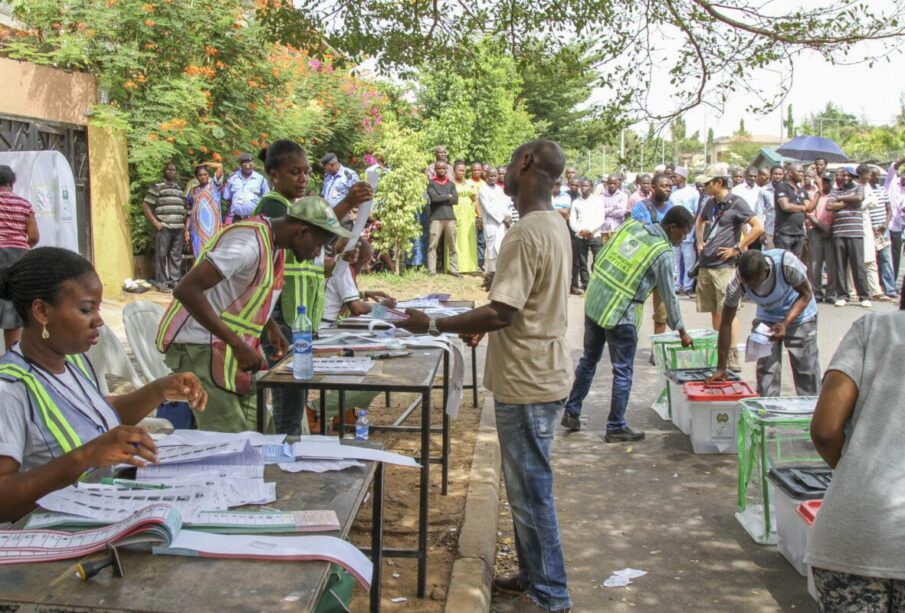
One of the most significant political developments across Africa is the growing involvement of young people in governance. Increasingly, young Africans are no longer satisfied with simply voting during elections. Instead, they are becoming lawmakers, policy advisers, entrepreneurs, campaign organizers, journalists, and civic advocates.
Furthermore, social media has transformed political participation by allowing citizens to engage directly with leaders, discuss national issues, and hold governments accountable. Digital platforms have made political education more accessible while encouraging greater public involvement.
As more educated and politically aware young people enter public service, governments are beginning to reflect the priorities of a younger generation.
Policy Reforms Driving Change
Emerging African leaders are championing reforms that aim to improve governance and accelerate development. Several policy areas stand out as particularly important.
1. Fighting Corruption
Transparency remains one of the biggest priorities across many African countries. Reform-minded leaders are introducing stronger financial oversight, digital procurement systems, and independent anti-corruption institutions.
Additionally, greater public access to government information helps reduce misuse of public funds while strengthening citizens’ trust.
2. Expanding Digital Government
Technology is making government services faster and more accessible. Many countries are digitizing tax collection, business registration, identity systems, healthcare records, and public services.
Consequently, citizens spend less time dealing with bureaucracy while governments improve efficiency and reduce opportunities for corruption.
3. Investing in Education
Education reforms are receiving increased attention as governments recognize the importance of preparing young people for future careers. Emerging leaders are promoting technical education, digital literacy, vocational training, and innovation hubs.
As economies continue to evolve, these investments help young Africans compete in global industries.
4. Supporting Entrepreneurship
Rather than relying solely on public-sector employment, many reformers encourage entrepreneurship through startup funding, business-friendly regulations, and innovation policies.
Moreover, supporting small and medium-sized enterprises creates jobs while stimulating local economies.
5. Strengthening Democratic Institutions
Many young political leaders emphasize the importance of independent courts, free media, credible elections, and peaceful transfers of power.
Strong institutions, instead of strong personalities, provide lasting political stability and encourage investor confidence.
Inspiring Emerging African Leaders
Across the continent, several younger or reform-oriented political figures have demonstrated how fresh leadership can influence national development.
- Bassirou Diomaye Faye has emphasized institutional reform, anti-corruption efforts, and greater economic sovereignty.
- Abiy Ahmed introduced significant political and economic reforms during his early years in office, including opening political space and pursuing modernization initiatives.
- Bobi Wine has inspired many young Africans through civic engagement, democratic advocacy, and calls for political accountability.
- Julius Malema continues to influence political debate on economic transformation, youth employment, and land reform.
Although each leader operates in different political environments and has faced varying levels of praise and criticism, they illustrate the growing influence of younger voices in African politics.
Challenges Facing Emerging Leaders
Despite growing momentum, new political leaders face considerable obstacles.
Established political systems can be difficult to reform. In some countries, limited resources, political resistance, institutional weaknesses, and economic pressures slow the pace of change.
Furthermore, public expectations are extremely high. Citizens often expect immediate improvements, while meaningful reforms may require years before measurable results become visible.
Balancing political realities with ambitious reform agendas remains one of the greatest tests for any emerging leader.
The Role of Young Africans
Political transformation is not the responsibility of elected officials alone. Young Africans also play a vital role in shaping the future of their countries.
Citizens can contribute by:
- Staying informed about public policies.
- Participating in peaceful democratic processes.
- Holding leaders accountable through civic engagement.
- Supporting ethical leadership.
- Volunteering in community development initiatives.
- Encouraging constructive political dialogue.
- Promoting unity across ethnic, religious, and cultural differences.
Every informed citizen strengthens democracy and encourages better governance.
Looking Ahead
Africa’s future will depend largely on leaders who prioritize reforms over rhetoric and public service over personal interests. Encouragingly, a new generation is already demonstrating that politics can become more transparent, innovative, and people-centered.
While challenges remain, continued investment in education, technology, democratic institutions, and youth leadership offers reason for optimism. If governments, civil society, and citizens work together, Africa can build stronger institutions, create more economic opportunities, and improve the quality of life for millions.
Conclusion
Emerging leaders are reshaping African politics through bold ideas, practical reforms, and a renewed commitment to accountable governance. By focusing on transparency, entrepreneurship, digital innovation, education, and democratic institutions, they are laying the foundation for a more prosperous and inclusive continent.
For young Africans, this moment represents more than a political shift, it is an opportunity to participate actively in building the future. Through informed civic engagement, ethical leadership, and a shared commitment to reform, the next generation can help create an Africa that is resilient, innovative, and prepared to meet the challenges of the twenty-first century.




Leave a reply






Africa’s Source for Breaking News | Entertainments | Health | Finance | Sports | Lifestyle and Business News.


