
Mental Wellness Practices Rooted in African Culture
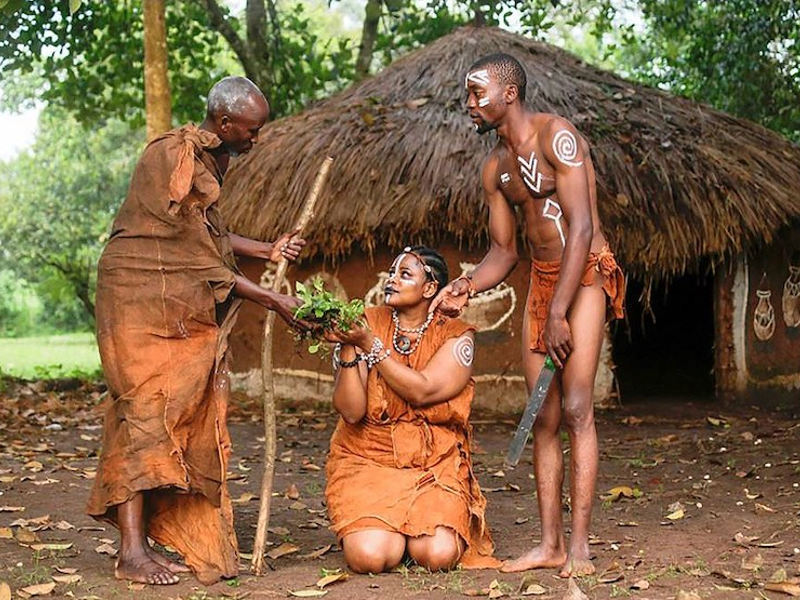
Mental Wellness Practices Rooted in African Culture
Mental wellness has become an increasingly important topic across the world.
As more people recognize the importance of emotional and psychological health, many are also rediscovering traditional approaches that have supported well-being for generations. Across Africa, communities have long practiced methods that promote resilience, healing, connection, and inner peace. These cultural traditions remind us that mental wellness is not only about treating illness but also about nurturing healthy relationships, strong communities, and balanced living.
While modern psychology provides valuable tools, African cultures offer unique perspectives that complement contemporary mental health care. Many of these practices focus on belonging, storytelling, spirituality, music, nature, family, and communal support. Together, they create a holistic approach to mental wellness that remains relevant today.
This article explores several mental wellness practices rooted in African culture and explains how they continue to benefit individuals and communities.
Understanding Mental Wellness Through an African Lens
In many African societies, mental wellness is viewed as a balance between the individual, the family, the community, nature, and spiritual life. Rather than seeing emotional struggles as isolated personal issues, traditional beliefs often recognize that well-being is connected to social harmony and meaningful relationships.
Consequently, healing frequently involves the support of loved ones, respected elders, faith leaders, or community members. This collective approach reduces isolation and encourages individuals to seek help instead of suffering alone.
The Healing Power of Community
One of Africa’s greatest strengths is its sense of community. The philosophy often summarized as “I am because we are” reflects the understanding that personal well-being is closely connected to the well-being of others.
Strong community networks provide emotional support during difficult times. Friends, neighbors, relatives, and elders often gather to comfort those experiencing grief, financial hardship, illness, or emotional distress.
Moreover, community celebrations, volunteer activities, and shared responsibilities strengthen social bonds that protect mental health. Feeling connected reduces loneliness and helps individuals develop resilience during life’s challenges.
Storytelling as Emotional Healing
Storytelling has always played an important role in African cultures. Elders pass down wisdom through folktales, proverbs, legends, and personal experiences that teach valuable life lessons.
These stories help people understand difficult emotions, develop patience, and find hope during hardship. Furthermore, storytelling creates safe spaces where individuals can express fears, share experiences, and receive guidance from others.
Today, storytelling continues through books, community gatherings, podcasts, and digital platforms, making this ancient practice relevant for younger generations.
Music, Dance, and Drumming
Across Africa, music and dance are more than entertainment. They are powerful tools for emotional expression and healing.
Traditional drumming, singing, and dancing allow people to release stress, celebrate achievements, process grief, and strengthen community bonds. Participating in cultural performances encourages physical movement while also improving mood and reducing emotional tension.
Additionally, group music activities foster belonging and create opportunities for social interaction, both of which contribute positively to mental wellness.
Spiritual Practices and Inner Peace
Spirituality plays a significant role in many African communities. Prayer, meditation, worship, fasting, and reflection help individuals cope with life’s uncertainties and build emotional resilience.
Many people find comfort in faith during periods of anxiety, loss, or major life transitions. Spiritual practices often encourage gratitude, forgiveness, hope, and compassion, which support positive mental health.
Although spiritual beliefs differ across cultures and religions, many African traditions emphasize purpose, connection, and inner strength.
The Wisdom of Elders
Respect for elders remains an important aspect of many African societies. Older community members often serve as mentors, counselors, and trusted advisors.
Their life experiences provide practical guidance for younger generations facing relationship challenges, career decisions, family conflicts, or personal struggles.
Furthermore, conversations with elders can offer reassurance and perspective, helping individuals navigate difficult situations with greater confidence.
Traditional Healing Practices
Traditional healers have long been respected in many African communities for addressing emotional, spiritual, and physical well-being.
Their approaches often combine counseling, herbal knowledge, rituals, and community involvement. While traditional healing should not replace professional mental health treatment for serious conditions, many communities continue to value these practices as complementary sources of comfort and cultural identity.
Today, many health experts encourage respectful collaboration between traditional knowledge and modern healthcare where appropriate and evidence-based.
Nature and Mental Well-Being
Many African cultures maintain a close relationship with nature. Spending time outdoors, farming, caring for animals, and participating in environmental activities can improve emotional well-being.
Natural surroundings encourage relaxation, reduce stress, and provide opportunities for reflection. Moreover, many cultural ceremonies take place in natural environments, reinforcing the connection between people and the land.
As urbanization increases, preserving access to parks, forests, rivers, and green spaces can continue to support mental health.
The Importance of Family Support
Extended families remain central to life in many African communities. Parents, grandparents, aunts, uncles, and cousins often share responsibilities and provide emotional encouragement.
During times of hardship, family members frequently assist with childcare, financial support, and caregiving. This shared responsibility reduces stress and helps individuals feel less overwhelmed.
Healthy family communication also encourages openness about emotional struggles, making it easier to seek help when needed.
Cultural Rituals and Emotional Recovery
Life events such as births, marriages, initiations, and funerals are often marked by meaningful cultural ceremonies. These rituals help individuals process change, celebrate milestones, and cope with grief.
For example, funeral ceremonies provide structured opportunities for mourning while allowing communities to support grieving families. Likewise, coming-of-age ceremonies help young people prepare emotionally for adulthood.
These traditions offer psychological benefits by creating shared experiences and reinforcing social support.
Proverbs That Encourage Resilience
African proverbs contain generations of wisdom about patience, perseverance, kindness, and hope. Many continue to inspire people facing personal challenges.
Examples include:
- “However long the night, the dawn will break.”
- “Wisdom is like a baobab tree; no one individual can embrace it.”
- “Rain does not fall on one roof alone.”
These sayings remind people that difficult seasons eventually pass and that seeking help from others is a sign of strength rather than weakness.
Combining Tradition With Modern Mental Health Care
Modern mental health services, including counseling, therapy, and medical treatment, are essential resources for many individuals. At the same time, culturally rooted practices can strengthen emotional well-being by providing identity, belonging, and social support.
Therefore, communities benefit most when traditional cultural values and evidence-based healthcare work together. This balanced approach respects cultural heritage while ensuring access to professional mental health care when needed.
Challenges Facing Traditional Mental Wellness Practices
Despite their value, several factors threaten the preservation of traditional wellness practices. Rapid urbanization, changing lifestyles, migration, and the loss of indigenous languages have reduced opportunities for passing cultural knowledge to younger generations.
In addition, mental health stigma still prevents many people from discussing emotional struggles openly. Increasing mental health education while preserving positive cultural traditions can help address these challenges.
Practical Ways to Incorporate African Wellness Practices Today
Individuals can benefit from African-inspired mental wellness practices by:
- Spending quality time with family and friends.
- Participating in community activities.
- Listening to traditional music or learning cultural dances.
- Spending time in nature regularly.
- Learning traditional stories and proverbs.
- Seeking guidance from trusted mentors or elders.
- Practicing gratitude and spiritual reflection.
- Supporting community initiatives that promote social connection.
- Seeking professional mental health care whenever necessary.
Conclusion
African cultures have nurtured mental wellness for centuries through community support, storytelling, spirituality, music, family relationships, respect for elders, and a deep connection with nature. These traditions continue to offer valuable lessons in resilience, compassion, and emotional balance.
As conversations about mental health become more open across the continent and beyond, there is much to learn from these time-tested practices. By combining cultural wisdom with modern mental health care, individuals and communities can build healthier, more supportive environments where everyone has the opportunity to thrive.
Ultimately, mental wellness flourishes when people feel connected to themselves, to their communities, to their cultural heritage, and to the hope that healing is always possible.




Leave a reply




Africa’s Source for Breaking News | Entertainments | Health | Finance | Sports | Lifestyle and Business News.


