
Entertainment Trends That Shaped Culture
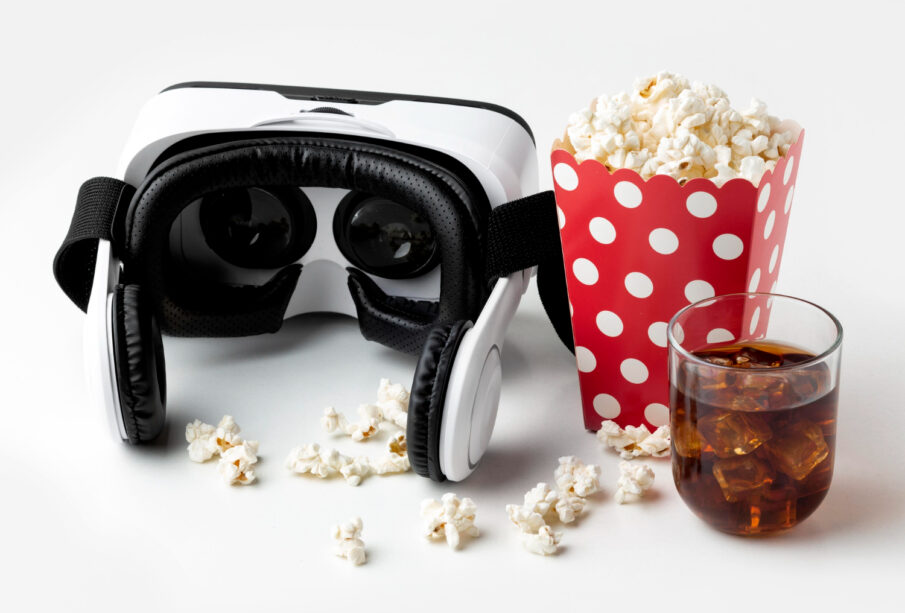
Entertainment has always been more than just a way to pass time.
Over the decades, it has influenced how people think, communicate, dress, and even how societies evolve. From traditional cinema to short-form videos, entertainment trends have consistently shaped global culture in powerful ways.
The Rise of Television and Shared Experiences
One of the earliest major shifts came with the rise of television. Suddenly, families gathered in living rooms to watch the same programs at the same time. This created a shared cultural experience that influenced public opinion, fashion, and even language.
Shows like music countdown programs and global news broadcasts helped standardize pop culture across regions. As a result, trends spread faster than ever before, connecting people across different backgrounds.
The Impact of Music Television and Pop Culture Explosion
When music television channels became popular, entertainment shifted toward a more visual and youth-driven culture. Artists were no longer just musicians; they became style icons and cultural influencers.
Music videos shaped fashion trends, dance styles, and even social attitudes. This era also marked the beginning of celebrity culture as we know it today, where artists were followed not only for their work but also for their lifestyles.
The Digital Revolution and Streaming Platforms
The internet changed everything. With platforms like YouTube, entertainment became more democratic. Anyone could create content, share it, and reach a global audience without traditional media gatekeepers.
Later, streaming services such as Netflix transformed how people consumed movies and series. Instead of waiting for weekly episodes or cinema releases, audiences began binge-watching entire seasons in one sitting.
This shift changed storytelling itself. Writers began creating content designed for continuous viewing, which influenced pacing, character development, and audience engagement.
The Social Media Era and Short-Form Content
More recently, social media has become one of the most powerful forces in entertainment. Platforms like TikTok have introduced short-form video content that is fast, engaging, and highly shareable.
At the same time, TikTok has reshaped music trends, dance challenges, and even marketing strategies. Songs often go viral not through radio play, but through user-generated videos.
This trend has shortened attention spans but increased creativity. Content creators now focus on delivering impact within seconds rather than minutes.
Streaming Music and Personalized Listening
Music consumption has also evolved dramatically. Services like Spotify introduced personalized playlists and algorithm-driven recommendations. This changed how people discover new artists and genres.
Instead of relying on traditional album releases, listeners now explore music based on mood, activity, or algorithmic suggestions. This has helped independent artists reach global audiences more easily than before.
Gaming and Interactive Entertainment
Another major cultural shift comes from gaming. Video games are no longer just hobbies; they are now storytelling platforms, social spaces, and even competitive sports.
Games have influenced fashion, film adaptations, and online communities. Esports, in particular, has created new celebrities and careers, proving that entertainment is no longer limited to passive consumption.
The Influence on Fashion, Language, and Identity
Across all these trends, one thing remains consistent: entertainment shapes identity. Fashion trends often emerge from movies, music videos, and online creators. Slang and internet language spread quickly through memes and viral content.
As a result, culture is now more interconnected than ever. A trend that starts in one part of the world can become global within hours.
Conclusion
Entertainment trends have continuously reshaped how society communicates, expresses itself, and connects with others. From television to streaming platforms and social media, each era has added a new layer to global culture.
As technology continues to evolve, entertainment will likely become even more immersive and personalized, further blurring the line between creators and audiences.




Leave a reply




Africa’s Source for Breaking News | Entertainments | Health | Finance | Sports | Lifestyle and Business News.


