
Food Experience in Nigeria
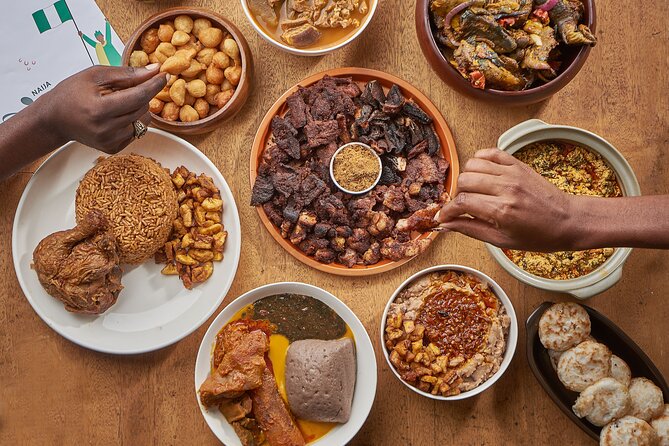
Food Experience in Nigeria: A Rich Journey Through Taste, Culture, and Tradition
Nigeria is more than a country; rather, it is a vibrant tapestry of cultures, languages, and traditions. Because of this diversity, food becomes one of its most powerful expressions of identity. In fact, a food experience in Nigeria is not just about eating, but also about storytelling, heritage, community, and celebration. Therefore, every meal carries history, every spice has meaning, and every region offers something uniquely unforgettable.
A Nation Defined by Culinary Diversity
To begin with, Nigeria’s cuisine reflects its over 250 ethnic groups. As a result, food varies widely from region to region, yet it remains deeply connected by shared cultural values.
For example, in the southwest, the Yoruba people are known for bold and flavorful dishes such as amala and ewedu soup, which are often enjoyed with assorted meats. Meanwhile, in the southeast, the Igbo culture offers dishes like oha soup, fufu, and abacha (African salad), which are rich, earthy, and deeply satisfying. Similarly, in the north, meals like tuwo shinkafa and miyan kuka highlight simplicity while still preserving strong traditional roots.
Jollof Rice: The Heart of West African Cuisine
Without a doubt, no discussion of Nigerian food is complete without jollof rice. This iconic dish, made from rice cooked in a rich tomato-based sauce, is central to celebrations across the country.
Moreover, Nigerian jollof is especially known for its smoky flavor and vibrant red color. Often, it is cooked over firewood to enhance its aroma and depth. Typically, it is served with fried plantains, chicken, or beef. Consequently, it becomes a complete and festive meal. In addition, its popularity has sparked the famous “Jollof Wars” across West Africa, yet Nigeria continues to proudly defend its version.
Street Food Culture: Flavor on the Go
In addition to home-cooked meals, Nigeria’s street food culture plays a major role in daily life. As one walks through cities like Lagos or Abuja, it quickly becomes clear that food is everywhere.
For instance, popular street foods include:
- Suya – spicy grilled meat skewers coated in peanut-based seasoning
- Puff-puff – soft, sweet fried dough balls
- Akara – deep-fried bean cakes often eaten with bread
- Boli – roasted plantain served with pepper sauce and fish
Furthermore, these foods are not just snacks; rather, they are social experiences shared among friends, families, and even strangers. As a result, street food becomes a unifying element in busy urban life.
Soups and Swallows: A Cultural Staple
Similarly, one of the most defining aspects of Nigerian cuisine is the combination of soups and swallows. Typically, swallows such as eba (garri), fufu, and pounded yam are paired with richly prepared soups.
For example, common soups include:
- Egusi soup (made from melon seeds)
- Ogbono soup (a “draw” soup from wild mango seeds)
- Banga soup (made from palm nuts, especially in the Niger Delta)
- Okra soup (known for its texture and nutritional value)
In most cases, these meals are eaten with the hands, which not only enhances the experience but also reinforces cultural tradition and communal connection.
Drinks and Refreshments
In the same way, traditional drinks also play an important role in Nigerian food culture. For instance:
- Zobo (hibiscus drink infused with spices like ginger and cloves)
- Kunu (a millet-based drink popular in the North)
- Palm wine (a naturally fermented drink tapped from palm trees)
Moreover, these drinks are often served during celebrations, ceremonies, and gatherings, thereby strengthening their cultural importance.
Food as a Social Experience
Importantly, in Nigeria, food is never just about hunger. Instead, it is a symbol of hospitality, unity, and celebration. For example, guests are typically welcomed with generous portions of food. Consequently, refusing a meal may be seen as disrespectful in many communities.
Additionally, major life events such as weddings, naming ceremonies, festivals, and funerals are all centered around shared meals. At the same time, open-air markets also play a major role by providing fresh ingredients and preserving traditional cooking practices.
The Modern Nigerian Food Scene
In recent years, Nigerian cuisine has evolved significantly. On one hand, traditional recipes remain strong; on the other hand, modern restaurants are reimagining these dishes with contemporary presentation.
Furthermore, chefs are increasingly experimenting with fusion cuisine, blending Nigerian flavors with global influences. As a result, Nigerian food is gaining international recognition. In addition, social media has helped showcase these dishes to a wider audience, thereby attracting tourists and food enthusiasts alike.
Conclusion
In conclusion, a food experience in Nigeria is far more than a culinary journey; rather, it is a deep exploration of history, identity, and culture. From smoky jollof rice to spicy suya and comforting bowls of soup, every dish tells a story.
Ultimately, whether enjoyed on the streets, at home, or during celebrations, Nigerian food consistently delivers warmth, connection, and unforgettable flavor.




Leave a reply




Africa’s Source for Breaking News | Entertainments | Health | Finance | Sports | Lifestyle and Business News.


