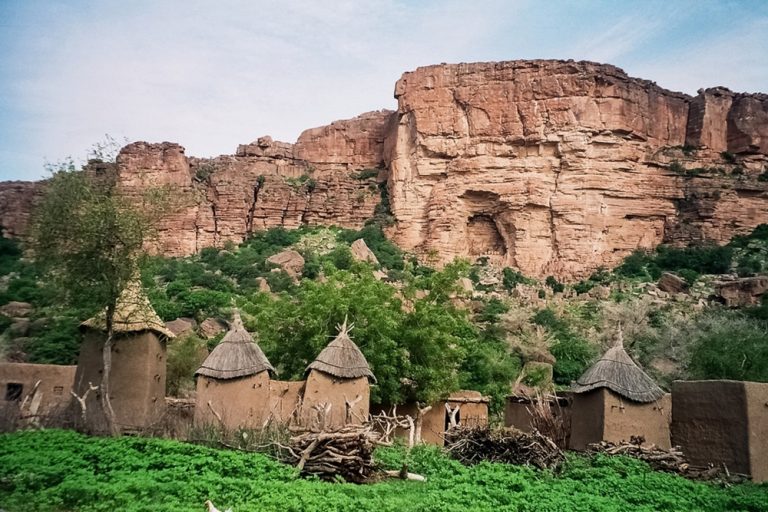
Africa is often celebrated for its vast savannahs, golden deserts, tropical beaches, and abundant wildlife.
Yet beyond these iconic landscapes lies another side of the continent that captivates adventurers and nature lovers alike, its magnificent mountains. Stretching across diverse climates and regions, Africa’s mountain destinations offer stunning scenery, rich biodiversity, cultural heritage, and unforgettable outdoor experiences.
Whether you’re an experienced mountaineer seeking challenging summits or a traveler looking for peaceful retreats surrounded by nature, Africa’s mountains provide countless opportunities for exploration. From volcanic peaks and lush rainforests to dramatic cliffs and alpine meadows, these destinations showcase the continent’s incredible geographical diversity.
This guide explores some of Africa’s most remarkable mountain destinations and explains why they deserve a place on every travel enthusiast’s bucket list.
Why Visit Africa’s Mountains?
Mountain tourism is becoming increasingly popular across Africa due to the unique experiences these destinations offer.
Visitors can enjoy:
Hiking and trekking adventures
Wildlife encounters
Cultural immersion with mountain communities
Cooler climates
Scenic photography opportunities
Camping beneath star-filled skies
Waterfalls, lakes, and forests
Wellness retreats and eco-tourism experiences
Unlike many crowded international mountain destinations, many African highlands remain peaceful and relatively untouched.
1. Mount Kilimanjaro, Tanzania
Standing at 5,895 meters (19,341 feet), Mount Kilimanjaro is Africa’s tallest mountain and one of the world’s most famous trekking destinations.
Despite its impressive height, no technical climbing skills are required on the standard routes, making it accessible to determined hikers.
Highlights
Snow-capped summit
Multiple trekking routes
Diverse climate zones
UNESCO World Heritage Site
Stunning sunrise views above the clouds
The journey to Uhuru Peak takes travelers through rainforests, moorlands, alpine deserts, and glaciers, creating one of the world’s most diverse hiking experiences.
2. Mount Kenya, Kenya
Africa’s second-highest mountain is known for its dramatic peaks, crystal-clear lakes, glaciers, and rich wildlife.
Unlike Kilimanjaro, Mount Kenya offers more technical climbing opportunities alongside scenic trekking routes.
Visitors often encounter:
Giant lobelias
Mountain antelopes
Buffalo
Rare bird species
Beautiful alpine valleys
The surrounding national park is recognized as a UNESCO World Heritage Site.
3. Rwenzori Mountains, Uganda
Often called the “Mountains of the Moon,” the Rwenzori Mountains are among Africa’s most spectacular yet least explored mountain ranges.
Unlike isolated peaks, the Rwenzoris form an extensive mountain system filled with:
Glacial valleys
Misty forests
Waterfalls
Giant heather trees
Unique alpine vegetation
The challenging trekking routes reward visitors with some of Africa’s most breathtaking scenery.
4. Simien Mountains, Ethiopia
The Simien Mountains feature towering cliffs, deep valleys, dramatic escarpments, and unique wildlife.
This UNESCO-listed region offers excellent trekking opportunities ranging from day hikes to multi-day expeditions.
Wildlife enthusiasts may spot:
Gelada baboons
Ethiopian wolves
Walia ibex
Numerous bird species
The landscape is often compared to the Grand Canyon due to its spectacular rock formations.
5. Drakensberg Mountains, South Africa and Lesotho
The Drakensberg Mountains stretch for over 1,000 kilometers and form one of Southern Africa’s most impressive landscapes.
Popular activities include:
Hiking
Rock climbing
Horse riding
Mountain biking
Bird watching
Visitors can also explore ancient San rock art sites that offer fascinating insights into Southern Africa’s indigenous history.
6. Atlas Mountains, Morocco
The Atlas Mountains create a dramatic contrast to Morocco’s deserts and bustling cities.
The region offers:
Traditional Berber villages
Snow-covered winter peaks
Scenic valleys
Waterfalls
Cultural experiences
Excellent trekking opportunities
Mount Toubkal, North Africa’s highest peak, attracts thousands of hikers each year.
7. Table Mountain, South Africa
One of the world’s most recognizable mountains, Table Mountain rises above Cape Town with its iconic flat summit.
Visitors can:
Ride the cable car
Hike various trails
Observe unique fynbos vegetation
Enjoy panoramic city views
Watch spectacular sunsets
The mountain is one of Africa’s most visited natural attractions.
Hidden Mountain Gems Across Africa
Beyond the famous peaks, Africa boasts numerous lesser-known mountain destinations that reward adventurous travelers.
Some hidden gems include:
Mount Elgon (Uganda and Kenya)
Bale Mountains (Ethiopia)
Mulanje Massif (Malawi)
Nyika Plateau (Malawi and Zambia)
Cameroon Mountain (Cameroon)
Virunga Mountains (Rwanda, Uganda, and the Democratic Republic of the Congo)
These destinations often provide quieter experiences while showcasing incredible landscapes and biodiversity.
Wildlife Found in African Mountains
Africa’s mountain ecosystems support remarkable wildlife that differs significantly from the animals found on the savannah.
Species include:
Mountain gorillas
Gelada monkeys
Ethiopian wolves
Walia ibex
Golden monkeys
Chameleons
Eagles
Rare butterflies
Forest elephants
Numerous endemic birds
Many mountain forests also play a crucial role in conserving endangered species.
Cultural Experiences in Mountain Communities
Many African mountain regions are home to communities with rich traditions and centuries-old lifestyles.
Visitors may experience:
Traditional music
Local cuisine
Handcrafted textiles
Indigenous farming techniques
Storytelling traditions
Cultural festivals
Village tours
Artisan markets
Responsible tourism helps preserve these traditions while creating economic opportunities for local residents.
Best Time to Visit
The ideal travel season depends on the destination.
Generally:
East Africa: June to October and December to February
Southern Africa: April to September
North Africa: March to May and September to November
Always check local weather conditions before planning mountain expeditions.
Essential Packing List
Mountain weather changes rapidly.
Bring:
Waterproof hiking boots
Warm clothing
Rain jacket
Sun hat
Sunscreen
Reusable water bottle
Trekking poles
First-aid kit
Headlamp
Camera
Power bank
Energy snacks
Layering clothing helps adapt to changing temperatures.
Responsible Mountain Tourism
Protecting Africa’s fragile mountain ecosystems is essential for future generations.
Travel responsibly by:
Staying on marked trails
Avoiding littering
Respecting wildlife
Supporting local guides
Choosing eco-friendly accommodations
Conserving water
Respecting local customs
Purchasing locally made products
Sustainable tourism benefits both nature and local communities.
The Growing Importance of Mountain Tourism
Mountain tourism is becoming a significant contributor to local economies across Africa.
Benefits include:
Employment opportunities
Conservation funding
Infrastructure development
Community-based tourism
Cultural preservation
Environmental awareness
As more travelers seek authentic outdoor experiences, Africa’s mountain destinations continue gaining international recognition.
Conclusion
Africa’s mountains reveal a side of the continent that many travelers have yet to discover. From the towering heights of Mount Kilimanjaro and Mount Kenya to the rugged beauty of the Simien Mountains and the cultural richness of the Atlas Mountains, these destinations combine adventure, breathtaking scenery, and deep cultural connections.
Whether your goal is conquering a famous summit, photographing dramatic landscapes, encountering rare wildlife, or simply enjoying the tranquility of high-altitude environments, Africa’s mountain destinations offer experiences unlike anywhere else. As sustainable tourism continues to grow, exploring these remarkable landscapes not only creates unforgettable memories but also supports conservation efforts and local communities across the continent.
By venturing beyond the well-known safari routes, travelers can discover the majestic peaks that truly make Africa one of the world’s most diverse and inspiring adventure destinations.