
African Foods Making Their Way Into Global Markets
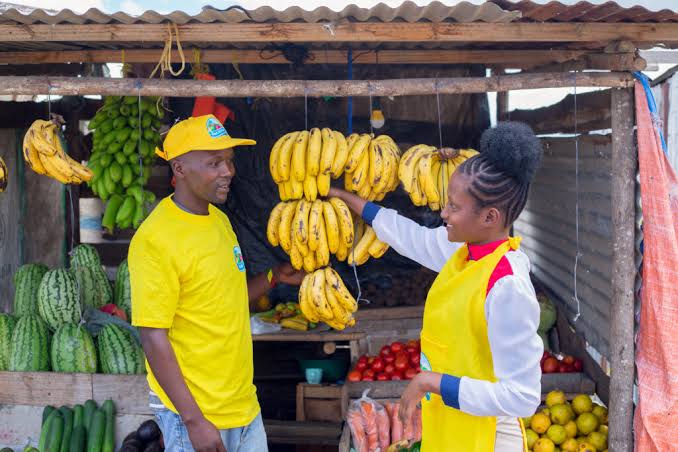
African Foods Making Their Way Into Global Markets
African Foods Making Their Way Into Global Markets
For decades, Africa has been celebrated for its rich cultural heritage, breathtaking landscapes, and incredible biodiversity. Today, another aspect of the continent is earning international recognition, its diverse and flavorful cuisine. African foods are increasingly appearing on supermarket shelves, restaurant menus, and online marketplaces across Europe, North America, Asia, and the Middle East.
Driven by globalization, changing consumer preferences, health-conscious eating habits, and the African diaspora, many traditional African foods are transforming from local staples into internationally sought-after products. This growing demand presents enormous opportunities for farmers, food processors, exporters, and entrepreneurs across the continent.
In this article, we explore the African foods gaining popularity worldwide, the reasons behind their global success, the challenges exporters face, and what the future holds for Africa’s food industry.
The Growing Global Appetite for African Cuisine
International consumers are becoming increasingly adventurous with food. Rather than relying solely on familiar cuisines, many people now seek authentic cultural experiences through cooking and dining.
Several trends have fueled interest in African foods, including:
- Growing multicultural populations
- Increased global travel
- Social media food influencers
- Health and wellness movements
- Demand for plant-based diets
- International food festivals
- African restaurants opening worldwide
As a result, foods once found only in African markets are now reaching mainstream retailers.
African Foods Gaining International Recognition
1. Fonio
Often referred to as one of Africa’s oldest grains, fonio has become popular among health-conscious consumers.
Benefits include:
- Naturally gluten-free
- Rich in amino acids
- Easy to digest
- Fast-growing crop
- Environmentally sustainable
Fonio is now sold in premium grocery stores and health food outlets in Europe and North America.
2. Teff
Originally cultivated in the Horn of Africa, teff has become a global superfood.
Its popularity comes from:
- High iron content
- Rich protein levels
- Gluten-free properties
- High fiber
- Versatility in baking
Teff flour is increasingly used in bread, pancakes, cereals, and health foods.
3. Hibiscus (Zobo/Bissap)
The bright red hibiscus flower has become a favorite ingredient in:
- Herbal teas
- Natural beverages
- Sparkling drinks
- Cocktails
- Wellness products
Consumers appreciate its refreshing taste and antioxidant properties.
4. Baobab
Known as the “Tree of Life,” baobab fruit powder has become highly valued internationally.
It contains:
- Vitamin C
- Fiber
- Calcium
- Potassium
- Antioxidants
Baobab now appears in smoothies, energy bars, supplements, yogurt, and health drinks.
5. Moringa
Moringa has emerged as one of Africa’s biggest health-food exports.
It is sold globally as:
- Powder
- Capsules
- Tea
- Skincare ingredients
- Nutritional supplements
Its nutritional profile appeals to consumers seeking natural wellness products.
6. Cassava Products
Cassava has expanded far beyond traditional uses.
Global products include:
- Cassava flour
- Tapioca starch
- Gluten-free baking flour
- Snack chips
- Frozen cassava
Demand continues to grow among gluten-sensitive consumers.
7. Shea Butter
Although widely known in cosmetics, shea butter is also entering international food markets in specialty applications.
It remains one of Africa’s largest agricultural exports because of its versatility.
8. African Coffee
Countries including Ethiopia, Uganda, Kenya, Rwanda, and Tanzania produce premium coffee beans sought after by specialty coffee roasters worldwide.
Consumers increasingly appreciate:
- Single-origin coffees
- Organic production
- Ethical sourcing
- Distinct flavor profiles
9. Cocoa Products
Africa produces a significant share of the world’s cocoa.
Increasingly, African businesses are moving beyond exporting raw cocoa by producing:
- Chocolate
- Cocoa powder
- Cocoa butter
- Premium artisan chocolate
Value addition creates more economic opportunities within producing countries.
10. African Spices
Traditional African spices are finding new audiences internationally.
Popular exports include:
- Grains of paradise
- Ethiopian spice blends
- Peri-peri seasoning
- Suya spice
- Berbere
- Dried chili blends
These spices appeal to chefs seeking bold and unique flavors.
Why Global Consumers Love African Foods
Several factors explain the growing international demand.
Health Benefits
Many African foods are naturally:
- High in nutrients
- Plant-based
- Organic
- Rich in antioxidants
- High in fiber
- Low in processing
This aligns perfectly with modern wellness trends.
Sustainability
Many traditional African crops thrive with:
- Less water
- Poor soils
- Minimal fertilizer
- Climate resilience
These characteristics make them attractive in discussions about sustainable agriculture.
Authentic Cultural Experiences
Consumers increasingly want foods that tell stories.
African ingredients often come with centuries of culinary tradition, making them appealing to food enthusiasts looking for authentic experiences.
Rise of African Restaurants
African restaurants in cities such as London, New York, Toronto, Paris, and Dubai have introduced millions of people to cuisines from across the continent.
Many diners later seek the same ingredients for home cooking.
Influence of the African Diaspora
African communities living abroad have helped sustain demand for traditional foods.
As local populations discover these ingredients through friends, neighbors, and restaurants, demand expands beyond diaspora communities.
Opportunities for African Businesses
The growing market creates exciting opportunities across the value chain.
Food Processing
Instead of exporting raw agricultural products, businesses can produce:
- Ready-to-cook meals
- Instant mixes
- Frozen foods
- Seasonings
- Healthy snacks
- Beverage concentrates
Processed products often generate higher profits.
Export Businesses
Entrepreneurs can specialize in exporting:
- Grains
- Herbs
- Beverages
- Spices
- Packaged foods
- Specialty ingredients
Growing international demand offers access to premium markets.
Organic Food Production
Organic certification allows producers to target consumers willing to pay premium prices for sustainably grown products.
E-commerce
Online marketplaces now allow African food brands to sell directly to international consumers.
This reduces reliance on traditional distribution channels.
Challenges Facing African Food Exports
Despite growing demand, several obstacles remain.
Quality Standards
Export markets often require strict compliance regarding:
- Food safety
- Packaging
- Traceability
- Hygiene
- Product labeling
Meeting these standards requires investment.
Infrastructure
Poor transportation systems can delay deliveries and increase costs.
Reliable cold-chain logistics are particularly important for perishable products.
Limited Processing Capacity
Many countries still export raw commodities instead of finished products, limiting revenue potential.
Expanding local processing facilities could significantly increase export earnings.
Branding
Many international consumers recognize the product but not its African origin.
Improved branding can strengthen Africa’s identity in global food markets.
Governments Supporting Food Exports
Many African governments are promoting agricultural exports through:
- Export incentives
- Agricultural modernization
- Food certification programs
- Trade agreements
- Investment in processing facilities
- Support for smallholder farmers
Regional trade initiatives are also strengthening intra-African commerce while opening pathways to international markets.
The Future of African Foods
The future looks promising.
Several trends are expected to continue:
- Rising demand for plant-based foods
- Growth of health-conscious consumers
- Expansion of African-owned food brands
- Increased investment in food processing
- Greater global recognition of African cuisine
- Improved agricultural innovation
- Sustainable farming practices
As African entrepreneurs invest in quality, branding, and innovation, more products are likely to gain shelf space in major international retailers.
Conclusion
African foods are no longer hidden culinary treasures known only within local communities. From nutrient-rich grains like fonio and teff to superfoods such as baobab and moringa, the continent’s agricultural diversity is attracting worldwide attention. Consumers are embracing African ingredients for their nutritional value, unique flavors, and cultural significance.
For African farmers, exporters, and food entrepreneurs, this growing demand represents an opportunity to create jobs, increase exports, and add value through processing and branding. While challenges such as infrastructure, certification, and market access remain, continued investment and innovation can help African food businesses compete successfully on the global stage.
As the world becomes more connected and consumers continue exploring new cuisines, African foods are well positioned to become an even more influential part of global food culture, showcasing the continent’s rich culinary heritage while contributing to sustainable economic growth.




Leave a reply





Africa’s Source for Breaking News | Entertainments | Health | Finance | Sports | Lifestyle and Business News.


