
Strengthening Trust in Relationships
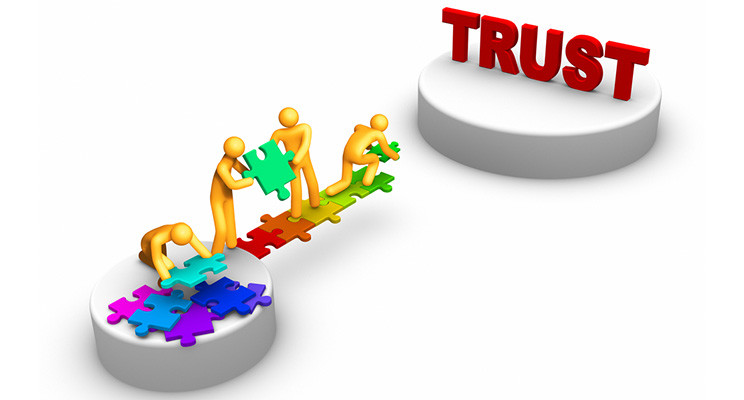
Strengthening Trust in Relationships
Trust is one of the strongest foundations of a healthy relationship.
Whether the relationship involves romantic partners, friends, family members, or colleagues, people need to feel safe, respected, and valued. Without trust, even small misunderstandings can become major sources of conflict.
However, trust does not develop overnight. It grows through consistent actions, honest communication, reliability, and mutual respect. When trust has been damaged, rebuilding it can take even more patience.
What Does Trust Mean in a Relationship?
Trust means believing that another person is dependable, honest, and genuinely concerned about your well-being. It creates a sense of emotional security that allows people to communicate openly without constantly fearing rejection, betrayal, or judgment.
In a romantic relationship, trust may involve being confident that your partner will respect boundaries and remain honest. In friendships, it can mean knowing that a friend will keep private matters confidential. Within families, trust often develops when people feel supported and accepted.
Therefore, trust looks different in every relationship. Nevertheless, the basic principle remains the same: people feel secure when words and actions consistently match.
Why Trust Is Important
A relationship without trust can become emotionally exhausting. One person may constantly question the other person’s intentions, while the other may feel pressured to prove themselves repeatedly.
Strong trust, on the other hand, makes relationships more stable.
Trust Encourages Open Communication
When people trust each other, they are more comfortable discussing difficult subjects. They can express their concerns, needs, fears, and expectations without immediately expecting an argument.
This openness can prevent small problems from becoming larger conflicts.
Trust Creates Emotional Safety
Emotional safety allows people to be vulnerable. Someone who feels trusted is more likely to share personal experiences and admit when they are struggling.
As a result, partners and friends can understand each other on a deeper level.
Trust Reduces Unnecessary Suspicion
Healthy relationships do not require constant monitoring. When trust exists, people can maintain individual friendships, responsibilities, hobbies, and personal interests without creating unnecessary suspicion.
That freedom can strengthen the relationship rather than weaken it.
Ways to Strengthen Trust
Trust is built through everyday behaviour. Grand promises may sound convincing, but consistent actions usually have a greater impact.
1. Be Honest
Honesty is essential for developing trust. Even uncomfortable truths are usually healthier than repeated lies.
Being honest does not mean being unnecessarily harsh. Instead, communicate difficult information with sensitivity and respect.
For example, if something has changed in your feelings or circumstances, discussing it openly gives the other person an opportunity to understand what is happening.
2. Keep Your Promises
Reliability communicates commitment. When you say you will do something, make a genuine effort to follow through.
Repeatedly making promises and failing to keep them can gradually weaken confidence in the relationship.
If circumstances prevent you from keeping a promise, communicate early rather than disappearing or making excuses.
3. Communicate Clearly
Many trust problems begin with assumptions. One person expects something, while the other person does not realize it.
Clear communication can reduce this problem. Talk about expectations, boundaries, responsibilities, and concerns before they become major sources of resentment.
Ask questions when something is unclear instead of immediately assuming the worst.
4. Respect Boundaries
Trust does not mean having unlimited access to another person’s life.
Healthy relationships allow individuals to have reasonable boundaries. These may involve personal space, friendships, communication preferences, finances, work, or private conversations.
Respecting boundaries demonstrates that you value the other person’s independence as well as the relationship itself.
5. Admit Your Mistakes
Nobody handles every situation perfectly. When you make a mistake, acknowledge it rather than immediately becoming defensive.
A sincere apology should involve more than saying, “I’m sorry.” It should recognize the impact of the behaviour and, where possible, demonstrate a willingness to make a change.
Taking responsibility can prevent resentment from growing.
6. Listen Without Immediately Judging
Trust becomes stronger when people feel heard.
When someone shares a concern, resist the temptation to interrupt, dismiss their feelings, or immediately defend yourself. Listen carefully and try to understand what they are communicating.
You do not necessarily have to agree with everything someone says. However, showing that you are willing to listen demonstrates respect.
7. Be Consistent
Consistency is one of the most powerful ways to build trust.
A person who is kind one day and dismissive the next may create uncertainty. Similarly, someone who communicates openly during peaceful periods but becomes secretive during conflict can make the relationship feel unstable.
Small, dependable actions repeated over time create a stronger sense of security.
Rebuilding Trust After It Has Been Broken
Sometimes trust is damaged by dishonesty, infidelity, broken promises, secrecy, financial problems, or repeated disappointment. Rebuilding it is possible in some relationships, but it requires genuine effort from the people involved.
The first step is acknowledging what happened. Avoiding the issue rarely makes the damage disappear.
Next, the person responsible for the breach needs to take responsibility. Blaming the other person or minimizing the situation can make healing more difficult.
The next stage involves changed behaviour. Promises alone cannot rebuild damaged trust. The injured person needs to see consistent actions that demonstrate accountability.
Finally, both people need patience. Trust may return gradually rather than immediately. Pressuring someone to “move on” before they feel ready can create additional emotional distance.
Avoid Using Control as a Substitute for Trust
When trust has been damaged, people sometimes attempt to create security through control. They may demand constant updates, inspect private messages, restrict friendships, or monitor someone’s movements.
Although these behaviours may temporarily reduce anxiety, they do not necessarily create genuine trust.
Healthy trust comes from voluntary honesty and consistent respect. A relationship should not require one person to surrender all privacy simply to make the other person feel secure.
Trust Requires Mutual Effort
Trust cannot be sustained by one person alone. Both individuals need to contribute to a healthy relationship. One person can communicate honestly, but the other must also be willing to listen. One person can respect boundaries, while the other must communicate those boundaries clearly.
Mutual effort creates a healthier dynamic because both people understand that maintaining trust is a shared responsibility.
Small Actions Can Make a Big Difference
Strengthening trust does not always require dramatic gestures. Simple behaviours can have a lasting impact.
Keeping someone’s confidence, arriving when you said you would, checking in during a difficult period, acknowledging their feelings, and following through on responsibilities can all communicate reliability.
Over time, these small actions create a pattern. That pattern becomes the foundation upon which deeper trust can grow.
When Professional Support May Help
Some relationship problems are difficult to resolve without outside support. If repeated conflicts, betrayal, communication problems, or unresolved resentment continue despite sincere efforts, speaking with a qualified relationship counsellor or therapist may be helpful.
Professional support can provide a structured environment where both people can communicate more effectively and understand the underlying issues affecting the relationship.
Seeking help is not necessarily a sign that a relationship has failed. In many cases, it shows that the people involved are willing to work toward healthier patterns.
Final Thoughts
Strengthening trust in relationships requires honesty, patience, consistency, communication, and respect. Trust is not simply something people promise to give; it is something they demonstrate through their everyday choices.
Mistakes can happen, and some relationships may experience serious breaches of trust. Nevertheless, when both people are willing to communicate openly, take responsibility, respect boundaries, and make meaningful changes, trust can become stronger over time.
Ultimately, a trustworthy relationship is not one where problems never occur. It is one where people can face problems with honesty, accountability, compassion, and a genuine commitment to doing better.




Leave a reply







Africa’s Source for Breaking News | Entertainments | Health | Finance | Sports | Lifestyle and Business News.


