
Exploring Africa’s Volcanic Landscapes
Exploring Africa's Volcanic Landscapes
Exploring Africa’s Volcanic Landscapes: Fire, Beauty, and Natural Wonder
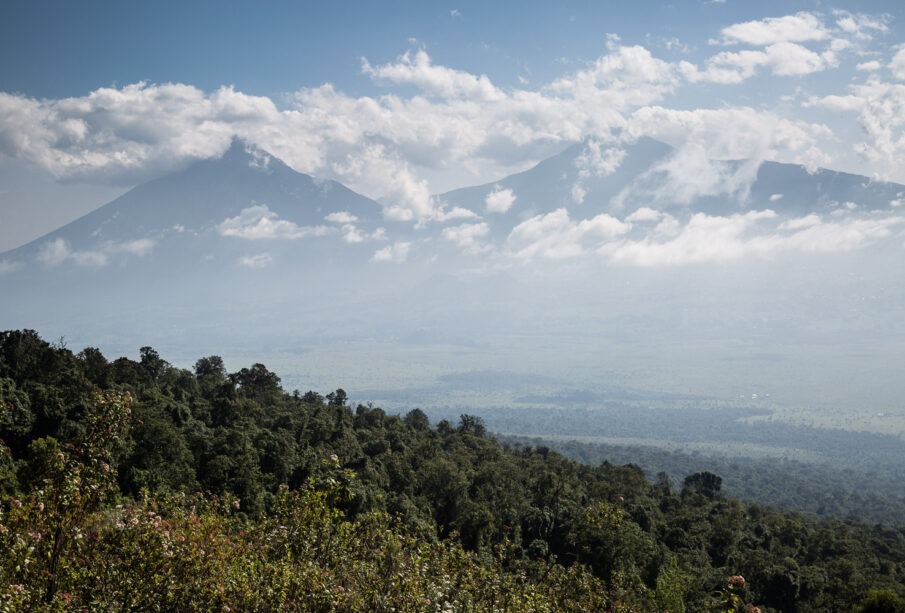
Africa is often celebrated for its vast deserts, sprawling savannas, tropical rainforests, and spectacular wildlife. However, another remarkable feature shapes the continent’s geography and history, its volcanic landscapes. From towering active volcanoes to ancient lava fields and breathtaking crater lakes, Africa’s volcanic regions offer some of the world’s most dramatic natural scenery.
These volcanic landscapes are more than geological attractions. They support unique ecosystems, provide fertile farmland, attract tourists, generate renewable energy, and preserve valuable clues about Earth’s history. While some volcanoes remain active and potentially dangerous, many have become symbols of resilience, biodiversity, and natural beauty.
This article explores Africa’s volcanic landscapes, highlighting their formation, famous volcanoes, ecological importance, economic value, and the challenges involved in living alongside these powerful natural features.
Understanding Africa’s Volcanic Origins
Africa’s volcanic activity is closely linked to the East African Rift System, one of the planet’s largest geological fault systems. This massive rift stretches thousands of kilometers from the Red Sea through countries such as Ethiopia, Kenya, Uganda, Rwanda, Tanzania, and Mozambique.
As the Earth’s tectonic plates gradually pull apart, magma rises toward the surface. Over millions of years, this process has created mountains, volcanic cones, lava plateaus, hot springs, crater lakes, and geothermal fields.
Although volcanic activity occurs in several parts of Africa, East and Central Africa contain the continent’s highest concentration of volcanoes.
The Great Rift Valley: Africa’s Geological Masterpiece
The Great Rift Valley is one of Earth’s most extraordinary geological features. Its volcanic history has shaped landscapes that attract scientists, photographers, and travelers from around the world.
Visitors can find:
- Massive volcanic mountains
- Deep valleys
- Steam vents and hot springs
- Colorful mineral lakes
- Ancient lava flows
- Crater lakes rich in biodiversity
The Rift Valley also contains some of the world’s earliest archaeological discoveries, linking volcanic activity with important chapters in human evolution.
Mount Kilimanjaro: Africa’s Highest Peak
Standing at 5,895 meters above sea level, Mount Kilimanjaro in Tanzania is Africa’s tallest mountain and one of the world’s most famous dormant volcanoes.
Kilimanjaro consists of three volcanic cones:
- Kibo
- Mawenzi
- Shira
Although dormant today, Kilimanjaro was formed through repeated volcanic eruptions over hundreds of thousands of years.
Its snow-capped summit contrasts dramatically with surrounding grasslands, forests, and agricultural communities. Climbers experience several climate zones during a single ascent, making it one of the world’s most unique trekking destinations.
Mount Nyiragongo: One of the World’s Most Active Volcanoes
Located in the Democratic Republic of the Congo, Mount Nyiragongo is famous for its massive lava lake, one of only a few permanent lava lakes on Earth.
Nyiragongo has erupted numerous times throughout modern history. Its lava flows are exceptionally fast because the lava contains unusually low levels of silica.
Despite the risks, the volcano attracts adventurous tourists and scientists eager to witness one of nature’s most spectacular displays of volcanic activity.
Mount Nyamuragira: Africa’s Most Active Volcano
Often overshadowed by neighboring Nyiragongo, Mount Nyamuragira is actually one of Africa’s most active volcanoes.
Its frequent eruptions continually reshape the surrounding landscape by creating fresh lava fields and new volcanic formations. The volcano lies within Virunga National Park, home to endangered mountain gorillas and remarkable biodiversity.
The Virunga Mountains
Stretching across Rwanda, Uganda, and the Democratic Republic of the Congo, the Virunga Mountains form a chain of volcanic peaks that support one of Africa’s richest ecosystems.
These mountains are famous for:
- Mountain gorillas
- Golden monkeys
- Dense bamboo forests
- Rare bird species
- Spectacular hiking trails
The volcanic soils have also encouraged agriculture, allowing nearby communities to grow crops successfully.
Ethiopia’s Fiery Danakil Depression
The Danakil Depression is among the hottest and most geologically active places on Earth.
Its volcanic landscape features:
- Boiling hydrothermal pools
- Brightly colored mineral deposits
- Sulfur springs
- Salt flats
- Active volcanic vents
Scientists study the region because its extreme conditions resemble environments that may exist on other planets, making it valuable for astrobiological research.
Crater Lakes: Hidden Gems of Volcanic Africa
Many extinct volcanoes have evolved into beautiful crater lakes over thousands of years.
Some of Africa’s most impressive crater lakes can be found in:
- Uganda
- Cameroon
- Kenya
- Ethiopia
These lakes support fisheries, attract tourists, and create habitats for birds, fish, and other wildlife.
Some crater lakes also have unique chemical compositions that require careful scientific monitoring.
Fertile Soils Created by Volcanoes
Although volcanic eruptions can be destructive, they eventually produce some of the world’s richest agricultural soils.
Across volcanic regions of Africa, farmers successfully cultivate:
- Coffee
- Bananas
- Tea
- Potatoes
- Maize
- Vegetables
Countries such as Rwanda, Kenya, Uganda, Ethiopia, and Tanzania benefit significantly from volcanic soils that improve crop yields and support rural livelihoods.
Wildlife Flourishing on Volcanic Landscapes
Volcanic regions often become biodiversity hotspots because of their varied elevations, climates, and vegetation.
Animals commonly found around Africa’s volcanic mountains include:
- Mountain gorillas
- Forest elephants
- Antelopes
- Buffalo
- Leopards
- Numerous bird species
- Reptiles and amphibians
Protected parks surrounding volcanic areas play a crucial role in conserving these ecosystems.
Tourism and Adventure Opportunities
Africa’s volcanic landscapes attract millions of visitors seeking unforgettable outdoor experiences.
Popular activities include:
- Mountain climbing
- Volcano trekking
- Wildlife safaris
- Photography
- Camping
- Birdwatching
- Geological tours
- Cultural tourism
Tourism creates employment opportunities for local guides, accommodation providers, transport operators, and conservation organizations.
Geothermal Energy: Harnessing Earth’s Heat
Volcanic regions offer enormous geothermal energy potential.
Countries such as Kenya have invested heavily in geothermal power generation by using underground heat to produce electricity.
The benefits include:
- Renewable energy
- Reduced greenhouse gas emissions
- Reliable electricity generation
- Lower dependence on fossil fuels
As demand for clean energy grows, geothermal development is expected to expand across volcanic regions of Africa.
Living with Active Volcanoes
Communities living near active volcanoes face unique challenges.
Potential hazards include:
- Lava flows
- Ash fall
- Toxic gases
- Earthquakes
- Landslides
- Damage to homes and infrastructure
Governments and scientists continuously monitor volcanic activity using satellites, seismic equipment, drones, and ground observations to improve early warning systems and disaster preparedness.
Climate and Water Resources
Volcanic mountains influence local weather by capturing moisture and creating cooler climates at higher elevations.
These mountains often serve as important water towers, supplying rivers, lakes, and underground aquifers that support millions of people.
Healthy volcanic forests also help reduce soil erosion, regulate water flow, and store significant amounts of carbon.
Conservation Challenges
Despite their importance, Africa’s volcanic landscapes face growing environmental pressures.
Major threats include:
- Deforestation
- Illegal mining
- Climate change
- Population growth
- Unsustainable farming
- Wildlife poaching
Conservation efforts require cooperation among governments, local communities, researchers, and international organizations to protect these valuable environments.
Scientific Importance
Africa’s volcanoes continue to provide valuable insights into Earth’s geological processes.
Researchers study volcanic rocks, lava flows, gas emissions, and seismic activity to better understand:
- Plate tectonics
- Earth’s interior
- Climate history
- Natural hazards
- Ecosystem development
These studies also improve volcanic forecasting, helping communities prepare for future eruptions.
The Future of Africa’s Volcanic Landscapes
Africa’s volcanic regions will continue to shape the continent’s environment, economy, and scientific discoveries. Sustainable tourism, responsible conservation, improved disaster preparedness, and renewable energy development can help maximize their benefits while reducing associated risks.
As technology advances, scientists will gain even deeper insights into these dynamic landscapes, ensuring they remain both protected and appreciated for generations to come.
Conclusion
Africa’s volcanic landscapes reveal the incredible forces that continue to shape our planet. From the snow-covered summit of Mount Kilimanjaro to the glowing lava lake of Mount Nyiragongo and the colorful geothermal fields of the Danakil Depression, these natural wonders combine beauty, power, and scientific significance.
Beyond their dramatic appearance, volcanic regions provide fertile farmland, clean energy opportunities, thriving wildlife habitats, and unforgettable travel experiences. They remind us that even the most destructive natural forces can create environments rich in life and opportunity. By protecting these remarkable landscapes and supporting sustainable development, Africa can continue to showcase one of its most extraordinary geological treasures to the world.

Leave a reply




Africa’s Source for Breaking News | Entertainments | Health | Finance | Sports | Lifestyle and Business News.


