
Nature’s Most Fascinating Adaptations
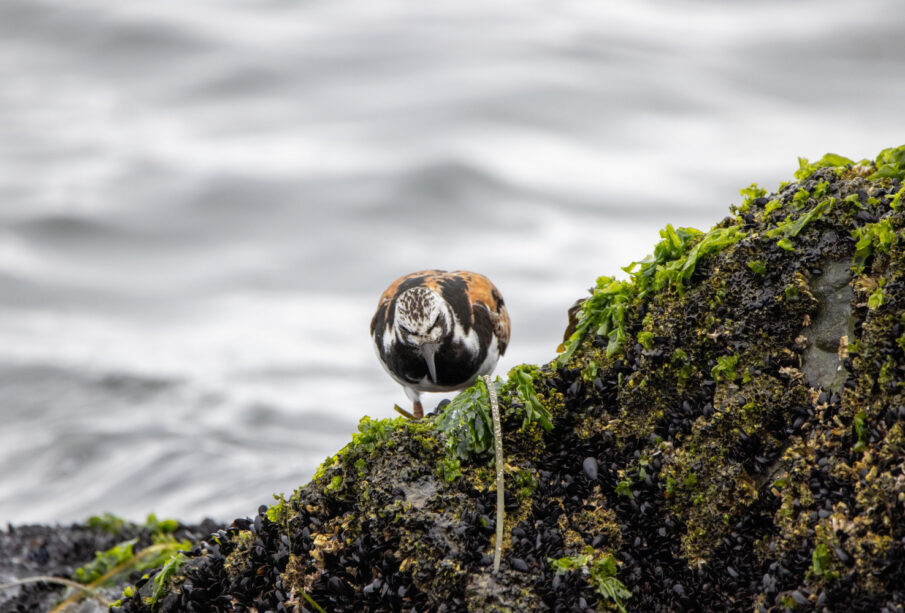
Nature is a master inventor. Across millions of years, living organisms have evolved remarkable traits that allow them to survive, thrive, and outcompete rivals in some of the harshest environments on Earth.
These adaptations, ranging from physical features to complex behaviors, are powerful examples of the process known as Natural Selection, where advantageous traits become more common over generations. Exploring these fascinating adaptations not only deepens our understanding of life but also inspires innovation in science and technology.
Camouflage: The Art of Disappearing
One of the most widespread survival strategies in nature is camouflage. Animals like the Chameleon can change their skin color to blend into their surroundings, making it difficult for predators to spot them. Similarly, the Arctic Fox changes its fur from brown in summer to white in winter, seamlessly matching snowy landscapes. This ability not only helps in avoiding danger but also aids predators in sneaking up on prey.
Mimicry: Deception for Survival
While camouflage helps organisms hide, mimicry allows them to deceive. A classic example is the Viceroy Butterfly, which closely resembles the toxic Monarch Butterfly. Predators that have had unpleasant experiences with monarchs tend to avoid viceroys as well, even though they are less harmful. This clever trick reduces the chances of being eaten without requiring actual toxicity.
Extreme Resilience: Life in Harsh Conditions
Some organisms thrive in environments that would be deadly to most forms of life. The Tardigrade, also known as the “water bear,” can survive extreme temperatures, radiation, and even the vacuum of space. It enters a state called cryptobiosis, effectively shutting down its metabolism until conditions improve. Such resilience challenges our understanding of the limits of life.
Specialized Feeding: Perfectly Designed Tools
Many species have evolved highly specialized body parts to suit their diets. The Hummingbird has a long, slender beak and a rapid wingbeat, allowing it to hover while feeding on nectar from flowers. On the other hand, the Anteater uses its elongated snout and sticky tongue to extract ants and termites from deep within nests. These adaptations reduce competition by enabling species to exploit unique food sources.
Defensive Mechanisms: Protection at All Costs
Survival often depends on the ability to defend against threats. The Porcupine uses sharp quills to deter predators, while the Skunk releases a powerful, foul-smelling spray when threatened. Meanwhile, some species rely on chemical warfare—certain frogs, for example, produce toxins that can be lethal to predators.
Behavioral Adaptations: Intelligence in Action
Not all adaptations are physical. Many animals exhibit behaviors that enhance survival. The Emperor Penguin forms tightly packed groups during freezing winters, sharing body heat to endure extreme cold. Similarly, wolves hunt in coordinated packs, increasing their chances of capturing prey much larger than themselves. These behaviors highlight the role of cooperation and intelligence in evolution.
Regeneration: The Power to Renew
Some organisms possess the incredible ability to regenerate lost body parts. The Axolotl can regrow entire limbs, spinal cord segments, and even parts of its heart and brain. This remarkable adaptation has captured the interest of scientists studying tissue regeneration and medical applications.
Conclusion
Nature’s adaptations are as diverse as life itself. From invisibility through camouflage to near-indestructibility in extreme environments, these traits demonstrate the ingenuity of evolution. Ultimately, studying these fascinating adaptations not only reveals how life persists against the odds but also provides valuable insights that can influence human innovation—from medicine to engineering. Nature, it seems, is not just a source of beauty, but also an endless well of inspiration.



Leave a reply






Africa’s Source for Breaking News | Entertainments | Health | Finance | Sports | Lifestyle and Business News.


