HOME
        NEWS AFRICA
        ENTERTAINMENT
        BUSINESS NEWS
        HEALTH NEWS
        TECHNOLOGY
        RELATIONSHIP
        PERSONAL DEVELOPMENT        
           

Food Processing Innovations Creating Jobs in Africa
0
Food Processing Innovations Creating Jobs in Africa

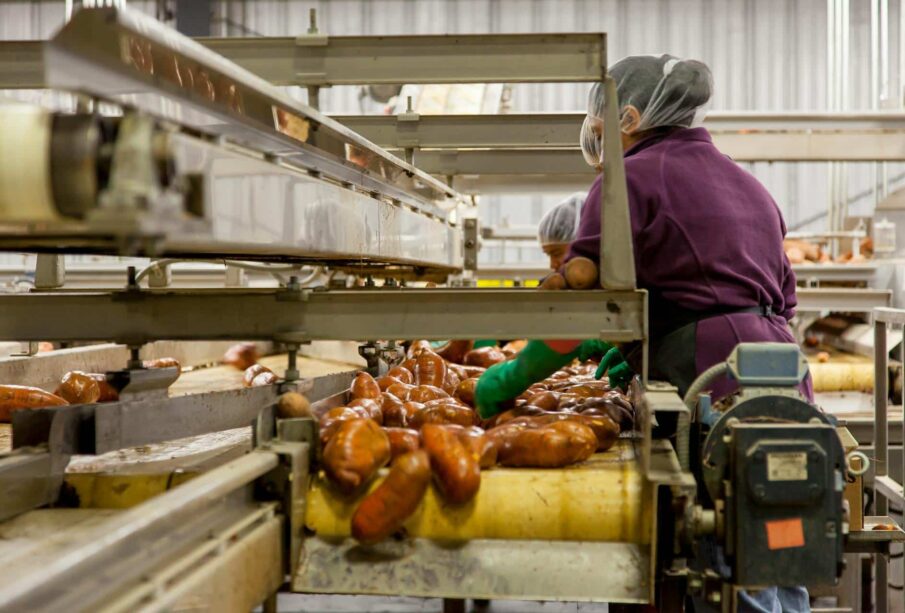
Africa’s food industry is changing as entrepreneurs, farmers, and manufacturers find new ways to process locally grown agricultural products.

From turning cassava into packaged flour to producing fruit juices, vegetable oils, and ready-to-eat meals, food processing innovations are creating employment opportunities across the continent.

Agriculture remains an important source of income for millions of African households. However, producing crops alone does not capture their full economic value. Processing agricultural products into finished or semi-finished goods can increase their market value, reduce post-harvest losses, and create jobs for people with different skills.

As African countries seek to strengthen local manufacturing and improve food security, food processing offers opportunities for entrepreneurs, young people, women, and rural communities.

What Is Food Processing Innovation?

Food processing innovation involves introducing new technologies, techniques, equipment, or business models to transform raw agricultural products into safer, more convenient, and more valuable food products.

These innovations range from simple improvements in drying and storage to advanced technologies such as automated packaging, solar-powered refrigeration, and digital systems for managing production.

For example, a farmer who sells fresh tomatoes may earn additional income by supplying a processor that produces tomato paste, puree, or packaged sauces. The processor, in turn, creates opportunities for machine operators, quality-control workers, packaging staff, marketers, and distribution businesses.

Food processing innovations do not always require expensive machinery. Small businesses can also create jobs by adopting improved preservation methods, efficient production techniques, and better packaging systems.

1. Cassava Processing Creates Opportunities for Rural Communities

Value-Added Agriculture: Turning Crops into High-Value Goods

Cassava is an important food crop in several African countries, including Nigeria, Ghana, and the Democratic Republic of the Congo. Although many households consume it in traditional forms, processing can expand its uses in food manufacturing and other industries.

Modern cassava processing converts the crop into products such as high-quality cassava flour, garri, starch, and industrial-grade flour.

These activities create employment at different stages of the value chain. Farmers supply fresh cassava, transporters move harvested roots, and processing facilities employ workers to peel, grate, dry, mill, and package the products.

Improved equipment can also help small processors increase production while maintaining consistent quality.

In Nigeria, for instance, businesses that process cassava into flour can supply bakeries and food manufacturers. This creates opportunities for local suppliers and skilled workers while strengthening connections between farmers and commercial buyers.

2. Fruit and Vegetable Processing Reduces Waste

President of Swiss Confederation visits HPW Fresh and Dry Ltd  - Graphic Online

Many African communities produce mangoes, pineapples, oranges, bananas, tomatoes, and leafy vegetables. Unfortunately, some produce spoils before reaching consumers because of inadequate storage, transportation difficulties, and seasonal oversupply.

Food processing provides a way to preserve these products and create additional sources of income.

Businesses can transform surplus fruits into juices, jams, dried snacks, concentrates, and fruit powders. Similarly, processors can turn tomatoes into paste and sauces or preserve vegetables for longer storage.

These activities create jobs for fruit collectors, production assistants, machine operators, packaging workers, laboratory technicians, and sales representatives.

Small-scale fruit drying businesses are particularly accessible to entrepreneurs who cannot immediately afford large factories. With suitable drying equipment, hygienic preparation areas, and appropriate packaging, they can produce dried fruit for local shops, supermarkets, hotels, and online customers.

By extending the useful life of agricultural produce, processors can also reduce losses during periods of peak harvest.

3. Solar-Powered Processing Expands Rural Employment

Solar drying hubs | EarthGuard Innovations

Unreliable electricity and high energy costs can make food processing difficult for businesses in rural areas. Solar-powered equipment offers an alternative for selected processing activities.

Solar dryers, for example, can help processors dry fish, grains, spices, fruits, and vegetables. Solar-powered cold rooms can also help preserve perishable products when properly designed and maintained.

These technologies create employment beyond food production itself. Businesses need technicians to install and maintain equipment, workers to operate processing facilities, and entrepreneurs to manage the resulting products.

Solar-powered processing can also help women-led cooperatives and rural enterprises operate closer to farms. This reduces the need to transport fresh produce over long distances before processing.

However, the benefits depend on equipment capacity, weather conditions, maintenance costs, and the type of food being processed. Some products still require reliable backup power or specialised temperature control.

4. Modern Grain Milling Supports Food Manufacturing

Grains such as maize, millet, sorghum, and rice are important ingredients in African diets. Modern milling technologies help businesses convert these crops into flour, meal, breakfast products, and other ingredients.

Small and medium-sized grain mills can serve local households, restaurants, bakeries, and food manufacturers. As demand grows, these businesses may employ additional machine operators, maintenance workers, packaging staff, and distribution personnel.

Improved milling and sorting equipment can also help processors achieve more consistent product quality.

For example, a small enterprise that purchases maize from local farmers can mill it into packaged flour for retail sale. The business may later expand into producing fortified flour or convenient porridge mixes.

Such expansion creates opportunities in food science, product development, packaging design, marketing, and retail distribution.

5. Food Packaging Innovations Create New Jobs

Processing is only one part of the food manufacturing process. Packaging also plays an important role in protecting food, extending shelf life where appropriate, and helping products reach consumers in good condition.

African food businesses increasingly need packaging solutions that suit local markets, transportation conditions, and consumer preferences.

Innovations include improved moisture-resistant packaging, resealable pouches, portion-controlled packs, and packaging materials designed to reduce food spoilage.

This demand creates work for packaging designers, printing businesses, machine operators, quality inspectors, and suppliers of packaging materials.

Small food manufacturers can also benefit from better labelling. Clear information about ingredients, production dates, storage instructions, and shelf life helps consumers understand how to handle products safely.

Nevertheless, businesses must balance packaging costs with product affordability and consider the environmental impact of disposable materials.

6. Digital Technology Is Improving Food Processing

Digital tools are helping food processors manage production, monitor stock, and respond to changes in demand.

For example, inventory software can help a business track raw materials and finished products. Digital temperature sensors can monitor cold storage, while production records can help managers identify waste and improve consistency.

Some businesses also use online platforms to connect with farmers, purchase ingredients, receive orders, and distribute finished products.

These changes create demand for workers with skills in data entry, digital marketing, inventory management, equipment monitoring, and business administration.

Digital technology can also help small processors identify which products sell well and plan production around customer demand.

However, businesses need affordable tools, reliable connectivity, and staff training to use these systems effectively.

7. Fish and Meat Processing Creates Value Along the Supply Chain

In The Gambia's mangrove communities, female fishers are receiving training in improved fish smoking techniques and collaborative resource management

Fish and meat processing provide additional employment opportunities, especially in communities with strong fishing, livestock, and poultry industries.

Improved smoking kilns, refrigeration, hygienic cutting facilities, and suitable packaging can help businesses preserve products and reach more customers.

For example, fish processors can use improved smoking equipment to produce more consistent products for retailers and restaurants. Meat processors can supply properly handled and packaged products to supermarkets, hotels, and food service businesses.

These operations create work for fishers, livestock farmers, processors, cold-chain operators, food safety personnel, and delivery companies.

Food safety must remain a priority. Meat and fish businesses require suitable temperatures, clean equipment, proper handling procedures, and compliance with applicable regulations.

When businesses meet these requirements, they can improve product quality and build trust with customers.

8. Women and Young Entrepreneurs Can Benefit From Food Processing

Food processing can provide opportunities for women and young people who want to establish businesses or develop practical skills.

Many entry-level food enterprises operate on a relatively small scale. Examples include spice blending, grain milling, producing packaged snacks, drying fruits, making nut pastes, and processing local vegetables.

Entrepreneurs can start with a limited range of products and expand as they develop reliable suppliers and customers.

Training programmes can also prepare young people for employment in machine operation, food safety, product development, packaging, and production management.

For women-led businesses, access to affordable finance, suitable equipment, shared processing facilities, and dependable markets can make a significant difference.

Cooperatives and community processing centres can reduce the cost of accessing machinery. Instead of purchasing expensive equipment individually, several entrepreneurs can share facilities and pay for the services they use.

Still, these opportunities are not automatic. Entrepreneurs need business planning, market research, working capital, and the ability to meet food safety requirements.

9. Challenges Facing Africa’s Food Processing Industry

Despite its potential, food processing faces several obstacles across African markets.

High equipment costs: Modern machinery can require substantial upfront investment, making it difficult for small businesses to expand.

Unreliable electricity: Power interruptions and expensive fuel can increase operating costs and reduce production.

Limited access to finance: Entrepreneurs may struggle to secure affordable loans for equipment, storage facilities, and raw materials.

Inconsistent raw material supply: Seasonal production, changing weather patterns, and weak links between farmers and processors can disrupt manufacturing.

Food safety and quality requirements: Businesses need appropriate facilities, trained workers, and reliable quality-control systems.

Market access: Small processors may find it difficult to compete with established brands or secure space in major retail outlets.

Addressing these barriers requires cooperation between governments, financial institutions, agricultural organisations, training providers, and private businesses.

10. How Governments and Businesses Can Support Job Creation

African governments and private-sector organisations can encourage food processing through practical measures.

  • Improve access to finance: Affordable loans and equipment-leasing arrangements can help small processors acquire suitable machinery.

  • Develop shared processing centres: Community facilities can provide access to milling, drying, packaging, and storage equipment.

  • Strengthen technical training: Vocational programmes should teach machine operation, food safety, equipment maintenance, and production management.

  • Improve infrastructure: Reliable electricity, roads, water supplies, and cold-storage facilities can reduce operating costs.

  • Connect farmers with processors: Contract farming, cooperatives, and reliable purchasing agreements can help businesses obtain consistent supplies.

  • Support local brands: Trade fairs, retail partnerships, and online marketplaces can help locally processed products reach new customers.

These measures can help businesses grow beyond informal, small-scale production and develop more stable employment opportunities.

Conclusion

Food processing innovations offer African countries an opportunity to create jobs while adding value to local agricultural products. From cassava flour and dried fruit to modern grain milling, packaged foods, and improved fish preservation, these activities connect farming with manufacturing, technology, logistics, and retail.

The employment benefits extend beyond factory floors. Farmers gain potential buyers, transporters move more goods, technicians maintain equipment, and entrepreneurs develop new products for local and international markets.

However, sustainable job creation depends on more than introducing machinery. Businesses also need reliable electricity, access to finance, trained workers, consistent raw materials, and customers willing to buy their products.

By investing in these areas, African communities can strengthen local food industries, reduce avoidable agricultural losses, and create more opportunities for young people and small businesses.

The future of food processing in Africa will depend on how effectively entrepreneurs, governments, and communities turn agricultural resources into safe, affordable, and marketable products.

Leave a reply