
Africa’s Most Influential Cultural Movements
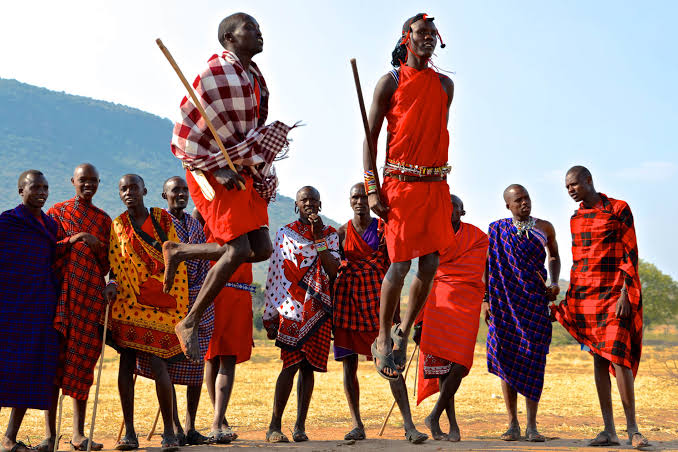
Africa's Most Influential Cultural Movements
Africa’s cultural history reflects centuries of creativity, resistance, innovation, and social transformation.
Across the continent, cultural movements have shaped how people express their identities, challenge authority, preserve traditions, and engage with the wider world. From the independence movements of the 20th century to the global popularity of Afrobeats, African cultural movements continue to influence music, fashion, literature, art, politics, and everyday life.
These movements often emerge in response to historical events, social inequalities, political struggles, or changing lifestyles. Some revive traditional practices, while others introduce new forms of expression that challenge established norms. Together, they demonstrate Africa’s ability to preserve its heritage while embracing new ideas.
Here are some of the most influential cultural movements that have shaped Africa and extended its influence beyond the continent.
1. The Negritude Movement
The Negritude movement emerged during the 1930s among Black intellectuals and writers living in Paris. Its leading figures included Aimé Césaire from Martinique, Léopold Sédar Senghor from Senegal, and Léon-Gontran Damas from French Guiana.
The movement developed in response to colonial racism and the widespread belief that European culture was superior to African traditions. Its supporters celebrated Black identity, African heritage, indigenous knowledge, and cultural expression.
Through poetry, essays, and political thought, Negritude encouraged people of African descent to embrace their identities rather than feel pressured to imitate European society.
Although critics have questioned some of its ideas about African identity, Negritude played an important role in shaping African literature, anti-colonial thought, and the broader struggle for cultural recognition.
2. The Pan-African Movement
Pan-Africanism promotes solidarity among African peoples and people of African descent around the world. It emerged from efforts to confront slavery, colonialism, racial discrimination, and political exclusion.
Figures such as W. E. B. Du Bois, Marcus Garvey, Kwame Nkrumah, and George Padmore helped advance Pan-African ideas through political activism, intellectual work, and international conferences.
The movement gained momentum during the struggle for African independence. Leaders drew on Pan-African principles to encourage cooperation among newly independent states and strengthen a shared sense of African identity.
The establishment of the Organisation of African Unity in 1963, which later became the African Union in 2002, reflected some of these aspirations.
Today, Pan-Africanism continues to influence debates about African unity, economic cooperation, cultural exchange, and the relationship between the continent and its global diaspora.
3. African Independence and Cultural Nationalism
The independence movements that swept across Africa during the mid-20th century transformed political systems and cultural expression.
As African countries challenged colonial rule, writers, musicians, filmmakers, and artists increasingly used their work to celebrate indigenous identities and question colonial narratives.
In Nigeria, independence in 1960 encouraged renewed interest in national identity, indigenous literature, and traditional artistic forms. Ghana’s independence in 1957 became a significant symbol of liberation across the continent. Other countries, including Kenya, Algeria, Tanzania, and Senegal, developed their own cultural expressions alongside their political struggles.
Writers such as Chinua Achebe challenged portrayals of African societies as lacking history or sophistication. His novel Things Fall Apart presented Igbo society through a complex African perspective and became influential in world literature.
Cultural nationalism also encouraged the revival of indigenous languages, traditional festivals, local clothing, and historical narratives. However, national identity debates sometimes exposed tensions among ethnic, linguistic, and regional groups.
4. The African Renaissance
The African Renaissance is an intellectual and cultural movement that calls for the renewal of African societies through cultural confidence, political self-determination, scientific development, and economic progress.
The idea has roots in earlier Pan-African and anti-colonial thought. It gained renewed prominence in the late 20th century, particularly through South African political discourse following the end of apartheid.
The movement encourages Africans to draw on their histories and cultural resources while developing solutions to contemporary challenges.
Its influence can be seen in heritage preservation, African-led research, contemporary art, educational reform, and efforts to challenge stereotypes about the continent.
The African Renaissance does not represent one unified programme. Different thinkers and institutions interpret it in different ways. Nevertheless, its central theme remains the possibility of building a future that recognises Africa’s historical experiences, cultural diversity, and creative potential.
5. The Afrobeat and Afrobeats Movements
Music has long served as a powerful vehicle for African cultural expression. Nigeria’s Afrobeat movement, pioneered by Fela Anikulapo-Kuti in the late 1960s and 1970s, combined West African musical traditions with jazz, funk, and other influences.
Fela used extended compositions, energetic performances, and politically charged lyrics to criticise corruption, military rule, and social injustice. His music became closely associated with resistance and political consciousness.
Afrobeats, a broader contemporary popular music movement that developed from the 2000s onward, has a different musical and commercial history. It incorporates influences from highlife, hip-hop, dancehall, R&B, and other genres.
Artists such as Burna Boy, Wizkid, Davido, Tiwa Savage, and Yemi Alade have helped bring contemporary African pop music to international audiences.
Afrobeats has also influenced fashion, dance, entertainment, and digital media. Collaborations with international artists, streaming platforms, and global music festivals have expanded its reach.
Although Afrobeat and Afrobeats are often confused, they are not identical. Afrobeat refers primarily to the distinctive style associated with Fela Kuti, while Afrobeats describes a diverse range of contemporary African popular music.
6. The African Literary Renaissance
African literature has played a central role in documenting the continent’s experiences and challenging external representations of its people.
During the colonial and post-independence periods, writers used novels, poetry, drama, and essays to explore identity, political freedom, tradition, migration, gender, and social change.
Chinua Achebe, Wole Soyinka, Ngũgĩ wa Thiong’o, Mariama Bâ, and Ayi Kwei Armah are among the writers whose work shaped African literary traditions.
Later generations, including Chimamanda Ngozi Adichie, Binyavanga Wainaina, Tsitsi Dangarembga, and Nnedi Okorafor, expanded conversations about gender, migration, race, popular culture, and speculative fiction.
The movement has also encouraged debates about language. Some writers work primarily in English, French, or Portuguese, while others advocate writing in African languages to preserve linguistic heritage and reach local audiences.
Today, literary festivals, independent publishers, online reading communities, and African book prizes help connect writers with new audiences. African literature continues to contribute to global discussions about identity, history, and belonging.
7. Nollywood and the African Film Movement
The growth of Nigeria’s film industry, popularly known as Nollywood, transformed African storytelling and entertainment.
During the 1990s, affordable video technology and informal distribution networks enabled Nigerian filmmakers to produce films for large domestic audiences. The industry grew rapidly, creating opportunities for actors, directors, writers, editors, makeup artists, and other creative professionals.
Nollywood films frequently explore family relationships, religious beliefs, wealth, marriage, social mobility, corruption, and everyday urban life.
The industry’s influence has extended beyond Nigeria. Nigerian films circulate across Africa and among diaspora communities, while streaming platforms have created additional opportunities for international distribution.
Other African film industries have also contributed to the continent’s cinematic identity. Ghanaian cinema, Senegalese filmmaking, South African productions, and films from Kenya, Egypt, Morocco, and other countries reflect distinct histories and artistic traditions.
Together, these developments have strengthened African ownership of stories about African communities. However, filmmakers still face challenges involving financing, piracy, distribution, infrastructure, and access to international markets.
8. The Natural Hair and African Fashion Movement
Across Africa and the diaspora, natural hair and African-inspired fashion have become important expressions of identity, heritage, and self-acceptance.
The natural hair movement challenges beauty standards that favour straightened hair and encourages people to embrace their natural hair textures. Although its contemporary forms have gained visibility through social media, its roots extend into earlier Black cultural and political movements.
In fashion, designers increasingly incorporate African textiles, indigenous techniques, traditional garments, and contemporary silhouettes into their collections.
Nigerian Ankara styles, Ghanaian kente, Senegalese boubous, Ethiopian traditional clothing, and South African beadwork illustrate the diversity of African fashion traditions.
Contemporary designers combine these influences with global trends, creating clothing for local consumers and international markets.
Social media has accelerated this movement by allowing stylists, designers, models, and small businesses to reach customers without relying entirely on traditional fashion institutions.
However, discussions about cultural appropriation, textile production, affordability, and the recognition of local artisans remain important to the movement’s development.
9. The African Feminist Movement
African feminism encompasses diverse movements that address gender inequality while considering the continent’s different cultural, political, economic, and historical contexts.
Its development includes campaigns for women’s education, political representation, property rights, economic opportunities, reproductive autonomy, and protection from gender-based violence.
Activists and scholars such as Amina Mama, Molara Ogundipe, and Akachi Adimora-Ezeigbo have contributed to debates about gender, power, culture, and African women’s experiences.
African feminist thought also includes approaches such as womanism and the concept of STIWANISM, introduced by Molara Ogundipe, which focuses on social transformation that includes African women.
Across the continent, women’s organisations, community groups, artists, writers, and digital activists use different methods to challenge discrimination and influence public discussions.
The movement recognises that women’s experiences vary according to factors such as class, location, disability, age, and access to education. Consequently, African feminism includes a wide range of perspectives rather than a single set of beliefs.
10. The African Digital Creativity Movement
Digital technology has created new opportunities for African creators to produce, distribute, and monetise cultural work.
Filmmakers, musicians, illustrators, photographers, animators, writers, and fashion designers can now reach audiences through social media, streaming services, digital marketplaces, and online communities.
In Nigeria, Kenya, South Africa, Ghana, and other countries, young creators use digital platforms to share comedy, music, animation, commentary, and visual storytelling.
The movement also supports the development of African gaming, digital illustration, web design, and experimental art. Creators increasingly combine indigenous stories, languages, mythology, and historical references with contemporary digital techniques.
For example, African-inspired animation and video games can introduce traditional folklore to younger audiences while creating new commercial opportunities.
Nevertheless, creators face obstacles such as unreliable electricity, expensive equipment, limited access to finance, copyright infringement, and unequal revenue distribution on international platforms.
Despite these difficulties, digital creativity is changing how African culture is produced, shared, and experienced.
The Wider Impact of African Cultural Movements
African cultural movements have influenced more than artistic expression. They have shaped political identities, created employment, encouraged social debate, and connected communities across national borders.
Their broader contributions include:
- Cultural preservation: Movements help protect indigenous languages, oral traditions, music, crafts, and historical knowledge.
- Economic opportunities: Music, film, fashion, publishing, and digital media create jobs and support creative businesses.
- Social awareness: Literature, film, music, and activism provide platforms for discussing inequality, corruption, discrimination, and other social concerns.
- International exchange: African cultural products connect audiences across the continent and the diaspora.
- Youth participation: Digital platforms allow younger generations to reinterpret traditions and develop new forms of expression.
However, cultural industries also face structural challenges. Limited funding, inadequate infrastructure, piracy, unequal access to international markets, and the commercial exploitation of cultural heritage can restrict their growth.
Sustainable development requires investment in creative education, intellectual property protection, local distribution networks, cultural institutions, and fair compensation for creators.
Conclusion
Africa’s most influential cultural movements reveal a continent whose people continually reinterpret their histories and shape new identities. From Pan-Africanism and Negritude to Afrobeats, Nollywood, African feminism, and Afrofuturism, these movements demonstrate the relationship between culture, social change, and creative expression.
They also show that African culture is not static. It evolves through migration, technology, political transformation, intergenerational exchange, and contact with other societies.
As African creators continue to reach global audiences, cultural movements will remain important to how the continent understands itself and how the rest of the world experiences African ideas, stories, music, and art.
Ultimately, their lasting influence lies in their ability to preserve cultural memory, encourage new thinking, and give diverse African communities opportunities to define their own narratives.



Leave a reply





Africa’s Source for Breaking News | Entertainments | Health | Finance | Sports | Lifestyle and Business News.


