
Food Startups Revolutionizing Local Markets
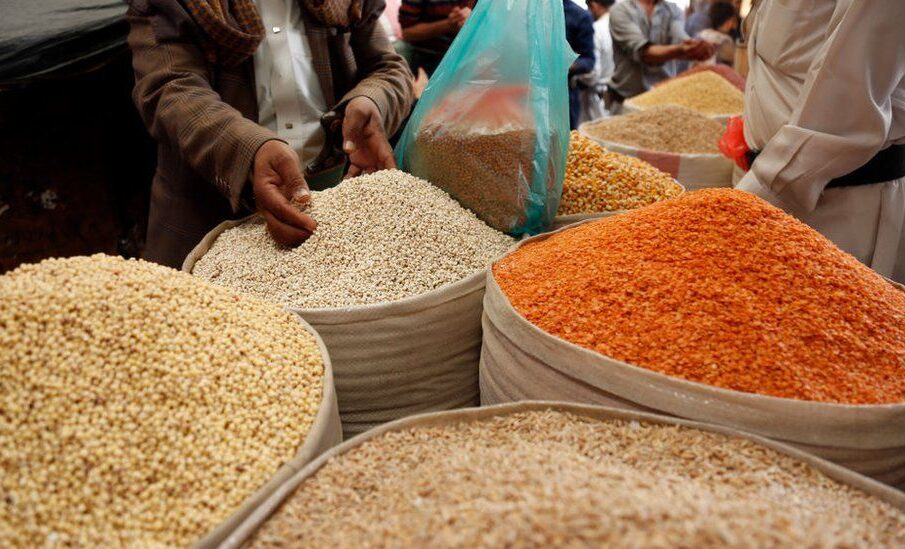
Food Startups Revolutionizing Local Markets
Across Africa, the food industry is experiencing a major transformation.
From digital grocery platforms to innovative food-processing businesses, startups are changing how people buy, sell, distribute, and consume food. These companies are not only introducing convenient services but also creating new opportunities for farmers, retailers, restaurants, delivery workers, and consumers.
As urban populations continue to grow, demand for affordable, accessible, and reliable food services is increasing. Food startups are responding by combining technology, local knowledge, and creative business models to address challenges within traditional food markets.
Making Food More Accessible
One of the biggest contributions of food startups is improved access to food products. In many African cities, consumers may spend significant amounts of time travelling to markets or supermarkets. Digital platforms can reduce this burden by allowing customers to browse products and place orders remotely.
This approach is particularly useful for busy professionals, families, elderly consumers, and people who have difficulty travelling long distances. Instead of spending hours navigating crowded markets, customers can arrange purchases from the comfort of their homes or workplaces.
Food startups are also making it easier for consumers to discover products from smaller local businesses. A digital marketplace can give independent food producers and vendors greater visibility without requiring them to establish expensive physical stores.
Supporting Local Farmers
Many African farmers face difficulties reaching profitable markets. They may produce large quantities of crops but struggle with transportation, storage, pricing, or access to reliable buyers.
Food startups are helping address some of these problems by connecting farmers directly with consumers, restaurants, retailers, and food processors. This can shorten supply chains and create additional opportunities for agricultural producers.
For example, a startup may aggregate vegetables from several smallholder farmers and supply them to restaurants in a major city. Such a model can provide farmers with more predictable demand while helping restaurants maintain a consistent supply of fresh ingredients.
Reducing Food Waste
Food waste remains an important challenge across the food supply chain. Produce can spoil because of poor storage, transportation delays, inadequate refrigeration, or weak connections between sellers and buyers.
Technology-driven food businesses are developing solutions that help reduce these losses. Some connect surplus food with consumers, while others improve inventory management, cold-chain logistics, packaging, or food preservation.
Better coordination can make a significant difference. When businesses know what products are available and where demand exists, they can move food more efficiently instead of allowing unsold products to remain unused.
Creating New Food Delivery Models
Food delivery has also changed significantly because of startups. Consumers can now order meals, groceries, fresh produce, and other food products through digital platforms.
This growth has created opportunities beyond restaurants. Independent cooks, home-based food businesses, caterers, farmers, and small food vendors can reach customers outside their immediate neighbourhoods.
Delivery networks also create employment opportunities for riders and logistics workers. As these systems become more sophisticated, startups can use technology to improve route planning, order tracking, payment processing, and customer communication.
Helping Small Food Businesses Grow
Traditional food businesses often operate with limited resources. A small restaurant or food vendor may have excellent products but struggle with marketing, payment collection, customer retention, or inventory management.
Food technology startups can provide tools that address these challenges. Digital ordering systems, online storefronts, payment platforms, customer databases, and inventory software can help small businesses operate more efficiently.
This gives entrepreneurs an opportunity to compete in markets that were previously dominated by larger companies.
Making Local Food Products More Competitive
Food startups are also contributing to the growth of locally produced food. Entrepreneurs are developing packaged versions of traditional ingredients, snacks, beverages, spices, sauces, grains, and other products.
Modern packaging and digital marketing can help these products reach wider audiences. A food product that was once sold mainly within a neighbourhood can potentially reach customers in another city or even another country.
This creates opportunities to preserve local food traditions while adapting them to modern consumer preferences.
Using Technology to Understand Consumers
Data is becoming increasingly important in the food industry. Startups can use purchasing information to understand what customers want, when demand increases, and which products perform best.
These insights can help businesses manage inventory and reduce unnecessary spending. For instance, a retailer can identify popular products and replenish them before supplies run out.
Customer data can also support more personalised recommendations and promotions. However, responsible handling of customer information remains essential as digital food services expand.
Addressing Food Affordability
Food prices remain a major concern for many African households. Startups are exploring different approaches to make food purchases more affordable.
Bulk purchasing is one possible solution. Businesses can combine orders from several customers or purchase directly from producers in larger quantities. The savings can then be passed on to consumers.
Other businesses are creating subscription models, discount programmes, food-sharing systems, and direct-to-consumer platforms. These approaches can help households manage food expenses more effectively.
Strengthening Local Food Ecosystems
The impact of food startups extends beyond individual consumers. A successful food platform can connect several parts of the local economy.
Farmers supply produce. Processors turn raw materials into finished products. Retailers distribute goods. Delivery workers move orders. Restaurants prepare meals. Customers generate demand.
When these participants are connected efficiently, the entire food ecosystem can become more productive.
This is particularly important in rapidly growing African cities, where traditional systems must adapt to changing consumer behaviour and expanding populations.
The Future of Food Startups in Africa
The next stage of growth will likely involve greater integration between agriculture, logistics, retail, finance, and technology. Startups that can solve practical problems within these areas may find significant opportunities.
However, success will require more than simply creating an app. Businesses must understand local purchasing habits, infrastructure limitations, payment preferences, transportation challenges, and consumer expectations.
Affordable technology, reliable delivery networks, strong partnerships, and trust will remain important factors.
Conclusion
Food startups are reshaping local markets by improving access, supporting farmers, reducing waste, creating delivery opportunities, and helping small food businesses reach more customers. Their influence demonstrates how innovation can address everyday challenges within Africa’s food systems.
As these businesses continue to evolve, they have the potential to create stronger connections between producers and consumers while making local food markets more efficient and inclusive. The most successful startups will likely be those that combine technology with a deep understanding of the communities they serve.




Leave a reply






Africa’s Source for Breaking News | Entertainments | Health | Finance | Sports | Lifestyle and Business News.


