
Tunisian Fashion Designers Dressing the World
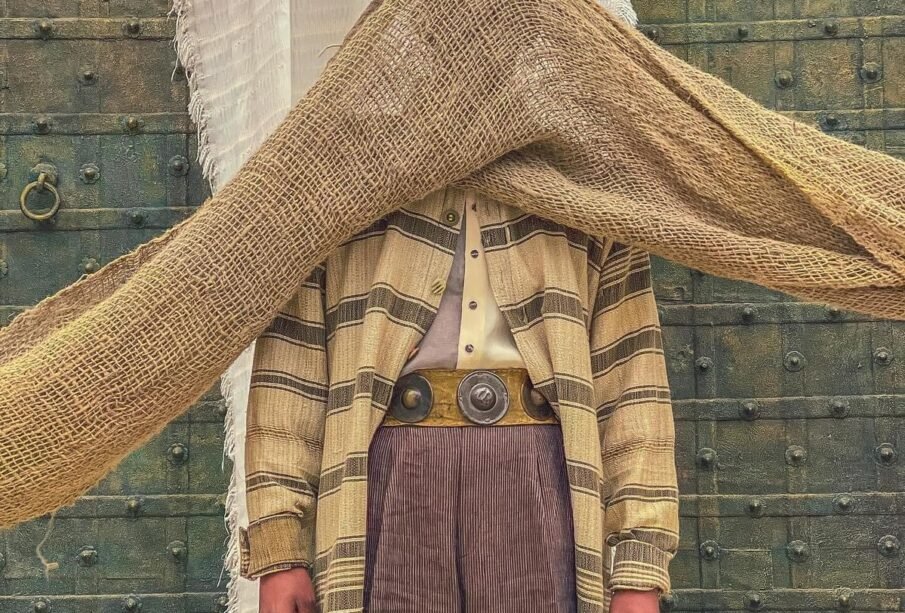
Tunisian Fashion Designers Dressing the World
Tunisian fashion is attracting international attention through a distinctive mix of North African heritage, modern tailoring, traditional craftsmanship and contemporary design.
From architectural silhouettes and refined eveningwear to upcycled clothing and carefully produced everyday pieces, designers from Tunisia are showing that the country’s fashion identity extends far beyond familiar ideas about traditional dress.
The influence of Tunisia’s textile heritage is central to this development. The country has a long history of weaving, embroidery, garment production and artisanal work. Today’s designers are reinterpreting those skills through modern cuts, international fashion education, sustainable production and collaborations that connect Tunisian creativity with wider markets.
Names such as Anissa Meddeb, Azzedine Alaïa, Ali Karoui, Ahmed Talfit, Salah Barka, Mehdi Kallel and Braim Klei illustrate different directions within the country’s fashion landscape. Their work is not identical, nor should Tunisian fashion be reduced to one aesthetic. What connects many of these designers is an interest in creating distinctive clothing while engaging with the country’s cultural and creative heritage.
Why Tunisian fashion deserves international attention
Tunisia occupies an interesting position between Africa, the Mediterranean and the Arab world. Its history, geography and cultural exchanges have shaped a fashion environment influenced by local traditions and international movements.
The country’s textile sector provides an important foundation. Tunisian communities have long worked with fabrics, weaving, embroidery, leather and garment production. These skills create opportunities for designers who want to combine contemporary fashion with local craftsmanship.
However, the industry is not simply a continuation of traditional clothing. Younger designers are exploring minimalist silhouettes, experimental materials, sustainable production and modern interpretations of heritage. Some draw on Tunisian architecture and regional textiles, while others work with international references from Paris, London, New York and Tokyo.
The result is a creative landscape in which local identity can inform global fashion without requiring every designer to use the same symbols or techniques.
1. Anissa Meddeb: A dialogue between Tunisian and Japanese design
One of the designers helping introduce Tunisian creativity to international fashion audiences is Anissa Meddeb, founder of Anissa Aida.
Meddeb grew up between Tunis and Paris before studying fashion design at Parsons School of Design in New York. She also undertook an exchange at Central Saint Martins in London and completed further design entrepreneurship training at the Fashion Institute of Technology.
Her professional background and multicultural experience influence the identity of her label. Anissa Aida draws inspiration from Tunisian and Japanese cultures, bringing together heritage craftsmanship and contemporary silhouettes.
The brand’s aesthetic often favours clean lines, restrained details and architectural shapes. Traditional garments such as the caftan and kimono provide points of reference, but the designs reinterpret them rather than reproduce them directly.
This approach makes the work particularly interesting. Instead of placing traditional decoration on a conventional modern outfit, the designer considers how the structure, proportions and movement of historical garments can inform contemporary clothing.
Production in Tunisia also connects the brand to local manufacturing and artisan skills. The label’s own account describes collaborations with artisans and an interest in more responsible sourcing.
Its collections have appeared in fashion events in cities including Tunis, Paris, London and Berlin, demonstrating how a designer can use cultural references to develop an international identity without abandoning local production.
2. Azzedine Alaïa: The Tunisian designer whose influence crossed generations
Any discussion of Tunisian influence on global fashion must acknowledge Azzedine Alaïa. Born in Tunisia, Alaïa became one of the most influential designers in international haute couture and luxury fashion.
He was widely recognised for his sculptural approach to clothing, precise construction and close attention to the human body. His garments often used stretch fabrics, carefully engineered seams and body-conscious silhouettes to create shape without relying solely on decorative embellishment.
Alaïa’s work demonstrated that technical skill and disciplined construction could become powerful forms of artistic expression. Rather than following every seasonal trend, he developed a recognisable design language that influenced fashion across decades.
His career also illustrates the importance of craftsmanship. A garment’s fit, fabric behaviour and construction were central to his creative process. These qualities remain relevant to designers who want to create clothing that feels distinctive and lasts beyond a single trend cycle.
The Fondation Azzedine Alaïa has also helped preserve and share this legacy. Its work around Tunisian designers, including exhibitions and projects that celebrate local couture, highlights the connection between Alaïa’s international achievements and the wider creative community in Tunisia.
His influence should not be treated as a template that every Tunisian designer must follow. Instead, it provides an example of how a designer rooted in one cultural environment can develop an individual vision with international relevance.
3. Ali Karoui: Glamour and contemporary couture
Ali Karoui represents another direction within Tunisian fashion: high-impact couture and occasionwear.
His work is associated with elaborate evening silhouettes, structured gowns, detailed finishing and dramatic presentation. Such designs are particularly relevant to formal events, red-carpet appearances and clients who want clothing that makes a strong visual statement.
Couture is not simply about making a dress look expensive. It involves fit, construction, fabric selection and the ability to adapt a design to an individual wearer. These skills allow designers to produce garments that feel personal rather than mass-produced.
For Tunisian fashion, designers working in couture can also create opportunities for local ateliers, pattern makers, embroidery specialists and other skilled workers. Their international visibility may attract clients who would otherwise look to fashion houses in Paris, Milan or other established centres.
Nevertheless, couture businesses face financial challenges. They need skilled labour, reliable fabric sourcing, fitting sessions, international shipping and a strong client network. Building a sustainable business therefore requires more than creative talent.
4. Ahmed Talfit: Contemporary identity and the modern wardrobe
Ahmed Talfit is among the Tunisian designers recognised in discussions about the country’s evolving fashion scene. His presence alongside other local creatives reflects the variety of approaches emerging from Tunisia.
Contemporary fashion does not always need dramatic embellishment or obvious cultural references. A designer can communicate identity through proportion, material, colour, construction and the way clothing fits into everyday life.
This is particularly important as international consumers increasingly look for pieces that combine individuality with practicality. Clothing that can move between work, social occasions and travel may have a broader market than designs created for a single event.
Tunisian designers working in this space can draw on local textile expertise while exploring modern cuts and functional wardrobes. The opportunity is to develop recognisable collections that offer more than a temporary trend.
5. Salah Barka: Turning discarded materials into creative fashion
Salah Barka offers a different perspective on fashion and material use. His work has been associated with second-hand clothing, reclaimed fabrics and the creative reuse of materials that might otherwise be discarded.
This approach challenges the idea that fashion must depend on new fabric and constant consumption. It also reflects the importance of second-hand clothing in everyday Tunisian life.
Upcycling requires a different kind of design thinking. A designer may begin with an existing garment, damaged fabric or an unexpected material and determine how to transform it into something new. The limitations can become part of the creative process.
Barka’s approach is especially relevant as the global fashion industry faces growing pressure to address waste and resource use. Reusing materials can reduce demand for new production, although the environmental benefits depend on how garments are collected, cleaned, repaired and manufactured.
The approach also creates room for individuality. Because reclaimed materials are not always available in identical quantities, designers can produce pieces that are difficult to reproduce exactly.
6. Mehdi Kallel: Reinterpreting heritage for modern clothing
Mehdi Kallel is another designer associated with Tunisia’s contemporary fashion development. His work has been described in relation to the country’s cultural heritage and the effort to translate traditional influences into modern design.
This approach matters because heritage can become limiting when designers feel obliged to reproduce historical garments exactly. Modern reinterpretation allows them to retain a connection to the past while responding to present-day needs.
For example, a designer might study the proportions of a traditional garment, the way fabric is draped or the construction of a particular detail. Those elements can then inform a contemporary jacket, dress or tailored outfit.
The strongest results often come from understanding the original technique before changing it. Without that knowledge, a designer may use cultural references as decoration without understanding their meaning.
7. Braim Klei: Minimalism and the modern woman
Braim Klei represents a more minimal direction in Tunisian design. Coverage of Tunisia’s fashion scene has highlighted his preference for contemporary, streamlined clothing with an emphasis on versatility.
Minimalism is sometimes misunderstood as simplicity without creativity. In practice, it requires careful decisions about proportion, fit, fabric and detail. When a garment has little decoration, its construction becomes easier to notice.
A minimalist wardrobe can also appeal to consumers who want clothes that work across different settings. A well-cut dress, jacket or tailored outfit may be worn repeatedly with different accessories rather than being reserved for one event.
For designers, this creates opportunities to build a consistent brand identity around quality and wearability. It also allows Tunisian fashion to participate in international conversations about practical luxury and responsible consumption.
8. What makes Tunisian fashion different?
Tunisian fashion does not have one defining look. Its strength lies in the range of influences and techniques that designers can draw upon.
Several characteristics help explain what makes the country’s fashion landscape distinctive.
A relationship between heritage and modern design
Designers can work with traditional weaving, embroidery, garment shapes and regional references while creating clothing that fits contemporary lifestyles.
This balance is not limited to formalwear. It can appear in everyday garments, accessories, resort clothing and experimental collections.
Architectural silhouettes
Some Tunisian designers use structure, proportion and fabric movement to create distinctive forms. This approach can produce garments that feel modern without relying on excessive decoration.
Textile and artisan knowledge
Local production and craft skills offer opportunities for designers to work closely with fabric specialists, embroiderers, tailors and workshops. These relationships can improve product quality and preserve valuable knowledge.
Mediterranean and African influences
Tunisia’s position connects it to different cultural and commercial networks. Designers can engage with North African, Mediterranean and wider African references while developing their own interpretations.
Sustainability and material experimentation
Upcycling, local production, careful sourcing and slower fashion practices are becoming important parts of international fashion discussions. Tunisian designers exploring these approaches can contribute distinctive ideas to the conversation.
9. Tunis Fashion Week and the international fashion conversation
Fashion events provide a platform for designers to present collections, meet industry professionals and build relationships beyond their local markets.
Tunis Fashion Week has sought to connect Tunisian creativity with international designers, institutions and fashion businesses. Its 2026 programme included Tunisian designers and fashion schools alongside international labels and creative partners.
This kind of platform can create value beyond the runway. It can introduce emerging designers to buyers, manufacturers, journalists, stylists and potential collaborators. It can also help fashion students understand the commercial side of the industry.
However, a runway appearance does not automatically create a successful fashion business. Designers need reliable production, pricing strategies, distribution, marketing and customer relationships. They also need the financial resources to present collections and fulfil orders.
International visibility becomes more meaningful when designers can turn attention into repeat customers, retail partnerships and sustainable income.
10. The challenges Tunisian designers must overcome
Despite their creative potential, designers in Tunisia face practical obstacles.
Production costs: Small labels may struggle to finance materials, skilled labour, sampling and large production runs.
International distribution: Reaching customers abroad involves shipping, customs procedures, payment systems, returns and local retail partnerships.
Brand visibility: Designers must compete for attention in an international market dominated by established fashion houses and large marketing budgets.
Access to finance: Emerging labels may struggle to secure funding for equipment, production and expansion.
Industry coordination: Fashion businesses benefit from strong links between designers, textile producers, manufacturers, schools, buyers and public institutions.
These challenges do not diminish the creative quality of Tunisian fashion. They show why industry development requires more than celebrating designers after a successful runway presentation.
11. How Tunisian fashion can grow its international influence
Tunisia can strengthen its fashion presence by investing in the systems that help creative businesses grow.
First, fashion schools and established designers can build stronger mentorship programmes. Young creatives need technical training, but they also need knowledge of pricing, contracts, production planning and international retail.
Second, designers should develop clear brand identities. A customer should understand what makes a label different, who its clothing serves and why its products are worth buying.
Third, local manufacturers and artisans should be included in the growth strategy. Supporting production at home can strengthen skills, create employment and help designers maintain control over quality.
Fourth, fashion organisations can create partnerships with international retailers, trade events and African creative networks. These relationships can introduce designers to buyers and markets that may be difficult to reach independently.
Finally, sustainability should be treated as a practical business model rather than a marketing slogan. Designers need transparent sourcing, fair working conditions, durable construction and realistic production quantities.
A Tunisian fashion identity with room to grow
Tunisia’s designers are demonstrating that fashion can connect heritage with modern creativity without losing its individuality. From Anissa Meddeb’s cross-cultural approach and Azzedine Alaïa’s sculptural legacy to Salah Barka’s material experimentation and the contemporary work of other Tunisian creatives, the country’s fashion scene offers a range of ideas worth exploring.
Its future international influence will depend on the strength of its creative businesses as much as the quality of its designs. Better access to production, finance, distribution and global partnerships can help more Tunisian labels reach customers beyond the country’s borders.
The most exciting possibility is not that Tunisian designers will all dress the world in one recognisable style. It is that they will continue to offer different perspectives, techniques and creative identities that make the global fashion industry richer.
Frequently Asked Questions
1. Who are some well-known Tunisian fashion designers?
Designers associated with Tunisia’s fashion scene include Azzedine Alaïa, Anissa Meddeb, Ali Karoui, Ahmed Talfit, Salah Barka, Mehdi Kallel and Braim Klei. They represent different approaches, from couture and modern tailoring to sustainable fashion and material experimentation.
2. What makes Tunisian fashion unique?
Tunisian fashion draws on textile heritage, artisan skills, North African culture and Mediterranean influences. Designers reinterpret these references through contemporary silhouettes, modern tailoring, sustainable materials and individual creative approaches.
3. Is Tunisian fashion gaining international recognition?
Yes. Tunisian designers have presented work at international fashion events and developed distribution or collaboration opportunities abroad. The country’s fashion platforms also bring local designers into contact with international labels and industry professionals.
4. What is Anissa Aida known for?
Anissa Aida is the fashion label founded by Tunisian designer Anissa Meddeb. It draws inspiration from Tunisian and Japanese cultures, combining heritage craftsmanship with contemporary silhouettes and a refined, architectural aesthetic.
5. How can Tunisian designers compete in the global fashion industry?
They can strengthen their international presence through consistent brand identities, quality production, sustainable sourcing, professional distribution, digital marketing and partnerships with international retailers, fashion schools and creative networks.




Leave a reply




Africa’s Source for Breaking News | Entertainments | Health | Finance | Sports | Lifestyle and Business News.


