
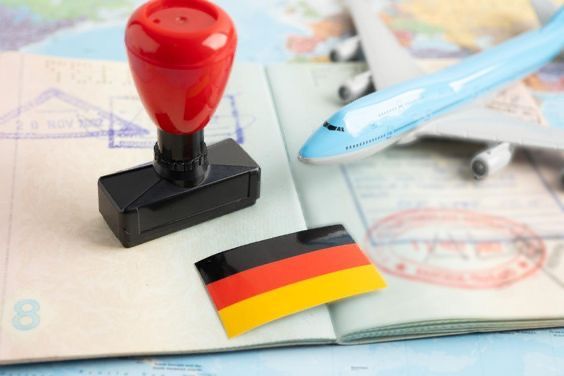
Germany Student Visa for Moroccan Applicants
How to Apply for a Germany Student Visa: A Step-by-Step Guide for Morocco Applicants
Germany has become an attractive destination for Moroccan students seeking quality education, internationally recognised qualifications, and opportunities to develop successful careers. Its public universities offer many programmes with low or no tuition fees, although semester contributions and other expenses still apply. Students can also explore opportunities in engineering, information technology, business, healthcare, and scientific research.
However, studying in Germany requires careful preparation. Moroccan applicants must secure admission to an appropriate educational institution, demonstrate sufficient financial resources, prepare the required documents, and obtain the correct visa before travelling. Understanding each stage can make the process easier and reduce avoidable delays.
This step-by-step guide explains how students applying from Morocco can prepare for a German student visa, from choosing a university to preparing for their arrival.
Step 1: Choose a German University and Programme
The first step is to identify a recognised German university and a programme that matches your academic qualifications and career goals. Research public universities, universities of applied sciences, and private institutions to compare course content, tuition fees, admission criteria, and teaching languages.
Many undergraduate programmes are taught in German, while numerous postgraduate courses are available in English. Check whether your chosen programme requires German proficiency, English-language certification, or both.
Useful resources include the German Academic Exchange Service (DAAD) and the official websites of individual universities. These platforms provide information about programmes, admission requirements, and application deadlines.
Moroccan students should also check whether their secondary-school certificate or previous university qualification meets German admission standards. Some applicants may need additional preparation or a preparatory course before beginning a degree.
Step 2: Apply for Admission
Once you have selected a programme, prepare and submit your university application according to the institution’s instructions. Some universities accept applications directly, while others use the uni-assist application service.
Typical documents include academic transcripts, certificates, a valid passport, a curriculum vitae, a motivation letter, and proof of language proficiency. Certain programmes may require recommendation letters, portfolios, entrance examinations, or additional academic records.
Documents issued in Arabic or French may need certified translations into German or English, depending on the university’s requirements. Confirm the accepted languages, certification rules, and document formats before submitting anything.
Pay close attention to deadlines. Some programmes begin in the winter semester, while others accept students for the summer semester. Submit your application early enough to allow time for admission processing and visa preparation.
After receiving an admission letter, read it carefully. Check your programme, start date, enrolment conditions, and any remaining requirements. A conditional admission offer may require you to complete additional steps before enrolment.
Step 3: Understand the German Student Visa Requirements
Moroccan citizens generally need a national visa to enter Germany for a university degree lasting longer than 90 days. Applicants intending to study should follow the German mission’s current instructions for student visas.
Do not confuse a student visa with a tourist or short-stay Schengen visa. A tourist visa is not the appropriate route for beginning a long-term university programme.
Before applying, consult the official German mission responsible for Morocco through the German Federal Foreign Office website. Requirements, application procedures, and appointment arrangements can change, so use the latest instructions rather than relying exclusively on social media posts or advice from friends.
If you have not yet received final admission, check whether you qualify for a different visa category, such as a visa for seeking a place at a university. Eligibility and supporting documents depend on your circumstances.
Step 4: Prepare Your Financial Proof
One of the most important parts of the application is demonstrating that you can cover your living expenses while studying in Germany.
Depending on the applicable rules, accepted evidence may include a blocked account (Sperrkonto), a recognised scholarship, or a formal declaration of commitment from an eligible sponsor in Germany. Not every personal sponsorship letter or ordinary bank statement automatically satisfies the requirements.
A blocked account usually requires you to deposit a specified amount before departure. The money is then released in regulated instalments after your arrival, helping you cover monthly expenses.
The required amount can change, so verify the current financial threshold with the German mission before transferring money. Also budget for accommodation, health insurance, transport, food, semester contributions, and other personal expenses.
Avoid unofficial agents who promise guaranteed visas in exchange for large payments. Always verify financial service providers and follow official instructions when opening an account or transferring funds.
Step 5: Gather the Required Documents
Create a checklist based on the current requirements published by the German mission in Morocco. Commonly requested documents include:
- A valid Moroccan passport and the required visa application form.
- Recent biometric passport photographs meeting the stated specifications.
- An admission letter from a German university or other accepted proof of study arrangements.
- Academic certificates and transcripts.
- Evidence of language proficiency, where required.
- Proof of sufficient financial resources.
- Evidence of health insurance, as required for the application.
- A curriculum vitae and motivation letter, if requested.
- Proof of accommodation or other supporting documents, where applicable.
- Certified translations and copies in the required format.
The exact list may differ depending on the applicant’s circumstances and the university programme. Check whether the mission requires original documents, copies, translations, or specific application forms.
Ensure that names, dates, and academic details match across your documents. Missing certificates, inconsistent information, or incomplete financial evidence can delay processing.
Step 6: Submit Your Visa Application and Book an Appointment
The German mission in Morocco provides an online application route for study visas. Start with the official German Embassy in Rabat’s study visa information and follow the current instructions for submitting your application.
Complete the application accurately and upload the required documents. If the online procedure indicates that your file is complete, follow the instructions for your appointment. Some applicants, including certain scholarship holders and doctoral candidates, may have different appointment arrangements.
Prepare to present your original documents, provide biometric information, and pay the applicable visa fee. The standard national visa fee is generally €75, payable in Moroccan dirhams at the applicable exchange rate, although exemptions or reduced fees may apply.
Apply well ahead of your intended departure date. Processing times vary, and incomplete applications or additional verification can cause delays. Avoid purchasing non-refundable flights before receiving your visa.
Step 7: Prepare for the Visa Interview
If your application requires an interview, prepare to explain your study plans clearly and honestly. The visa officer may ask why you selected Germany, why you chose your university, how your previous education relates to the programme, and how you intend to finance your studies.
You should also understand your course structure, expected living expenses, and career plans after graduation. Your motivation letter should explain these points consistently with your supporting documents.
Practise answering questions naturally rather than memorising a script. Provide genuine information, and never submit fabricated financial statements, certificates, or admission letters. False documents or misleading statements can lead to refusal.
Step 8: Wait for the Decision and Prepare for Departure
After submission, monitor any official communication from the German mission and respond promptly if additional documents are requested. There is no guaranteed approval time or assurance that every complete application will be successful.
Once your visa is approved, check the details on the visa sticker, including your name, validity dates, and permitted entry period. Arrange suitable accommodation, confirm your university’s enrolment requirements, and organise your travel documents.
Before departure, ensure that your health insurance meets the requirements for your initial stay and subsequent enrolment. Keep copies of your admission letter, financial evidence, passport, and other important documents in your hand luggage.
Step 9: Complete the Formalities After Arriving in Germany
Obtaining your visa is not the final step. After arriving, arrange accommodation and register your address with the local residents’ registration office within the applicable deadline, generally two weeks after moving into your accommodation.
You must also contact the local foreigners’ authority to obtain a residence permit for study purposes before your entry visa expires. The required documents may include your passport, university enrolment confirmation, proof of financial resources, health insurance, and evidence of your registered address.
Attend university enrolment appointments, pay any required semester contribution, and familiarise yourself with local transport, student services, and academic regulations.
Conclusion
Applying for a Germany student visa from Morocco requires careful planning, accurate documentation, sufficient financial resources, and a clear academic purpose. By selecting the right programme, securing admission, preparing your documents, and following the German mission’s official application procedure, you can approach the process with greater confidence.
Start early, verify changing requirements through official government sources, and avoid anyone promising guaranteed approval. With consistent preparation, Moroccan students can take practical steps towards pursuing higher education in Germany and building a strong foundation for their future careers.



Leave a reply






Africa’s Source for Breaking News | Entertainments | Health | Finance | Sports | Lifestyle and Business News.


