
Hidden Travel Gems in Nigeria You Haven’t Heard About
Hidden Travel Gems in Nigeria You Haven’t Heard About
Nigeria is often introduced to travellers through its biggest attractions.
Lagos offers beaches, nightlife, restaurants, and a fast-paced urban experience. Abuja is known for its hills, parks, and modern cityscape. Calabar attracts visitors with its cultural heritage and festivals, while places such as Obudu and Yankari have become familiar names among domestic and international tourists.
Yet Nigeria’s travel story goes far beyond these popular destinations.
Across the country are quiet landscapes, ancient communities, waterfalls, caves, forests, hills, and cultural sites that receive far less attention than they deserve. Some are difficult to find in mainstream travel guides. Others are known locally but remain relatively undiscovered by tourists.
If you want to experience a different side of Nigeria, these hidden travel gems are worth adding to your list.
1. Ogbunike Caves, Anambra State
Tucked into the hills of Anambra State, the Ogbunike Caves are one of southeastern Nigeria’s most fascinating natural attractions.
The caves consist of interconnected tunnels and chambers formed naturally over thousands of years. Visitors descend through a long staircase before entering the cave system, where the environment becomes cooler, darker, and dramatically different from the world outside.
Beyond the physical beauty of the caves, Ogbunike has deep cultural and spiritual significance for local communities. Traditional beliefs and stories surround the site, making a visit more than a simple sightseeing experience.
For adventurous travellers, Ogbunike offers an opportunity to combine nature, history, and local culture in one destination.
2. Awhum Waterfall, Enugu State
Awhum Waterfall is another remarkable destination hidden within southeastern Nigeria.
Located near Awhum in Enugu State, the waterfall flows from a rock formation surrounded by lush vegetation. The water cascades down the rocky landscape, creating a peaceful environment that feels far removed from busy Nigerian cities.
The area is also associated with the Awhum Monastery, giving the destination a unique combination of natural beauty and spiritual atmosphere.
Unlike crowded tourist attractions, Awhum can provide the feeling of discovering somewhere special before the crowds arrive. Visitors should, however, respect local customs and any restrictions around the religious site.
3. Erin-Ijesha Waterfalls, Osun State
Also known as Olumirin Waterfall, Erin-Ijesha is one of southwestern Nigeria’s most impressive natural attractions.
The waterfall is made up of several levels, with water flowing down a series of rocky formations surrounded by thick vegetation. Reaching the higher levels requires some physical effort, but the views and atmosphere make the climb worthwhile for many visitors.
The destination is particularly appealing to travellers who enjoy hiking, photography, and outdoor exploration.
It also demonstrates an important point about Nigerian tourism: you do not always need to leave the country to experience dramatic natural scenery.
4. Kajuru Castle, Kaduna State
When people hear the word “castle,” Nigeria may not be the first country that comes to mind.
That is precisely what makes Kajuru Castle interesting.
Located in Kaduna State, Kajuru Castle is a striking private castle-style building surrounded by hills and rocky landscapes. Its unusual architecture makes it look almost like something transported from a European fairy tale and placed in northern Nigeria.
The surrounding landscape adds to its appeal. Travellers can enjoy the views, take photographs, and experience a destination that feels completely different from Nigeria’s typical urban attractions.
Because access arrangements can vary, visitors should confirm availability and entry requirements before planning a trip.
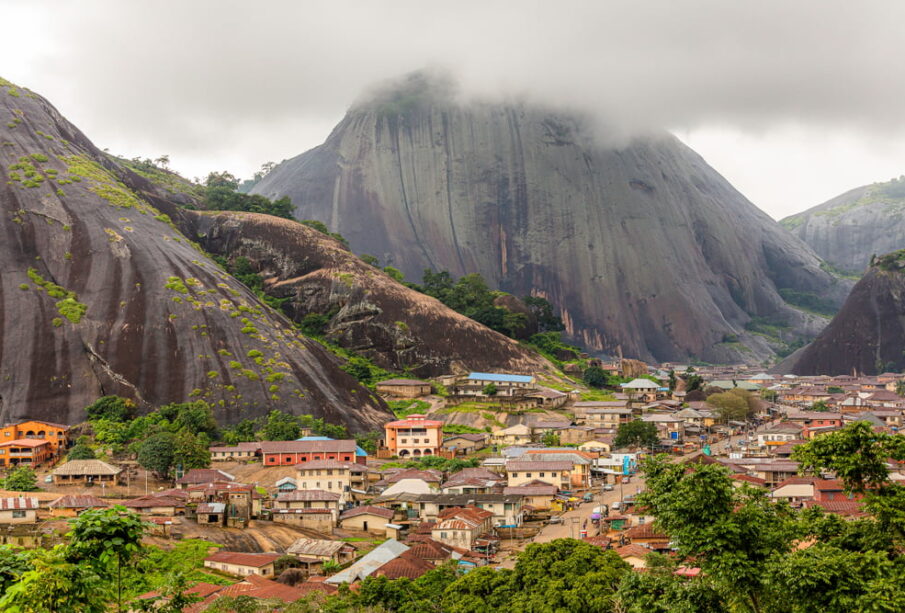
5. Idanre Hills, Ondo State
Idanre Hills offers one of the most memorable combinations of nature and history in southwestern Nigeria.
The hills rise dramatically above the town of Idanre, creating a spectacular landscape. But the attraction is not only about the mountains. The area also contains historic structures, traditional sites, ancient settlements, and cultural landmarks.
Climbing the hills requires energy, but the journey becomes part of the experience. As you move upward, the landscape opens up and provides impressive views of the surrounding environment.
For travellers interested in combining hiking with cultural exploration, Idanre is an excellent choice.
6. Gashaka Gumti National Park, Taraba State
For travellers who want to escape the usual tourist routes, Gashaka Gumti National Park deserves serious attention.
It is Nigeria’s largest national park and covers an enormous area of forests, mountains, rivers, grasslands, and wildlife habitats.
The park is particularly attractive to people interested in nature, hiking, birdwatching, wildlife, and ecological tourism. Its mountainous environment also creates a sense of wilderness that is increasingly difficult to find near major Nigerian cities.
A visit requires more planning than a typical weekend trip. Transport, accommodation, guides, weather conditions, and park access should all be considered beforehand.
However, that extra preparation is part of what makes the experience special.
7. Kajuru and the Kaduna Hills
Kaduna State has more to offer than many travellers realise. Beyond Kajuru Castle, the region contains beautiful hills, valleys, rocky landscapes, and rural communities.
The Kaduna countryside can be especially appealing during road trips because the landscape changes dramatically as you move away from the city.
For photographers and content creators, the combination of rocky formations, open landscapes, traditional settlements, and changing light can provide plenty of opportunities for storytelling.
The key is to travel responsibly, use knowledgeable local guides where appropriate, and confirm the safety situation before visiting less-developed areas.
8. Owo and the Ancient Cultural Heritage of Ondo State
Not every hidden travel gem has to be a waterfall or mountain.
The ancient town of Owo in Ondo State offers travellers an opportunity to explore Nigeria’s rich cultural and artistic history. Owo has long been associated with remarkable archaeological discoveries and Yoruba cultural heritage.
The town and its surrounding area demonstrate how much of Nigeria’s history exists outside the country’s most heavily promoted tourist destinations.
Travellers who enjoy museums, traditional art, archaeology, and history can find a completely different experience here compared with a conventional beach holiday.
9. Farin Ruwa Waterfalls, Nasarawa State
Farin Ruwa Waterfalls is one of Nigeria’s lesser-known natural wonders.
Located in Nasarawa State, the waterfall drops dramatically through a rugged landscape surrounded by vegetation. Its relatively remote location has helped preserve the sense of adventure associated with reaching it.
The journey itself can be part of the attraction. Travellers have the opportunity to experience rural landscapes and communities before arriving at the waterfall.
Because infrastructure around remote attractions may be limited, visitors should prepare properly. Carry essential supplies, travel with people who understand the area, and avoid treating a remote destination like a city attraction.
10. Ngwo Pine Forest and Cave, Enugu State
Ngwo is another destination that proves Enugu has plenty of attractions beyond the city itself.
The Ngwo Pine Forest is a peaceful natural environment filled with tall pine trees. Nearby, visitors can find a cave and a waterfall surrounded by rocky formations.
The combination creates a fascinating landscape for people looking for somewhere quiet to relax, explore, or take photographs.
It is particularly suitable for travellers who want a relatively simple nature escape without committing to a long expedition.
Why These Hidden Destinations Matter
Nigeria has enormous tourism potential, but many travellers repeatedly visit the same handful of destinations because they are easier to find, promote, and access.
Exploring lesser-known destinations can help change that.
Domestic tourism creates opportunities for local guides, transport operators, accommodation providers, food vendors, artisans, photographers, and communities. When visitors spend money responsibly in these areas, tourism can become an additional source of income for local people.
There is also a personal benefit.
Travelling to lesser-known destinations can make a trip feel more adventurous. Instead of following the same itinerary as everyone else, you get an opportunity to discover landscapes, stories, traditions, and communities that may not appear on the average Nigerian travel list.
Travel Responsibly
Hidden does not always mean untouched, and undiscovered does not mean risk-free.
Before visiting any remote destination, research current security conditions, road accessibility, weather, entry requirements, and local regulations. Where possible, use reputable local guides.
Respect communities and sacred places. Avoid littering, damaging natural features, disturbing wildlife, or taking cultural objects as souvenirs.
Most importantly, remember that these destinations are not simply backdrops for photographs. They are part of people’s homes, histories, and livelihoods.
Conclusion
Nigeria’s tourism map is much bigger than Lagos, Abuja, Calabar, and other familiar destinations. From the mysterious Ogbunike Caves to the peaceful Awhum Waterfall, the dramatic Idanre Hills, the remote Gashaka Gumti National Park, and the unusual Kajuru Castle, the country offers countless experiences waiting to be explored.
The next time you plan a Nigerian getaway, consider going beyond the obvious.
Sometimes the most memorable journey begins when you take the road that fewer travellers have taken.




Leave a reply




Africa’s Source for Breaking News | Entertainments | Health | Finance | Sports | Lifestyle and Business News.


