
How to Stop Comparing Yourself to Others
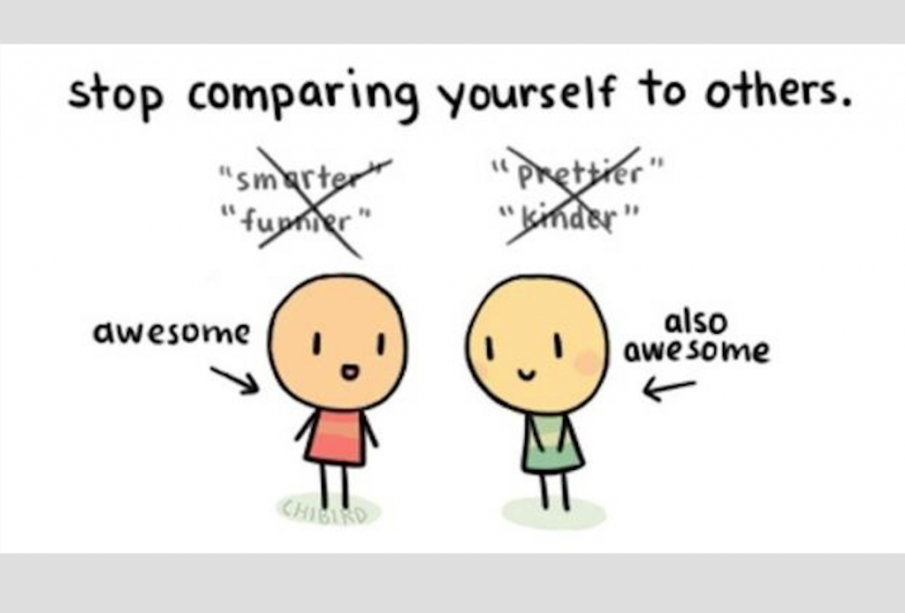
How to Stop Comparing Yourself to Others
It is natural to look at other people and wonder how your life measures up.
You may see someone buying a house, getting married, building a successful business, travelling, or advancing in their career and begin questioning your own progress.
Comparison becomes harmful when someone else’s success makes you feel like a failure.
The truth is that everyone follows a different path. Learning how to stop comparing yourself to others does not mean ignoring other people’s achievements. It means learning to appreciate their progress without using it as a measurement of your own worth.
Why Do We Compare Ourselves to Others?
Comparison often comes from insecurity, uncertainty, or the desire to understand where we stand. Social media has made this even more difficult. People regularly share their achievements, celebrations, vacations, relationships and professional milestones online. However, these posts usually show selected moments rather than the complete reality of someone’s life.
You may therefore compare your everyday struggles with another person’s carefully selected highlights.
Comparison can also happen when you feel uncertain about your own direction. When you are unsure whether you are making progress, someone else’s achievements can become an easy reference point.
Understand That Everyone Has a Different Timeline
One of the most important ways to reduce comparison is to accept that life does not follow a universal schedule.
Some people achieve career success in their twenties. Others discover their direction later. Some build businesses early, while others spend years developing skills before taking their first major step.
There is no single correct timeline for success.
Instead of asking, “Why am I not where they are?”, ask:
“What can I do with where I am right now?”
That question moves your attention from frustration to action.
Focus on Your Own Progress
Your most useful comparison is often between who you are today and who you were yesterday. Think about the skills you have developed, difficult situations you have handled, habits you have improved and goals you have moved closer to.
Even small improvements matter.
Reading more, managing your money better, learning a new skill, becoming more disciplined or taking better care of yourself can represent meaningful progress.
Keep a simple record of your achievements. Looking back at your progress can remind you that growth does not always happen dramatically.
Stop Using Other People’s Lives as Your Scorecard
Someone else’s career does not determine whether yours is successful.
Someone else’s relationship does not determine whether you are behind.
Someone else’s income does not determine your value.
Everyone has different circumstances, opportunities, responsibilities and challenges. Comparing outcomes without knowing the full story can create an unfair judgment of yourself.
Your goals should therefore be based on what matters to you rather than what looks impressive to other people.
Limit Unhealthy Social Media Consumption
If certain social media accounts consistently leave you feeling inadequate, it may be time to change what you consume.
You do not necessarily have to delete social media. Instead, consider unfollowing or muting accounts that trigger constant comparison.
Follow people who educate, inspire or entertain you without making you feel pressured to live according to their timeline.
It can also help to take regular breaks from social media. Time away gives you space to focus on your actual life rather than constantly observing everyone else’s.
Turn Comparison Into Inspiration
Comparison is not always negative.
Sometimes seeing someone succeed can show you what is possible. The key is changing the question.
Instead of thinking:
“Why do they have what I don’t have?”
Try asking:
“What can I learn from what they did?”
If someone has developed a skill you admire, study their approach. If someone built a successful business, learn about their journey. If someone improved their lifestyle, identify the habits that contributed to their progress.
This transforms comparison into learning.
Remember That Success Has Different Definitions
Success does not look the same for everyone.
For one person, success may mean building a large company. For another, it may mean having a peaceful home, raising a family, developing a fulfilling career or having enough financial freedom to enjoy life.
You need to define success for yourself.
Without your own definition, you can easily spend your life chasing goals simply because other people appear to have them.
Ask yourself:
- What kind of life do I actually want?
- What values are important to me?
- What would make me genuinely satisfied?
- Which goals belong to me, and which ones did I adopt from society?
Your answers can help you build a life that feels meaningful rather than merely impressive.
Practice Gratitude for What You Already Have
Gratitude does not mean pretending that everything is perfect. It means recognizing what is already valuable in your life.
Take a few minutes regularly to identify things you appreciate. It could be supportive relationships, opportunities, personal abilities, good experiences, useful lessons or simply the progress you have already made.
When you regularly acknowledge what you have, it becomes easier to stop obsessing over what someone else has.
Give Yourself Permission to Move Slowly
Not every season of life needs to produce major achievements.
Sometimes you are learning. Sometimes you are recovering from setbacks. Sometimes you are preparing for your next opportunity.
A slower period does not automatically mean you are failing.
Progress can be quiet. You may be developing knowledge, building confidence or gaining experience that will become valuable later.
Do not mistake a quiet season for a wasted one.
Build Goals That Are Within Your Control
Comparing yourself to others often happens when your goals depend heavily on external outcomes.
Instead, create goals based on actions you can control.
For example, rather than saying:
“I want to become as successful as that person.”
Set a goal such as:
“I will spend five hours each week developing my professional skills.”
Rather than:
“I want everyone to respect me.”
Try:
“I will consistently improve the quality of my work.”
Action-based goals give you something constructive to work toward.
Learn to Celebrate Other People’s Success
Another powerful way to overcome comparison is to become comfortable with other people’s achievements.
Someone else’s success does not reduce the amount of success available to you.
You can admire someone’s achievement while continuing to work toward your own goals. You can congratulate someone without believing that their progress makes yours less important.
Learning to celebrate others without diminishing yourself is a sign of emotional maturity.
Be Patient With Your Journey
There will always be someone who appears to be ahead of you.
There will also be someone who is struggling with something you take for granted.
Life is too complex to measure using a simple ranking system.
Instead of constantly asking whether you are ahead or behind, ask whether you are moving in a direction that matters to you.
Final Thoughts
Learning how to stop comparing yourself to others requires a change in perspective. You do not have to stop noticing other people’s achievements. You simply need to stop using those achievements as evidence that you are not doing enough.
Focus on your values, measure your own progress, limit unhealthy comparisons and turn other people’s success into inspiration rather than self-criticism.
Your journey does not become less valuable because someone else’s journey looks different.




Leave a reply




Africa’s Source for Breaking News | Entertainments | Health | Finance | Sports | Lifestyle and Business News.


