
Horror Stories Rooted in African Folklore
Horror Stories Rooted in African Folklore
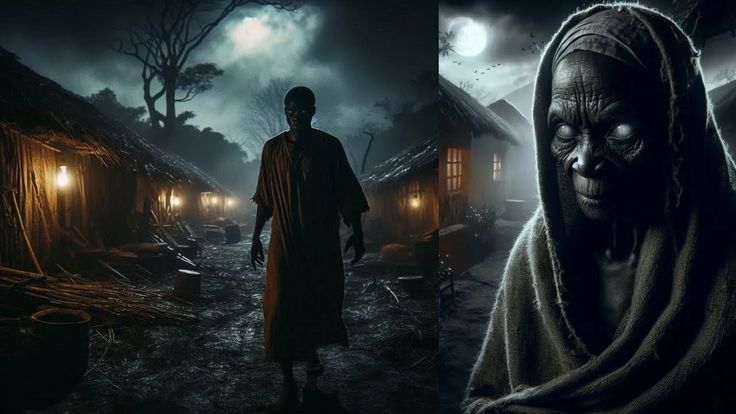
African folklore contains some of the world’s most fascinating stories about spirits, mysterious creatures, curses, witches, haunted places, and supernatural encounters.
These stories have traditionally been passed from one generation to another through oral storytelling, songs, rituals, and community gatherings. Beyond entertainment, many folklore stories teach lessons about morality, respect, family, nature, and the consequences of breaking social rules.
Modern African horror can draw heavily from these traditions. Instead of relying only on familiar horror tropes such as vampires, zombies, or haunted houses, African folklore offers supernatural worlds shaped by local beliefs, landscapes, and cultural histories.
The Power of African Folklore in Horror
Folklore gives horror stories a strong cultural foundation. A story becomes more unsettling when the supernatural elements feel connected to places, traditions, and beliefs that characters understand.
Across different African societies, supernatural beings often appear in many forms. Some stories feature spirits associated with forests, rivers, abandoned buildings, or ancestral spaces. Others involve mysterious strangers, shape-shifting creatures, witches, or beings that punish people who violate important customs.
These elements create opportunities for horror writers to explore fear from a distinctly African perspective.
Haunted Forests and Forbidden Places
Forests feature prominently in many African traditional stories. Their darkness, isolation, and unfamiliar sounds make them natural settings for horror.
A modern horror story could follow a group of young people who enter a forest despite warnings from an elderly villager. At first, they hear strange sounds and notice unexplained movements. Eventually, they discover that the warnings were not simply superstition.
The forest itself could become part of the horror. Paths might mysteriously change direction, familiar voices could come from empty spaces, and characters might repeatedly encounter objects they left behind earlier.
Such stories work because they combine a familiar African environment with an unexplained supernatural threat.
Water Spirits and River Legends
Rivers, lakes, and coastal communities provide another rich setting for African horror. Many African cultures have traditional stories involving supernatural beings associated with water. These legends can inspire stories about mysterious disappearances, strange dreams, forbidden rivers, or people who encounter supernatural figures near the water.
A horror writer could create a story about a fisherman who repeatedly hears someone calling his name from the river at night. Each time he investigates, he finds no one. Eventually, he discovers that other fishermen have heard the same voice for generations.
The story could explore the relationship between fear, memory, and the mysteries surrounding the natural world.
Witches, Curses, and Community Fear
Stories involving witchcraft have also appeared in different African oral traditions. However, horror writers can explore these themes without presenting every traditional belief as factual.
For example, a story might center on a family that inherits an old house. Shortly after moving in, family members begin experiencing strange events. Neighbours insist that the property carries a curse connected to something that happened decades earlier.
The family initially dismisses the warnings. As increasingly disturbing events occur, they begin investigating the history of the house.
This type of story can combine supernatural horror with family secrets and historical mystery.
The Horror of the Familiar
One of the strongest elements in African folklore-inspired horror is the transformation of familiar places into frightening ones.
A village compound, roadside, market, school, family house, or neighbourhood street can become terrifying after dark.
Imagine a child who notices that his grandmother always closes the windows before sunset. When he asks why, she refuses to explain. Years later, after her death, he discovers an old notebook containing warnings about what happens when certain sounds are heard outside the house at night.
The horror comes from discovering that an ordinary family routine had a supernatural reason.
Folklore and Moral Lessons
Traditional folklore often carries moral lessons, and horror can preserve this feature. A character might ignore warnings because of greed. Another might enter a forbidden location because of curiosity. Someone else might betray a family member for personal gain.
The supernatural consequences can then become part of the story’s lesson.
This approach gives African horror more depth than simply creating frightening creatures. The story can ask questions about greed, disrespect, betrayal, pride, family responsibility, and the relationship between communities and their traditions.
Creating Modern African Horror
Writers can also place folklore-inspired horror in contemporary African settings.
A supernatural story could take place in:
- A busy Lagos neighbourhood
- An old family compound in Ibadan
- A remote village in southeastern Nigeria
- A coastal community in Ghana
- A Kenyan highland town
- A South African township
- A newly developed estate built near an older settlement
- A university campus with a disturbing history
This mixture of modern life and traditional beliefs can create particularly compelling stories.
For example, a young professional might move into a newly built apartment and begin receiving strange voice notes from an unknown number. The messages appear to come from someone who lived on the land before the building existed.
The supernatural mystery could eventually lead back to an old local legend that the character had never heard before.
Preserving Culture Through Horror
African folklore-inspired horror can also contribute to cultural preservation. Many traditional stories have been transmitted orally, meaning some versions may disappear as communities change.
Writers, filmmakers, animators, and storytellers can reinterpret these traditions for modern audiences while respecting their cultural origins.
The goal should not be to treat African traditions as strange simply because they are unfamiliar. Instead, creators can explore the beliefs, symbolism, history, and values behind them.
Conclusion
African folklore provides an enormous foundation for horror storytelling. Forest legends, water spirits, ancestral stories, supernatural warnings, mysterious creatures, curses, and traditional beliefs can all inspire original narratives.
The most effective stories do more than frighten readers. They connect supernatural events to culture, history, family, morality, and the places people call home.
As African literature, film, animation, and digital storytelling continue to grow, folklore offers creators an opportunity to develop horror stories that feel both culturally grounded and genuinely unsettling.



Leave a reply







Africa’s Source for Breaking News | Entertainments | Health | Finance | Sports | Lifestyle and Business News.


