
Sports Tourism and Its Economic Impact
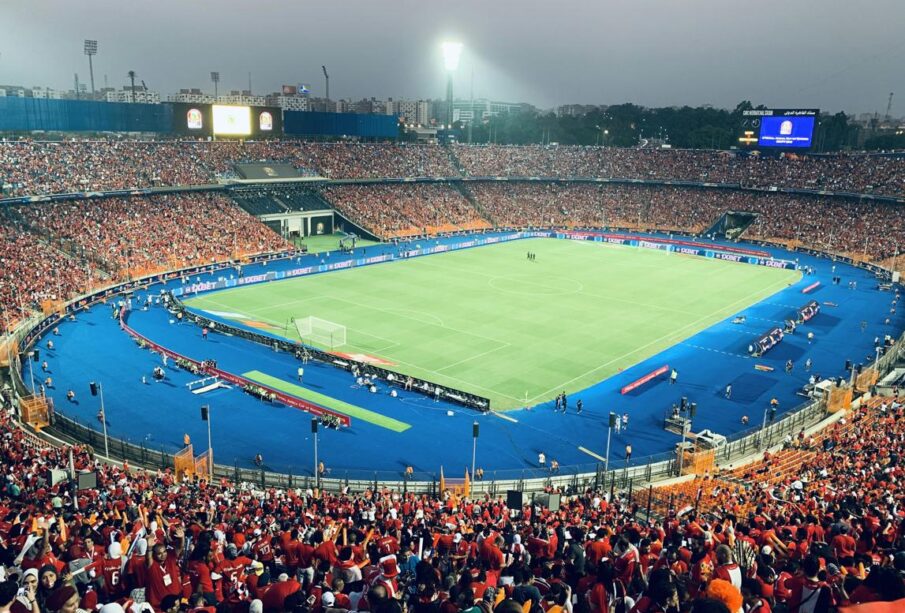
Sports Tourism and Its Economic Impact
Sports tourism has become an important part of the global tourism industry.
It combines travel with sporting events, competitions, training camps, recreational activities, and visits to famous sports destinations. Across Africa, sports tourism presents opportunities to attract visitors, create jobs, support local businesses, and generate income for communities.
What Is Sports Tourism?
Sports tourism involves travelling primarily to participate in or watch sporting activities. A traveller may visit another city to watch a football match, attend an athletics competition, participate in a marathon, or explore a famous sports venue.
Sports tourism can take several forms, including:
- Event tourism: Travelling to watch major competitions such as football tournaments, athletics championships, and continental games.
- Participatory tourism: Travelling to take part in marathons, cycling events, golf tournaments, swimming competitions, and other activities.
- Sports heritage tourism: Visiting stadiums, museums, halls of fame, and locations connected to famous athletes or sporting moments.
- Adventure sports tourism: Travelling for activities such as surfing, mountain climbing, hiking, diving, and water sports.
- Training tourism: Athletes and teams travelling to destinations for training camps and preparation.
How Sports Tourism Supports the Economy
One of the biggest economic benefits of sports tourism comes from visitor spending. Tourists need accommodation, transportation, food, entertainment, shopping, and other services during their trips.
A major sporting event can therefore benefit several industries at the same time. Hotels may receive more guests, restaurants may experience higher demand, transportation providers may gain additional customers, and local retailers can benefit from increased visitor traffic.
For example, when an international sporting event takes place in an African city, visitors may spend money not only at the stadium but also at markets, restaurants, hotels, cultural attractions, and entertainment venues.
Job Creation
Sports tourism can contribute to both direct and indirect employment.
Direct jobs may include event organisers, security personnel, ticketing staff, coaches, tour guides, hospitality workers, and transportation providers. Indirect employment can emerge through suppliers, food vendors, retailers, cleaners, construction companies, and other businesses that support sporting events.
This makes sports tourism particularly relevant to cities seeking to expand opportunities for young people and small businesses.
Opportunities for African Destinations
Africa has several natural and cultural advantages that can support sports tourism.
Countries such as Kenya and Ethiopia have strong international reputations in long-distance running. South Africa has hosted major international sporting competitions and has established tourism infrastructure around several sporting and recreational destinations. Morocco, Egypt, Ghana, Nigeria, Rwanda, and other countries also have opportunities to develop sports-related travel.

Supporting Local Businesses
Small businesses can benefit significantly when sporting events attract visitors.
A tourist attending an event may purchase meals from local restaurants, use taxis or ride-hailing services, buy souvenirs, visit attractions, or purchase locally produced clothing and crafts. If organisers deliberately connect visitors with local businesses, more tourism spending can remain within the host community.
Sports tourism can therefore create an economic chain that extends beyond the event itself.
Infrastructure Development
Large sporting events sometimes encourage investment in roads, airports, hotels, stadiums, public transportation, telecommunications, and other infrastructure.
When properly planned, these improvements can remain useful after an event ends. Better infrastructure can also make a destination more accessible to future tourists and businesses.
However, infrastructure projects require careful planning. Large investments that serve only a short-term event can create financial pressure if they remain underused afterward.
Promoting African Destinations
Sports can also function as a powerful marketing tool for tourism.
International audiences watching a football match, marathon, cycling race, or athletics competition may become more familiar with the host country. Images of its cities, landscapes, culture, food, and attractions can reach audiences who might otherwise have little exposure to the destination.
A successful sports event can therefore contribute to destination awareness and encourage future travel.
Challenges to Consider
Sports tourism also presents challenges. Major events can require significant investment, while poor transportation, limited accommodation, security concerns, inadequate facilities, or weak event management can reduce their economic benefits.
There is also the question of how tourism revenue is distributed. If local communities and small businesses receive little of the spending generated by an event, the broader economic impact may be limited.
Sustainable planning is therefore essential. Governments, tourism agencies, sporting organisations, private companies, and local communities need to coordinate their efforts.
The Future of Sports Tourism in Africa
Africa’s growing sports culture, expanding tourism industry, and young population create opportunities for sports tourism development. Countries can build around both major international events and smaller community-based competitions.
Local sporting events can be particularly valuable because they may require less investment while still attracting domestic and international visitors. Marathons, cycling tours, surfing competitions, football tournaments, and cultural sporting events can all become tourism products when supported by appropriate infrastructure and marketing.
Conclusion
Sports tourism can generate economic activity far beyond the stadium or sporting venue. It can create employment, support hospitality and transportation businesses, encourage infrastructure development, promote destinations, and provide new opportunities for local entrepreneurs.
For African countries, the opportunity lies not simply in hosting large sporting events but in developing sustainable tourism ecosystems around sport. With thoughtful planning and strong local participation, sporting activities can become an important part of the continent’s tourism economy.



Leave a reply





Africa’s Source for Breaking News | Entertainments | Health | Finance | Sports | Lifestyle and Business News.


