
How African Cities Are Tackling Traffic Challenges
How African Cities Are Tackling Traffic Challenges
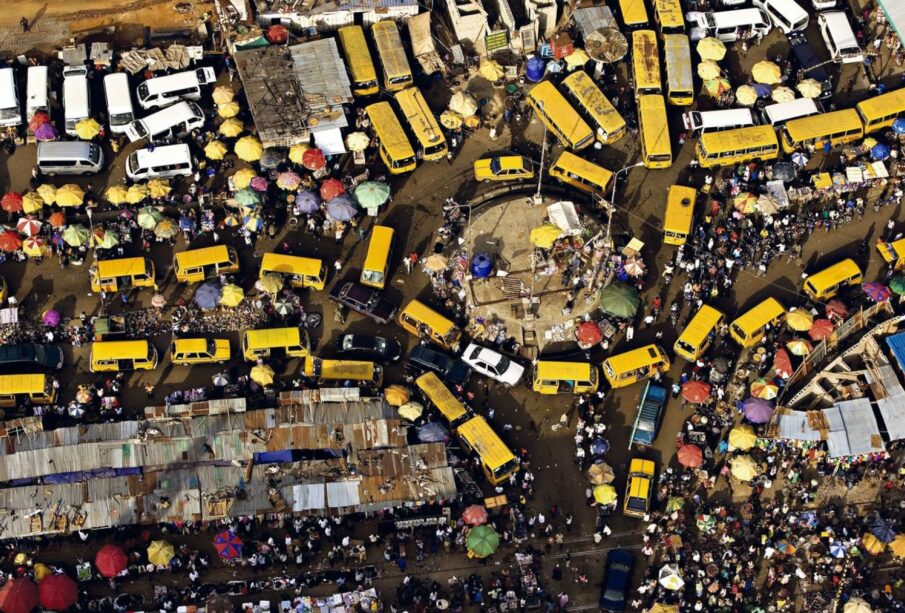
Traffic congestion has become one of the biggest challenges facing rapidly growing African cities.
As populations increase, more people move into urban areas, and vehicle ownership rises, roads in many cities struggle to keep up with demand. From Lagos to Nairobi, Accra to Johannesburg, commuters can spend hours travelling distances that should take only a fraction of the time. Congestion affects productivity, fuel consumption, air quality and the overall quality of urban life.
However, African cities are exploring new ways to manage the problem. Investments in public transportation, road infrastructure, traffic technology and alternative mobility are gradually changing how people move around urban centres.
Why Traffic Congestion Is Growing Across African Cities
Several factors contribute to Africa’s growing traffic problem. Rapid urbanisation is one of the biggest. Cities are expanding as people move from rural areas in search of employment, education and better services.
At the same time, many cities were not originally designed to accommodate today’s populations. Roads, parking spaces and public transportation networks have struggled to expand at the same pace as urban growth.
Poor road maintenance, limited public transport options, informal parking and weak traffic management can make the situation worse.
The increasing number of private vehicles also puts additional pressure on existing roads.
Expanding Public Transportation
One of the most important solutions is improving public transportation.
Cities are investing in systems that can move large numbers of passengers more efficiently than private cars.
In Lagos, for example, investments in mass transit have included bus rapid transit services and rail infrastructure. These systems give commuters alternatives to private vehicles and can reduce pressure on major roads.
Other African cities are also expanding bus networks, commuter rail systems and other forms of mass transportation.
The goal is straightforward: move more people using fewer vehicles.
Bus Rapid Transit Systems
Bus Rapid Transit, commonly known as BRT, has become increasingly popular across African cities.
Unlike conventional buses that operate in regular traffic, BRT systems typically use dedicated lanes, allowing buses to avoid some of the congestion affecting other vehicles.
Cities such as Lagos, Dar es Salaam and Johannesburg have developed BRT systems to improve urban mobility.
When properly planned and maintained, these networks can provide relatively affordable transportation while reducing travel times for large numbers of commuters.
Investing in Rail Transportation
Rail is another major component of Africa’s response to urban congestion. Rail systems can transport thousands of passengers without requiring additional road space for every commuter.
Several African cities have introduced or expanded urban rail services. Lagos, for instance, has invested in its rail network as part of a broader strategy to improve public transportation.
Rail development can also encourage people who previously relied on private cars to consider public transportation.
However, successful rail systems require significant investment, reliable maintenance and convenient connections to buses and other transport options.
Using Technology to Manage Traffic
Technology is becoming an increasingly important tool for African cities. Modern traffic management systems can use cameras, sensors and digital platforms to monitor road conditions and identify congestion.
Traffic lights can also be coordinated to improve vehicle movement along busy routes.
Some cities are introducing digital platforms that provide commuters with information about routes, transportation schedules and traffic conditions.
Real-time information allows commuters to make better decisions about when and how to travel.
Improving Traffic Enforcement
Traffic congestion is not always caused by the number of vehicles on the road.
Illegal parking, poorly positioned commercial vehicles, reckless driving and road obstructions can also create bottlenecks.
Stronger traffic enforcement can help cities keep roads moving.
Digital enforcement systems, improved road signage and better-trained traffic management personnel can make a difference.
Consistent enforcement is particularly important because traffic rules only work when road users understand that violations have consequences.
Encouraging Walking and Cycling
African cities are also beginning to pay greater attention to pedestrians and cyclists. For short journeys, walking or cycling can be more efficient than driving. However, many African cities lack safe sidewalks, pedestrian crossings and dedicated cycling infrastructure.
Creating safer walking and cycling networks can reduce the number of short car trips while improving public health.
Well-designed pedestrian areas can also make city centres more attractive and accessible.
Better Urban Planning
Traffic problems cannot be solved entirely by building more roads.
Urban planning plays an equally important role.
When homes, workplaces, schools, markets and essential services are located far apart, residents are forced to travel long distances every day.
Cities can reduce unnecessary travel by encouraging mixed-use neighbourhoods where people can access essential services closer to home.
Transit-oriented development can also place housing, businesses and public facilities around major transportation corridors.
This approach allows residents to live closer to public transportation and reduces dependence on private cars.
Supporting Informal Transport Without Ignoring Its Role
Informal transportation plays an important role in many African cities. Motorcycle taxis, minibuses, shared taxis and other informal services often reach neighbourhoods that formal public transportation does not adequately serve.
Instead of simply removing these services, some cities are exploring ways to regulate and integrate them into broader transportation systems.
Training drivers, establishing designated routes and improving vehicle safety can make informal transportation more efficient while maintaining its accessibility.
The Role of Smart Cities
The concept of smart cities is becoming increasingly relevant to traffic management. Smart transportation systems can combine information from roads, vehicles, public transport networks and commuters to improve mobility.
Data can help city authorities understand where congestion occurs most frequently and determine where infrastructure investments are most needed.
For example, transportation data can reveal peak travel periods, heavily used routes and areas where additional public transport services could have the greatest impact.
This makes traffic planning more evidence-based rather than relying entirely on assumptions.
Challenges That Remain
Despite these efforts, African cities still face significant obstacles. Transportation infrastructure can be expensive to build and maintain. Rapid population growth can also quickly overwhelm new infrastructure.
Funding remains another challenge, particularly for cities with limited municipal resources.
There are also behavioural challenges. Some commuters may continue to prefer private vehicles if public transportation is unreliable, uncomfortable or inconvenient.
Therefore, solving congestion requires more than building infrastructure. Cities need reliable services, effective regulation, long-term planning and public cooperation.
What the Future of Urban Mobility Could Look Like
The future of transportation in African cities is likely to involve several solutions working together. Rail systems can handle large commuter volumes. BRT networks can provide flexible mass transportation. Walking and cycling infrastructure can support short-distance travel, while technology can help coordinate the entire system.
Electric buses, electric motorcycles and other cleaner transportation options could also become more common as cities seek to reduce emissions and fuel costs.
The most successful cities will likely be those that avoid relying on a single solution.
Conclusion
Traffic congestion is a complex problem, but African cities are beginning to respond with increasingly innovative approaches. Expanding public transportation, investing in rail and BRT systems, improving traffic enforcement, using technology and designing more walkable neighbourhoods can all contribute to better urban mobility.
Ultimately, the goal is not simply to build more roads. It is to create cities where people can move efficiently, affordably and safely.
As Africa’s urban population continues to grow, solving traffic challenges will become increasingly important, not only for commuters, but for the economic future and quality of life of entire cities.


Leave a reply





Africa’s Source for Breaking News | Entertainments | Health | Finance | Sports | Lifestyle and Business News.


