
The Business of Food Exporting
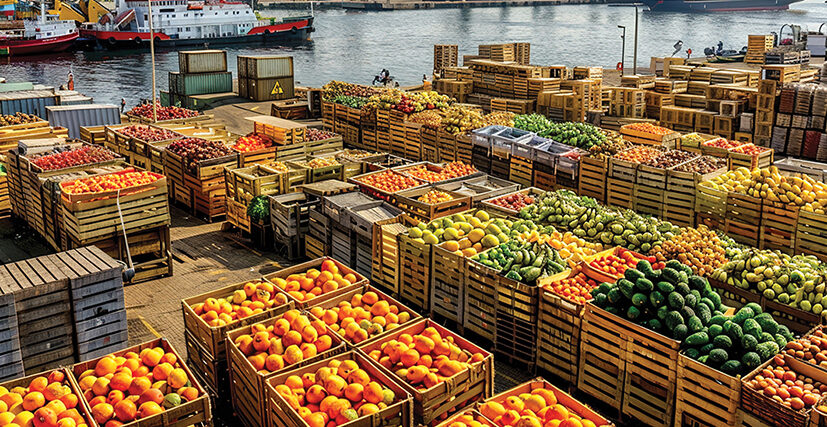
Crates of fruit in the foreground, port with ships in the background, transport of fruits and vegetables.
The Business of Food Exporting: How African Food Producers Can Reach Global Markets
Africa has a rich agricultural heritage and a growing food industry, creating significant opportunities for businesses that want to take locally produced foods to international markets. From cocoa and coffee to spices, grains, dried fruits, cassava products and processed foods, African producers are increasingly looking beyond domestic markets.
Food exporting, however, involves much more than producing a popular product. Businesses must understand international demand, food safety requirements, packaging, logistics, documentation, pricing and the expectations of overseas consumers.
Why Food Exporting Is an Opportunity for Africa
Africa produces many agricultural commodities that are in demand around the world. Countries across the continent are major producers of cocoa, coffee, sesame, cashew nuts, shea products, fruits, vegetables and other agricultural goods.
The opportunity is particularly attractive when businesses move beyond exporting raw commodities and begin processing them locally. Turning cocoa beans into chocolate, cassava into flour, fruits into dried snacks or spices into packaged consumer products can create additional value within African economies.
Products With Export Potential
African food businesses can explore several categories, including:
- Cocoa and chocolate products
- Coffee and specialty coffee
- Cashew nuts and other tree nuts
- Sesame and other seeds
- Dried fruits
- Spices and herbs
- Natural fruit juices and concentrates
- Cassava flour and starch products
- Plantain and yam products
- Cereals and grains
- Shea-based food products
- Packaged traditional foods
The strongest opportunities often come from products that combine local identity with consistent quality.
Understanding the Target Market
Before exporting, a business needs to identify where its product is likely to perform well.
A producer should research:
- Consumer preferences
- Existing competitors
- Import regulations
- Product pricing
- Packaging expectations
- Distribution channels
- Market size
- Diaspora demand
- Retail and wholesale opportunities
For example, an African food company may find an initial customer base among African communities living abroad. However, long-term growth can come from introducing the product to consumers who may have no previous connection with African cuisine.
Food Safety Is Essential
International buyers generally expect exporters to meet strict food safety and quality requirements.
Businesses may need to demonstrate that products are properly processed, packaged, labelled and stored. Depending on the destination market, exporters may also have to meet specific requirements relating to ingredients, allergens, shelf life, traceability and permitted additives.
This makes quality control essential from the farm or processing facility all the way to the customer.
Packaging Can Make or Break an Export Business
Packaging is particularly important when competing internationally. A product may be excellent, but poor packaging can make it difficult to attract buyers or survive transportation.
Export packaging should protect the food while also communicating important information clearly. Labels may need to include ingredients, nutritional information, expiry dates, storage instructions, country of origin and other information required by the destination market.
Good packaging can also help transform a traditional African food into a globally competitive consumer brand.
Logistics and Transportation
Moving food across borders presents another major challenge.
Exporters must consider:
- Transportation costs
- Customs procedures
- Warehousing
- Temperature requirements
- Shipping times
- Port infrastructure
- Insurance
- Import documentation
- Product shelf life
Perishable foods require particularly careful planning. A delay at a port or border can result in significant losses.
For this reason, many businesses begin with shelf-stable products such as dried fruits, grains, flour, spices and packaged snacks before moving into more complex perishable exports.
Adding Value Before Export
One of Africa’s biggest opportunities lies in processing agricultural products before they leave the continent.
Instead of exporting raw cocoa, businesses can produce cocoa powder or chocolate. Instead of exporting fresh fruits, they can produce dried fruit, juice or fruit concentrates.
Value addition can create jobs, increase margins and strengthen African brands in international markets.
Building a Recognisable African Food Brand
Exporting is not only about selling products. It is also about telling a compelling story.
African food brands can differentiate themselves by highlighting:
Origin: Where was the product grown or produced?
People: Who produces it?
Tradition: What cultural or culinary heritage is connected to it?
Quality: What makes the product different?
Sustainability: How does the business support farmers and communities?
A strong brand story can help an African food product compete beyond price.
Challenges Food Exporters Must Prepare For
Despite the opportunities, food exporting can be difficult for smaller businesses.
Common challenges include:
- Limited access to financing
- High transportation costs
- Complex export regulations
- Inconsistent production volumes
- Quality-control problems
- Limited international distribution networks
- Currency fluctuations
- Lack of export experience
- Difficulty meeting large orders
Businesses can reduce these risks by starting with manageable markets, developing reliable suppliers and working with experienced logistics and trade professionals.
The Role of Regional African Trade
African businesses do not necessarily have to begin by exporting outside the continent. Regional markets can provide valuable opportunities for businesses to test products, build distribution networks and understand cross-border trade.
The African Continental Free Trade Area has also created a broader framework for increasing intra-African trade and strengthening regional value chains.
For food producers, this could create opportunities to sell products across neighbouring markets before expanding to Europe, North America, Asia or the Middle East.
How Small Food Businesses Can Get Started
A small business interested in food exporting can begin with a simple process:
- Choose one export-ready product.
- Research potential destination markets.
- Understand the relevant food regulations.
- Standardise production and quality.
- Develop suitable packaging and labelling.
- Calculate the complete export cost.
- Find reliable logistics partners.
- Start with smaller shipments.
- Build relationships with distributors and retailers.
- Collect customer feedback and improve the product.
Starting small allows businesses to identify problems before committing significant capital.
Conclusion
The business of food exporting presents an important opportunity for African entrepreneurs. The continent has abundant agricultural resources, distinctive culinary traditions and a growing generation of businesses capable of turning local ingredients into internationally competitive products.
Success, however, requires more than having a good recipe. Exporters need quality, compliance, reliable production, strong branding, effective packaging and dependable logistics.
For African food businesses willing to invest in these areas, the global market offers an opportunity to turn local agricultural and culinary strengths into sustainable international brands.




Leave a reply







Africa’s Source for Breaking News | Entertainments | Health | Finance | Sports | Lifestyle and Business News.


