
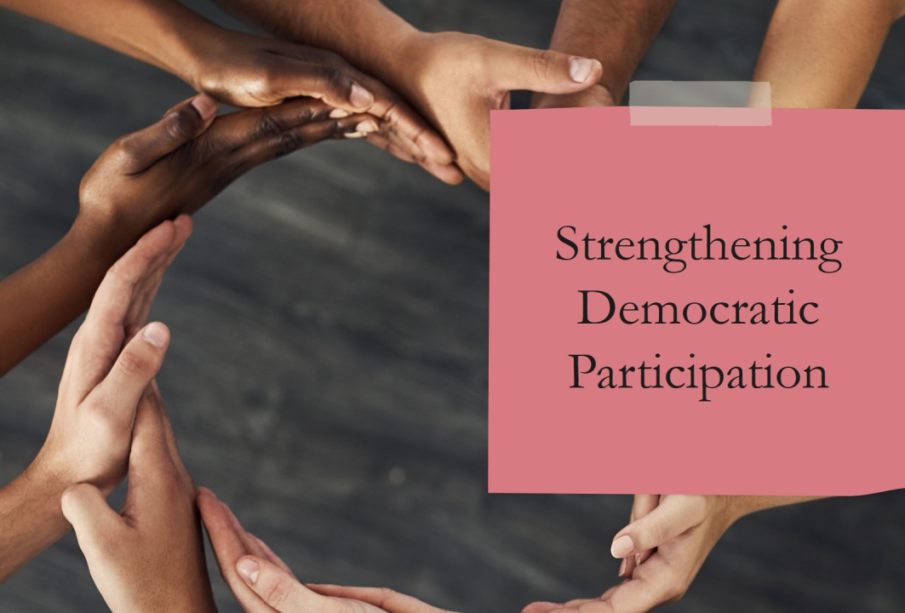
How Civic Engagement Strengthens Democracies
Democracy is often described as a government “of the people, by the people, and for the people.”
However, democracy is much more than periodic elections or the existence of political institutions. It is a living system that depends on the active participation of citizens. When people engage in the affairs of their communities and nations, democracies become more accountable, inclusive, and resilient. Conversely, when citizens disengage, democratic institutions can weaken, allowing corruption, inequality, and authoritarian tendencies to flourish.
Civic engagement is the foundation upon which healthy democracies are built. It empowers individuals to influence decisions, hold leaders accountable, solve community challenges, and contribute to the public good. From voting and volunteering to participating in public debates and advocating for policy reforms, civic engagement ensures that democracy remains dynamic rather than merely symbolic.
Understanding Civic Engagement
Civic engagement refers to the actions individuals take to improve their communities and influence public life. These activities may occur at local, regional, or national levels and can take many forms, including:
- Voting in elections
- Attending community meetings
- Volunteering for social causes
- Participating in peaceful protests
- Joining civic organizations
- Engaging in policy discussions
- Advocating for social justice
- Monitoring government performance
- Educating others about civic rights and responsibilities
Importantly, civic engagement is not limited to politics. It also includes everyday actions that strengthen communities, encourage cooperation, and promote shared responsibility.
Why Civic Engagement Matters
Strong democracies rely on informed and active citizens rather than passive observers. When people participate in civic life, they help shape the direction of public policy and ensure that government decisions reflect the needs of society.
Without citizen participation, governments may become disconnected from the people they serve. Policies can become less responsive, public trust may decline, and opportunities for corruption can increase. Civic engagement bridges this gap by creating continuous communication between citizens and public institutions.
Promoting Government Accountability
One of the greatest strengths of civic engagement is its ability to hold public officials accountable.
Elected leaders are expected to serve the interests of the public. However, accountability does not end once elections are over. Citizens play an ongoing role by:
- Monitoring government spending
- Demanding transparency
- Reporting corruption
- Participating in public consultations
- Asking questions about policy decisions
When citizens remain informed and involved, public officials are more likely to govern responsibly because they know their actions are being scrutinized.
Independent media, civil society organizations, and community watchdog groups further strengthen accountability by providing information and encouraging public participation.
Encouraging Inclusive Decision-Making
Democracy works best when every voice has an opportunity to be heard. Communities are made up of people with diverse backgrounds, cultures, beliefs, and experiences. Civic engagement creates platforms where these diverse perspectives contribute to policymaking.
When women, youth, persons with disabilities, rural communities, and marginalized populations actively participate in civic life, public policies become more inclusive and equitable.
Inclusive civic participation also helps governments identify challenges that may otherwise be overlooked, leading to more effective and sustainable solutions.
Building Social Trust
Healthy democracies depend on trust. Citizens must trust one another enough to cooperate despite political differences. Likewise, they must have confidence that institutions operate fairly and transparently.
Civic engagement helps build this trust by encouraging collaboration on common challenges. Community clean-up projects, neighborhood associations, youth initiatives, educational programs, and local volunteer activities create opportunities for people from different backgrounds to work together toward shared goals.
These interactions strengthen social cohesion and reduce polarization, making democratic societies more resilient during periods of political disagreement.
Strengthening Communities
Democracy begins at the community level.
Many civic activities focus on improving neighborhoods rather than influencing national politics. Residents who organize local projects often address issues such as:
- Environmental conservation
- Public health awareness
- Road safety
- Educational support
- Youth mentorship
- Community security
- Waste management
These grassroots initiatives improve quality of life while fostering a culture of shared responsibility. Communities with active civic participation often experience stronger social networks and greater resilience during economic or social crises.
Educating Citizens
An informed population is essential for democracy.
Civic engagement encourages citizens to learn about:
- Constitutional rights
- Electoral processes
- Government institutions
- Public policies
- National development plans
- Human rights
- Civic responsibilities
This knowledge enables people to make informed decisions during elections and public consultations.
Civic education also helps combat misinformation, political manipulation, and voter apathy by encouraging critical thinking and evidence-based decision-making.
Protecting Democratic Institutions
Democratic institutions, including legislatures, courts, electoral commissions, and independent oversight bodies—function more effectively when citizens actively support and monitor them.
Public participation helps protect these institutions from political interference by demanding fairness, transparency, and respect for the rule of law. Citizens who understand democratic processes are more likely to oppose attempts to undermine constitutional principles or weaken institutional independence.
In this way, civic engagement acts as a safeguard against democratic erosion.
Encouraging Peaceful Political Participation
Disagreements are natural in democratic societies. Civic engagement provides peaceful channels for expressing differing opinions through dialogue, elections, petitions, advocacy campaigns, and lawful demonstrations.
These mechanisms allow conflicts to be addressed constructively rather than through violence. When citizens believe they have meaningful opportunities to influence government decisions, political stability often improves because grievances are more likely to be resolved through democratic processes.
The Role of Young People
Young people are among the most influential drivers of democratic change. Across many countries, youth-led movements have successfully advocated for reforms in education, climate policy, governance, anti-corruption efforts, and digital rights.
Beyond activism, young citizens contribute through innovation, entrepreneurship, community leadership, and civic education initiatives. Encouraging youth participation ensures that democracies remain adaptable to emerging challenges and benefit from fresh perspectives.
Educational institutions, community organizations, and governments all have important roles in nurturing civic responsibility among younger generations.
Digital Civic Engagement
Technology has transformed how citizens participate in democracy. Social media, online petitions, virtual town halls, and digital advocacy campaigns have expanded opportunities for public participation.
Digital platforms enable citizens to:
- Share information rapidly
- Organize community initiatives
- Raise awareness about social issues
- Communicate directly with public officials
- Mobilize support for important causes
However, digital engagement also comes with challenges, including misinformation, online harassment, and political polarization.
Responsible digital citizenship requires verifying information, engaging respectfully, and promoting constructive dialogue.
Challenges to Civic Engagement
Despite its importance, civic participation faces several obstacles.
Political Apathy
Some citizens believe their participation will not make a difference, reducing voter turnout and public involvement.
Limited Civic Education
Without sufficient understanding of democratic processes, people may feel disconnected from public affairs.
Economic Constraints
Individuals struggling with unemployment or poverty may prioritize immediate survival over civic participation.
Misinformation
False information can discourage participation, create confusion, and undermine trust in democratic institutions.
Fear and Intimidation
In some societies, citizens may hesitate to speak openly due to concerns about retaliation or political pressure.
Addressing these challenges requires collaboration among governments, educational institutions, civil society organizations, media organizations, and citizens themselves.
How Individuals Can Get Involved
Strengthening democracy does not always require large-scale activism. Small, consistent actions can make a meaningful difference.
Citizens can:
- Vote responsibly in every election.
- Stay informed through credible news sources.
- Attend local government meetings.
- Volunteer within their communities.
- Support civic organizations.
- Encourage respectful political discussions.
- Contact elected representatives about important issues.
- Participate in community development projects.
- Promote civic education among family and friends.
- Advocate peacefully for positive social change.
Every contribution, regardless of size, strengthens democratic culture.
Civic Engagement in Africa
Across Africa, civic engagement has become an increasingly important force for democratic development. Community organizations, youth groups, women-led initiatives, religious institutions, professional associations, and civil society organizations have played vital roles in promoting transparency, advocating for human rights, supporting election observation, and encouraging peaceful political participation.
Digital technology has also expanded civic participation across the continent. Citizens now use social media, mobile platforms, and online campaigns to raise awareness about governance issues, mobilize volunteers, and engage with public officials. At the same time, ensuring access to reliable information and protecting civic freedoms remain essential for sustaining democratic progress.
As African democracies continue to evolve, active citizen participation will remain a key driver of accountable leadership, responsive governance, and inclusive development.
Conclusion
Democracy is strongest when citizens recognize that governance is a shared responsibility rather than the sole duty of elected officials. Civic engagement transforms ordinary individuals into active participants in shaping the future of their communities and nations.
Whether through voting, volunteering, advocating for policy reforms, participating in community initiatives, or engaging in informed public dialogue, every act of civic participation contributes to stronger democratic institutions.
Ultimately, democracy is not sustained by constitutions alone but by citizens who choose to participate, collaborate, and hold their leaders accountable. By embracing civic engagement, societies cultivate transparency, strengthen public trust, encourage inclusive decision-making, and ensure that democracy continues to serve both present and future generations.




Leave a reply







Africa’s Source for Breaking News | Entertainments | Health | Finance | Sports | Lifestyle and Business News.


