
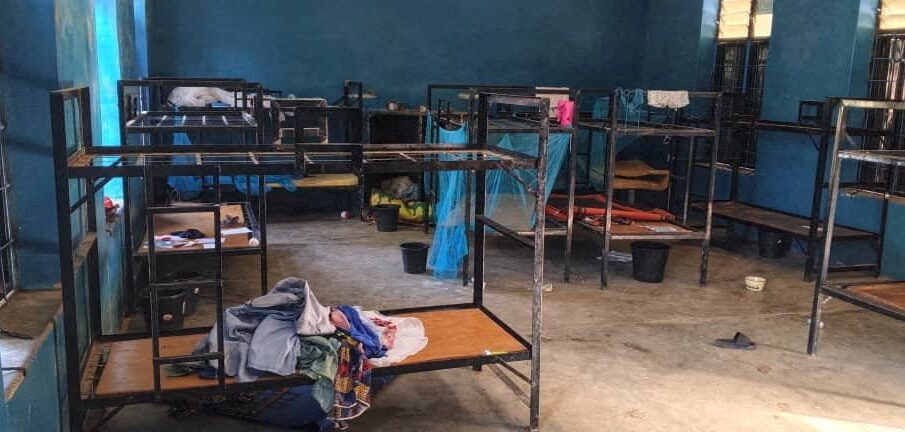
How Kidnapping Fears Are Pushing Nigerian Children Out of School
Empty Classrooms: How Kidnapping Fears Are Pushing Nigerian Children Out of School
For many Nigerian children, going to school should be one of the most ordinary parts of growing up. A school uniform, a packed lunch, a morning journey and hours spent learning should be familiar experiences. Yet, in communities affected by kidnapping, that routine is becoming increasingly difficult to maintain.
Across parts of Nigeria, fear of abduction has changed how families think about education. Parents who once worried about school fees, textbooks and examination results now have another question to answer: Is it safe to send my child to school today?
That question has serious consequences. When insecurity reaches schools and the roads children use to get there, classrooms can become quieter. Parents may keep children at home, schools may close temporarily, and teachers may become reluctant to work in high-risk communities. Over time, fear can turn temporary absences into permanent educational setbacks.
Why Kidnapping Is Affecting School Attendance
Kidnapping is not only a security problem. It is also an education problem.
Nigeria has experienced prolonged insecurity in several regions, with armed groups and criminal gangs targeting communities, travellers and, in some cases, schools. The abduction of schoolchildren has created particularly deep anxiety because schools are supposed to be safe spaces.
The memory of previous attacks continues to influence parents. The abduction of hundreds of girls from Chibok in 2014 became an international symbol of the dangers facing Nigerian students. Other incidents involving schoolchildren have occurred since then, reinforcing the fear that children can become targets simply because they are travelling to or attending school.
Even when a particular school has not been attacked, nearby incidents can change parents’ behaviour. A kidnapping on a major road, for example, may cause families to reconsider sending children to a school several kilometres away.
Fear does not need to become reality every day to affect education. The possibility of an attack can be enough.
The Journey to School Can Be as Dangerous as the Classroom
For many Nigerian children, especially those living in rural communities, attending school involves travelling significant distances.
Some walk along isolated roads. Others depend on motorcycles, buses or informal transportation. In areas where security is weak, these journeys can create opportunities for criminals to target students.
Parents therefore face a difficult calculation. A school may have classrooms, teachers and learning materials, but if the route to that school is considered unsafe, families may decide that staying home is the better option.
This problem is particularly serious for children in rural areas. Urban families may have access to schools within relatively secure neighbourhoods. Rural families often have fewer choices.
A child may therefore be forced to choose between education and safety.
Girls Often Face Additional Risks
The impact of insecurity can also be different for boys and girls.
Parents may become particularly concerned about sending adolescent girls into environments they consider unsafe. In some communities, fears of sexual violence, abduction, exploitation and forced marriage can make families more protective of girls.
This can contribute to existing gender inequalities in education.
When insecurity disrupts schooling, girls may be among those who struggle to return. A prolonged absence can increase the likelihood of early marriage, domestic responsibilities or permanent withdrawal from school.
The consequences extend beyond the individual child. When girls lose access to education, communities lose future professionals, entrepreneurs, teachers, healthcare workers and leaders.
School Closures Create a Wider Educational Crisis
When security threats become severe, closing schools can appear to be the safest immediate decision.
However, school closures create their own problems.
Children lose valuable learning time. Teachers struggle to maintain academic programmes. Parents who depend on schools while working may face additional childcare responsibilities. Examination preparation can also suffer.
The longer a school remains closed, the greater the risk that students will fall behind.
Some children may return when schools reopen. Others may not.
For families already struggling financially, an extended disruption can push children into household work, farming, street trading or other activities. Once children become accustomed to life outside school, returning to the classroom can become more difficult.
This creates a dangerous cycle: insecurity causes school disruption, disruption increases dropout risks, and reduced education can limit children’s future economic opportunities.
The Psychological Cost of Fear
The impact of kidnapping fears cannot be measured only by attendance figures.
Children who continue attending school may still experience anxiety. A student may sit in class wondering whether something will happen on the journey home. Parents may repeatedly call to check on their children. Teachers may become nervous when they hear reports of attacks nearby.
This atmosphere can affect concentration and academic performance.
Fear can also change children’s relationship with education. A place that should represent opportunity may begin to represent danger.
For children who have experienced violence directly or know someone who has been abducted, the psychological effects can be even more serious. Anxiety, nightmares, difficulty concentrating and withdrawal may affect their ability to learn.
Education therefore requires more than reopening the classroom. Children need to feel safe enough to learn.
Parents Are Trapped Between Fear and Opportunity
Parents are often portrayed as responsible for keeping children away from school during periods of insecurity. But many families are making difficult decisions with limited choices.
A parent who keeps a child at home may understand the importance of education perfectly well. The decision may simply reflect fear.
For a low-income family, the stakes can be especially high. Losing a child to kidnapping could be devastating financially and emotionally. Yet keeping that child away from school could also affect their future.
This is a painful choice between immediate safety and long-term opportunity.
The situation also places pressure on teachers. Educators may have families of their own and may not be willing to work in communities where they feel inadequately protected. If teachers leave, schools can struggle even when buildings remain open.
What Can Be Done?
Keeping Nigerian children in school requires more than security around school gates. Safety must extend to the entire education system.
First, authorities need stronger security intelligence around schools and communities considered vulnerable. Security agencies, local authorities and school administrators should work together to identify risks before they become attacks.
Second, transportation needs greater attention. Safe school routes and reliable transportation can reduce the exposure of students who travel long distances.
Third, schools in high-risk areas need emergency preparedness plans. Staff should know how to respond during security threats, communicate with parents and protect students.
Technology can also support education during temporary closures. Online learning, radio lessons and other forms of distance education can help students maintain some academic continuity. However, such solutions must recognise Nigeria’s digital divide. Many rural families do not have reliable internet access, electricity or personal devices.
Finally, children affected by violence need psychological support. Counselling should become part of the response to insecurity rather than an afterthought.
Education Cannot Survive on Security Promises Alone
Nigeria’s education crisis is closely connected to its wider security crisis. It is difficult to convince parents that education is the pathway to a better future when they fear that the journey to school could put their children in danger.
Empty classrooms should therefore be treated as more than an education statistic. They are a warning sign.
Every empty desk represents a child who may be missing lessons, friendships, examinations and opportunities. Every prolonged school closure creates another risk of permanent dropout. And every parent forced to choose between safety and education is evidence that insecurity is affecting the country’s future.
Nigeria cannot afford to lose a generation of children to fear.
The goal should not simply be to reopen schools after an attack or security threat. The goal should be to build an education system where children can attend classes without parents wondering whether they will return home safely.
A child’s future should be determined by their ability, ambition and access to education—not by the security situation on the road to school.
Until Nigerian families can confidently answer “yes” when asked whether their children are safe at school, the country’s classrooms will remain vulnerable to becoming empty.



Leave a reply





Africa’s Source for Breaking News | Entertainments | Health | Finance | Sports | Lifestyle and Business News.


