
How Renewable Energy Is Reaching Rural Communities
How Renewable Energy Is Reaching Rural Communities
For many rural communities across Africa, access to reliable electricity remains a major challenge.
Homes, schools, health centres and small businesses often depend on generators, kerosene lamps or limited connections to national power grids. However, renewable energy is changing this situation by providing cleaner and more flexible ways to generate electricity.
Solar power, small-scale wind systems, mini-grids and other renewable technologies are helping communities access energy without waiting for large national infrastructure projects. As technology becomes more affordable, renewable energy is creating new opportunities for education, healthcare, agriculture and local businesses.
Solar Power Is Leading the Change
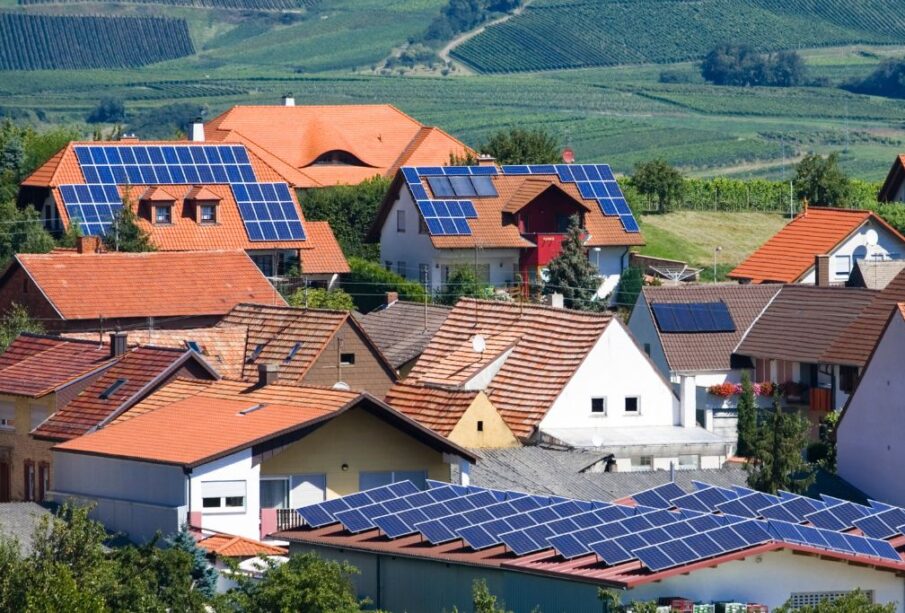
Solar energy has become one of the most practical renewable energy solutions for rural communities. Many rural areas receive plenty of sunlight throughout the year, making solar panels a useful alternative to traditional electricity sources.
Instead of connecting every home to a national grid, communities can install solar home systems that provide electricity for lighting, phone charging, fans, televisions and small appliances. These systems can serve individual households or support shared community facilities.
Solar-powered streetlights are also improving safety in rural settlements. Better lighting can make roads, markets and public spaces easier to use after dark while reducing dependence on fuel-powered generators.
Mini-Grids Are Connecting Entire Communities
Solar home systems are useful for individual households, but mini-grids can provide electricity to entire communities. A renewable-energy mini-grid typically combines local power generation, such as solar panels, with batteries and a distribution network.
This approach can supply electricity to homes, schools, clinics, shops and workshops. It can also support productive activities that require more power than a basic household solar system can provide.
For rural communities located far from major cities, mini-grids can offer a faster alternative to waiting for national grid expansion.
Renewable Energy Is Supporting Rural Businesses
Reliable electricity can make a significant difference to rural entrepreneurs. Small businesses often lose money when they cannot operate equipment or store products properly.
With renewable energy, farmers can power irrigation pumps, while food businesses can operate refrigerators and freezers. Tailors can use electric sewing machines, carpenters can operate tools and small shops can keep their businesses open for longer.
Access to electricity can therefore move beyond household convenience. It can become an important part of local economic development.
Agriculture Is Benefiting From Clean Energy
Agriculture remains central to many rural economies, and renewable energy is creating new ways for farmers to improve productivity.
Solar-powered irrigation systems can help farmers pump water without depending heavily on diesel or petrol. Solar-powered cold storage can also help reduce food losses by keeping fruits, vegetables, dairy products and other perishable goods at suitable temperatures.
Processing equipment powered by renewable energy can further help communities add value to agricultural products locally. Instead of selling raw crops immediately, farmers and cooperatives can process, package and preserve some products before taking them to larger markets.
Rural Healthcare Is Gaining Greater Reliability
Electricity plays an important role in healthcare. Clinics need power for lighting, refrigeration, medical equipment, communication and emergency services.
In areas where grid electricity is unreliable or unavailable, solar systems with battery storage can provide a dependable source of power. This can help health workers operate essential equipment and store temperature-sensitive medicines and vaccines.
Reliable electricity also improves conditions for healthcare workers and patients, particularly when clinics need to provide services at night.
Schools Can Use Renewable Energy to Improve Learning
Education is another area where rural communities can benefit from renewable energy. Electricity allows schools to provide better lighting, operate computers and charge digital learning devices.
Students can study after sunset without relying on kerosene lamps or candles. Teachers can also use digital resources, projectors and internet-enabled devices where connectivity is available.
In some communities, schools can serve as shared technology centres, giving students and residents access to electricity and digital tools beyond normal school hours.
New Financing Models Are Making Energy More Accessible
One major challenge remains affordability. Although renewable energy systems can reduce long-term energy costs, the initial purchase price may still be difficult for low-income households.
To address this problem, companies, governments and development organisations are experimenting with different financing models. Pay-as-you-go solar systems, for example, allow customers to make smaller payments over time rather than paying the full cost upfront.
Community ownership models can also allow residents to contribute to and benefit from shared energy infrastructure.
These approaches are helping make renewable energy more accessible to people who might otherwise struggle to purchase a complete system.
Challenges Still Need Attention
Despite its progress, rural renewable energy faces several challenges. Equipment can be expensive, especially in communities with limited financial resources. Batteries also require maintenance and eventual replacement.
Technical skills can present another challenge. When systems develop problems, rural communities may have difficulty finding qualified technicians nearby.
Poor roads and long distances can also make it harder for companies to deliver equipment and provide maintenance services. Policymakers and energy providers therefore need to consider not only installation but also long-term support.
The Future of Rural Energy
The growth of renewable energy offers rural communities an opportunity to build more independent and resilient energy systems. As solar panels, batteries and other technologies become more efficient, communities can potentially generate more electricity at lower costs.
The benefits can extend far beyond turning on a light. Reliable renewable energy can support education, healthcare, agriculture, entrepreneurship and communication.
For Africa’s rural communities, the transition to renewable energy is not simply about replacing fossil fuels. It is about creating practical pathways to better living conditions and stronger local economies. With the right investment, financing, skills and infrastructure, renewable energy can help bring reliable power to communities that have remained underserved for generations.



Leave a reply






Africa’s Source for Breaking News | Entertainments | Health | Finance | Sports | Lifestyle and Business News.


