
Culinary Traditions Passed Down Through Generations
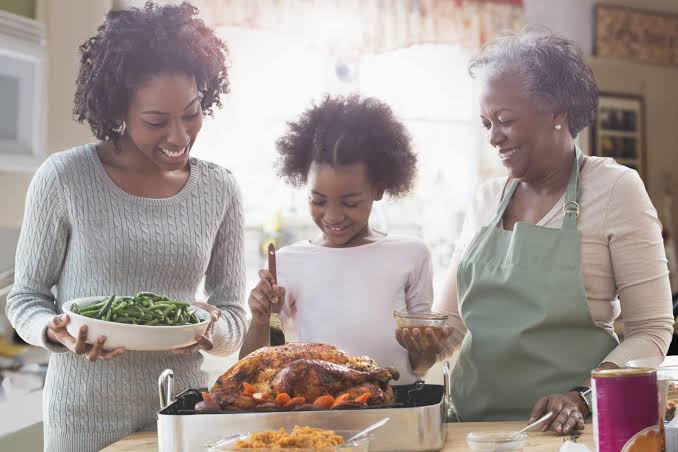
Culinary Traditions Passed Down Through Generations
Food is more than something we eat to satisfy hunger.
Across Africa and many other parts of the world, food carries memories, values, stories, and cultural identity. Recipes passed from parents to children often preserve traditions that have survived for generations. From the way ingredients are selected to the methods used to prepare and serve meals, culinary traditions connect families with their history.
In many African communities, cooking knowledge once moved naturally from one generation to another. Grandparents taught parents, parents taught children, and each generation added its own small improvements. Even as modern lifestyles change the way people cook and eat, these traditions continue to influence family meals and cultural celebrations.
The Family Kitchen as a Classroom
For many families, the kitchen becomes an informal classroom where children learn more than recipes. They learn patience, responsibility, cooperation, and respect for cultural practices.
A young person may begin by washing vegetables, sorting grains, pounding spices, or helping with simple preparations. Over time, these small tasks become opportunities to observe experienced cooks. They learn how much seasoning to use, how long food should cook, and how to recognize when a meal has reached the right texture.
Unlike written recipes, traditional cooking often relies on observation and experience. A grandmother may say, “Add enough water,” rather than provide an exact measurement. A parent may teach a child to judge the heat of a cooking fire by sight. These lessons create practical knowledge that becomes easier to understand through repeated practice.
Recipes Carry Family Memories
Certain meals become closely associated with family memories. A particular soup may remind someone of Sunday lunches at their grandparents’ home. A traditional snack may bring back memories of childhood celebrations. Even the smell of a familiar dish can transport people back to a specific time and place.
This emotional connection gives traditional food a special role within families. Preparing an old recipe can become a way of remembering relatives who are no longer around. Their cooking techniques, preferences, and stories remain part of the family through the meals they taught others to prepare.
Food can therefore serve as an important form of family history. While photographs and documents preserve some memories, recipes preserve memories through taste and experience.
African Cuisine and Cultural Identity
Africa has an enormous variety of culinary traditions. Different regions have developed distinctive dishes based on local crops, livestock, climate, trade, and cultural practices.
West African households, for example, have long relied on ingredients such as cassava, plantain, yams, beans, rice, peppers, vegetables, and a wide range of spices. In East Africa, foods such as maize, beans, bananas, and various grains feature prominently in many traditional diets. Southern, Central, and Northern African cuisines also reflect their own unique ingredients and cooking methods.
These traditions demonstrate how communities have adapted food to their environments. Recipes often reveal what people could grow, harvest, trade, or preserve. They also show how migration and cultural exchange influenced local cuisines over time.
Traditional Cooking Methods
The knowledge passed between generations does not involve ingredients alone. Traditional cooking methods are equally important.
Before modern appliances became common, families relied on wood fires, charcoal stoves, clay pots, grinding stones, mortars, pestles, and other simple tools. These methods required patience and physical effort, but they also produced distinctive flavors and textures.
Some families continue to use traditional techniques during festivals, weddings, religious celebrations, and other important occasions. Even when modern equipment makes cooking faster, traditional methods can provide a stronger connection to cultural heritage.
For younger generations, learning these techniques can offer an opportunity to understand how previous generations prepared food without the conveniences available today.
Celebrations Keep Food Traditions Alive
Cultural celebrations provide another important way for traditional recipes to survive. Weddings, naming ceremonies, festivals, holidays, funerals, and family reunions often bring relatives together around familiar dishes.
During these occasions, older family members may prepare meals that younger people rarely make in their everyday lives. Children and teenagers watch, participate, and develop an appreciation for foods connected to their heritage.
Community celebrations can also bring together people from different generations. An older cook might explain the history behind a particular dish while younger relatives help with preparation. In this way, a meal becomes both a celebration and a lesson in cultural history.
Modern Life Is Changing Traditional Cooking
Modern lifestyles have changed how many families prepare food. Busy work schedules, urban living, convenience foods, changing diets, and the growing popularity of restaurants can reduce the time available for traditional cooking.
Young people may also move away from their hometowns or countries, making it harder to learn recipes directly from older relatives. Some traditional ingredients may become expensive or difficult to find in cities.
However, technology is creating new ways to preserve culinary knowledge. Families now record grandparents cooking, photograph traditional dishes, write down recipes, and share cooking tutorials online. Social media has also helped younger cooks rediscover traditional foods and introduce them to new audiences.
Passing Traditions to the Next Generation
Preserving culinary traditions does not mean refusing to embrace modern cooking. Families can combine traditional knowledge with contemporary lifestyles.
Parents and grandparents can involve children in meal preparation, explain the history behind familiar dishes, and encourage them to ask questions. Families can also create written or digital collections of recipes so that important cooking knowledge does not disappear.
Schools, cultural organizations, food entrepreneurs, and community groups can contribute as well. Cooking workshops and cultural food festivals can introduce younger generations to traditional ingredients and techniques in engaging ways.
Most importantly, traditional food should remain relevant. Younger cooks may adapt old recipes by using new equipment, adjusting ingredients, or presenting dishes differently. Such changes do not necessarily destroy tradition. They can help traditions remain alive.
Preserving More Than Recipes
Culinary traditions are valuable because they preserve much more than instructions for preparing food. They preserve stories, relationships, values, creativity, and cultural identity.
Every generation has the opportunity to contribute to this history. An old family recipe can remain unchanged, or it can evolve while retaining its cultural meaning. What matters is that the knowledge continues to move from one generation to another.
As families gather around shared meals, they create new memories while keeping old ones alive. The dishes prepared in today’s kitchens may become the treasured traditions of tomorrow.
Ultimately, culinary traditions remind us that food can connect the past, present, and future. A recipe passed down through generations is not simply a meal. It is a piece of heritage, carried forward through every person who learns to prepare, share, and appreciate it.




Leave a reply





Africa’s Source for Breaking News | Entertainments | Health | Finance | Sports | Lifestyle and Business News.


