
Indigenous African Fruits With Global Potential
Indigenous African Fruits With Global Potential
Africa is home to a remarkable variety of indigenous fruits with nutritional, cultural, and economic value.
Fruits such as baobab, African star apple, tamarind, marula, bush mango, and safou have supported local communities for generations. However, many remain relatively unknown in international markets.
As consumers around the world increasingly seek natural ingredients, nutritious foods, plant-based products, and culturally distinctive flavours, these fruits could create new opportunities for African farmers, food processors, exporters, and entrepreneurs.
1. Baobab
Baobab fruit is one of Africa’s most recognised indigenous fruits. The naturally dry pulp contains vitamin C, fibre, minerals, and other nutrients. Its distinctive tangy flavour makes it useful in beverages, smoothies, snacks, desserts, and functional food products.
Baobab also has an advantage in food processing because its dry pulp can be stored and transported without the same challenges associated with highly perishable fresh fruit.
2. African Star Apple
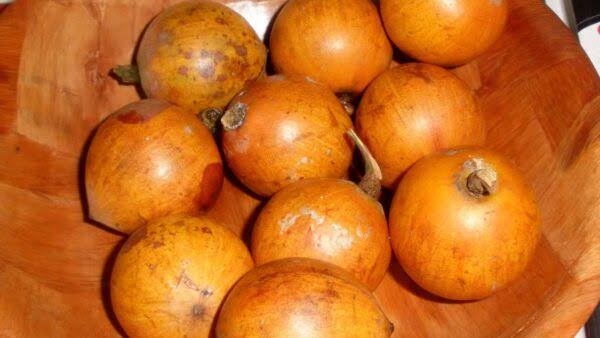
Known in different regions by names such as agbalumo and udara, African star apple is popular across parts of West and Central Africa. Its sweet and slightly acidic flavour makes it suitable for juices, jams, sweets, yoghurt products, and other processed foods.
Better processing and packaging could help extend its availability beyond its traditional growing seasons.
3. Tamarind
Tamarind is widely used across Africa, particularly in drinks, sauces, sweets, and traditional food preparation. Its distinctive sweet-and-sour flavour gives it potential as an ingredient for international beverages, sauces, confectionery, and culinary products.
African entrepreneurs could also develop ready-to-use tamarind concentrates and packaged products for export markets.
4. Marula
Marula grows in several parts of southern Africa and has long-standing cultural and economic importance. The fruit can be processed into juices, beverages, preserves, oils, and other products.
Its story of traditional use, local harvesting, and African origin can also give products made from marula a strong identity in speciality food markets.
5. Bush Mango
Bush mango, commonly known as ogbono in Nigeria, is particularly important in West African cuisine. Although its seeds are better known internationally within African food communities, they also demonstrate how indigenous food ingredients can develop commercial markets beyond their original communities.
Improved processing, packaging, branding, and international distribution could introduce more consumers to products derived from the fruit.
6. Safou
Safou, sometimes called African plum, is an important fruit in parts of Central Africa. It is commonly cooked or prepared in ways that differ from how many internationally traded fruits are consumed.
This unique culinary profile could create opportunities for ready-to-eat products, sauces, spreads, snacks, and other processed foods.
Turning Indigenous Fruits Into Global Products
Growing international interest alone will not create successful export markets. African businesses need reliable supply chains, appropriate processing facilities, food-safety standards, attractive packaging, and consistent quality.
Farmers can benefit when processors establish reliable purchasing arrangements. Processors, meanwhile, can create longer-lasting products by turning seasonal fruits into powders, concentrates, dried snacks, beverages, jams, and other value-added products.
Brand storytelling can also play an important role. Instead of presenting indigenous fruits simply as unfamiliar commodities, companies can communicate their origins, traditional uses, farming communities, and distinctive characteristics.
Supporting African Farmers and Entrepreneurs
The commercialisation of indigenous fruits could create opportunities across the agricultural value chain. Farmers could gain additional markets, while processors could develop new product lines. Transporters, packaging companies, retailers, and exporters could also benefit from increased demand.
However, commercial expansion should include sustainable harvesting and fair relationships with producing communities. Building demand without protecting the resource base could create long-term problems.
The Opportunity Ahead
Indigenous African fruits have potential beyond their traditional markets. Their nutritional characteristics, distinctive flavours, cultural heritage, and connection to African agriculture can provide foundations for innovative food businesses.
With better research, processing, branding, quality control, and market access, fruits that are currently familiar mainly within African communities could become ingredients in products consumed around the world. The opportunity is not simply to export African fruits, but to build competitive African businesses around them.




Leave a reply







Africa’s Source for Breaking News | Entertainments | Health | Finance | Sports | Lifestyle and Business News.


