
Local Food Processing Businesses Creating Jobs
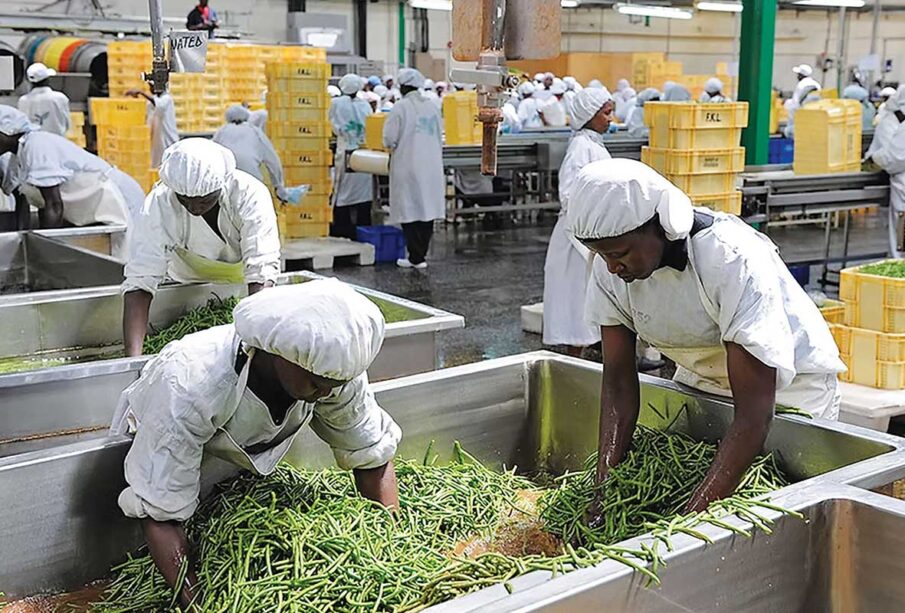
Local Food Processing Businesses Creating Jobs
Local food processing businesses are becoming an important source of employment and economic opportunity across Africa.
By turning locally grown agricultural products into finished or semi-finished goods, these businesses create jobs while helping communities earn more from their natural resources.
Instead of selling crops immediately after harvest, farmers and entrepreneurs can work together to process products such as cassava, maize, tomatoes, fruits, vegetables, grains, spices, and palm products. This approach adds value to agricultural goods and creates opportunities for workers at different stages of the supply chain.
Turning Local Crops Into Opportunities
Food processing begins with agricultural products, but the process creates many jobs beyond farming. A small business that produces packaged flour, dried fruits, tomato products, spices, or snacks may need workers for sorting, washing, processing, packaging, storage, transportation, sales, and administration.
This means one processing facility can support several types of employment. As the business grows, it may also create opportunities for accountants, marketers, equipment technicians, delivery workers, designers, and customer service staff.
The wider community can benefit as well. Businesses that purchase raw materials locally create a reliable market for farmers, while transport operators and suppliers gain more customers.
Reducing Food Waste
Food processing can also help address post-harvest losses. Fresh agricultural products often spoil quickly when farmers lack adequate storage, transportation, or reliable buyers.
Processing can extend the useful life of many products. Fruits can become dried snacks or juices. Tomatoes can become paste or packaged sauces. Cassava can be processed into flour or other products. Grains can be cleaned, milled, and packaged for consumers.
When fewer products go to waste, farmers can potentially earn more from their harvests. Processing businesses also gain access to products that can remain on the market for longer periods.
Supporting Small Farmers
Local processors can create stronger connections between farmers and markets. Instead of relying entirely on informal buyers, farmers may supply processing businesses that need consistent quantities of raw materials.
This relationship can encourage farmers to improve production quality and plan their harvests according to market demand. Processors, in turn, benefit from having dependable local suppliers.
When these relationships work well, both sides can grow together. Farmers gain customers, while processors gain access to the ingredients they need to maintain production.
Creating Opportunities for Young People
Youth unemployment remains a major challenge in many African communities. Local food processing can provide different entry points for young people who may not have access to formal employment.
Young workers can find roles in production, digital marketing, packaging, logistics, sales, machine operation, and business administration. Some may eventually use their experience to establish their own food businesses.
Technology is also creating new opportunities. Young entrepreneurs can promote locally processed foods through social media, accept orders online, and connect directly with customers.
Encouraging Women Entrepreneurs
Food processing also offers opportunities for women to build businesses and generate income. Many women already have experience producing traditional foods, snacks, spices, baked goods, and other food products on a small scale.
With access to better equipment, training, financing, packaging, and markets, these activities can develop into sustainable enterprises.
Women-led food processing businesses can contribute to household income while creating employment for other members of the community.
Adding Value to Agricultural Products
One of the biggest advantages of local processing is value addition. Selling raw crops often provides farmers with limited returns, particularly when there is a surplus during harvest seasons.
Processing allows businesses to create products that can command higher prices. Proper packaging and branding can further increase their appeal to consumers.
For example, instead of selling fresh fruit alone, a business could produce dried fruit, juice, jams, or other shelf-stable products. Each additional stage can create more economic activity and employment.
Building Local Supply Chains
Successful food processing businesses need more than workers inside a factory or workshop. They depend on a wider network of suppliers and service providers.
Farmers provide raw materials. Packaging companies supply containers and labels. Transporters move products. Equipment technicians maintain machinery. Retailers sell finished goods, while marketing professionals help businesses reach customers.
This interconnected system means the economic impact of a processing business can extend well beyond its physical location.
Challenges Facing Local Processors
Despite their potential, local food processing businesses face several challenges. Access to financing can be difficult, especially for small entrepreneurs who need equipment or working capital.
Unreliable electricity can also increase production costs. Poor roads and transportation networks may make it difficult to move agricultural products quickly. Businesses must also meet food safety requirements and maintain consistent product quality.
Training is another important factor. Entrepreneurs need knowledge of food handling, packaging, bookkeeping, marketing, equipment maintenance, and regulatory requirements.
Addressing these challenges can make local processing businesses more competitive and sustainable.
The Role of Technology
Technology can help small processors improve efficiency. Modern processing equipment can reduce manual work and increase production capacity. Digital payment systems can simplify transactions, while social media can help businesses promote their products.
Simple technologies can also make a significant difference. Proper refrigeration, drying equipment, weighing machines, sealing machines, and storage systems can improve product quality and reduce waste.
As technology becomes more accessible, small processors can gradually adopt tools that match their budgets and production needs.
Creating Stronger Local Economies
Local food processing businesses do more than produce packaged food. They can strengthen local economies by keeping more economic activity within communities.
When farmers sell to nearby processors, processors employ local workers, and consumers purchase locally produced goods, money circulates through the local economy. This creates a stronger connection between agriculture, manufacturing, retail, and logistics.
Governments, financial institutions, development organizations, and private investors can support this growth through affordable financing, infrastructure improvements, training programs, and business development services.
A Promising Future for Local Food Processing
The growth of local food processing presents an opportunity to connect agriculture with entrepreneurship and employment. As African populations and cities continue to grow, demand for convenient, safe, affordable, and locally produced food is likely to remain strong.
With the right investment, small and medium-sized processors can expand production, create more jobs, reduce food waste, and provide farmers with stronger markets.
Local food processing shows that job creation does not always require large factories or multinational companies. A well-managed processing business built around locally available agricultural products can create meaningful opportunities while strengthening the community around it.
By investing in local processing, communities can turn agricultural resources into businesses, businesses into jobs, and jobs into broader economic opportunities.




Leave a reply




Africa’s Source for Breaking News | Entertainments | Health | Finance | Sports | Lifestyle and Business News.


