
The Rise of Sustainable Food Businesses
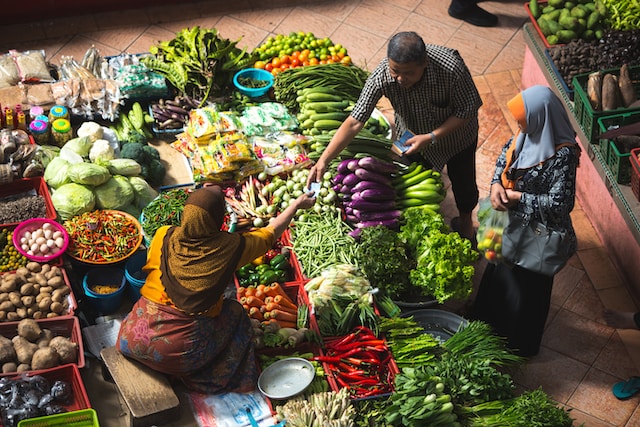
The Rise of Sustainable Food Businesses
The food industry is changing as consumers, businesses, and communities become more aware of the environmental and social impact of food production.
From small farms and local food vendors to restaurants and food delivery companies, sustainability is becoming an important part of how food businesses operate.
Sustainable food businesses focus on meeting today’s food needs while reducing waste, protecting natural resources, supporting local communities, and building businesses that can remain successful over time. Across Africa, this movement is creating new opportunities for entrepreneurs and encouraging more responsible approaches to food production and distribution.
What Is a Sustainable Food Business?
A sustainable food business is one that considers more than profit. It also looks at how its activities affect the environment, workers, suppliers, customers, and surrounding communities.
This can involve sourcing ingredients locally, reducing food waste, using environmentally friendly packaging, conserving water and energy, supporting farmers, or creating systems that make better use of food that might otherwise be discarded.
Sustainability does not require every business to completely transform its operations overnight. Small, consistent improvements can make a meaningful difference.
Why Sustainable Food Businesses Are Growing
Several factors are contributing to the growth of sustainable food businesses. Consumers are becoming more interested in where their food comes from and how it is produced. At the same time, rising operating costs are encouraging businesses to reduce waste and use resources more efficiently.
Food waste is another major concern. Businesses that find ways to preserve excess food, reuse suitable ingredients, improve portion control, or connect surplus food with communities can reduce waste while potentially improving their bottom line.
Technology is also making sustainable practices easier to implement. Digital ordering systems, inventory management tools, food delivery platforms, and data analytics can help businesses monitor demand and reduce unnecessary purchases.
Supporting Local Farmers
One of the strongest ways food businesses can become more sustainable is by working with local farmers and producers.
Buying locally can create markets for farmers while reducing dependence on long and complicated supply chains. It can also help businesses access seasonal ingredients that reflect local food culture.
Restaurants, supermarkets, caterers, and food manufacturers can develop relationships with farmers instead of relying exclusively on distant suppliers.
These partnerships can create a stronger connection between food producers and consumers.
Reducing Food Waste
Food waste represents both an environmental and financial challenge. Restaurants and food retailers can reduce waste by carefully tracking inventory, improving storage, adjusting portion sizes, and using ingredients more creatively.
For example, fruit that is no longer attractive enough to sell fresh could potentially be used in smoothies, sauces, jams, or baked products where appropriate.
Food businesses can also donate safe surplus food through suitable community initiatives instead of allowing edible products to go to waste.
Sustainable Packaging
Packaging is another area receiving increasing attention.
Traditional food packaging can create significant waste, particularly when single-use materials are involved. Sustainable food businesses are exploring alternatives such as recyclable, reusable, compostable, or biodegradable packaging.
However, businesses should consider the entire life cycle of packaging rather than simply choosing products labelled as environmentally friendly. Practicality, cost, food safety, durability, and local waste-management systems all matter.
For small African businesses, affordable packaging solutions that work within local recycling and waste-collection systems may be particularly valuable.
Technology and Sustainable Food Production
Technology is helping food businesses improve efficiency. Farmers can use digital tools to monitor crops, weather conditions, irrigation, and market demand. Food retailers can use inventory systems to understand which products sell quickly and which are frequently wasted.
Restaurants can also use digital ordering data to forecast demand and purchase ingredients more accurately.
As technology becomes more accessible, even small businesses can adopt simple digital systems that help them save money while reducing unnecessary resource use.
The Role of Urban Food Businesses
Urban food businesses have an important role to play in sustainable food systems.
Restaurants, food vendors, supermarkets, caterers, and delivery companies operate close to large populations. Their decisions can influence how food is produced, packaged, transported, and consumed.
Urban businesses can support sustainability by sourcing from nearby producers, reducing unnecessary transportation, managing food waste, and educating customers about responsible consumption.
Urban farming can also create opportunities to produce herbs, vegetables, and other crops closer to consumers.
Sustainability Can Create New Business Opportunities
Sustainability is not simply a cost or responsibility. It can also become a source of innovation. Entrepreneurs can build businesses around food recovery, reusable packaging, organic farming, plant-based products, local ingredients, food preservation, composting, and efficient delivery.
For example, a business could collect suitable food surplus from restaurants and retailers and redirect it through appropriate channels. Another entrepreneur could create products from locally available ingredients that are often overlooked.
These ideas demonstrate how environmental challenges can inspire new business models.
Challenges for Sustainable Food Businesses
Despite its potential, sustainable food entrepreneurship comes with challenges.
Environmentally responsible equipment and packaging can sometimes cost more upfront. Small businesses may also struggle to access reliable suppliers, financing, technology, or adequate waste-management infrastructure.
There is also the challenge of educating customers. If sustainable products are significantly more expensive, some consumers may find it difficult to choose them consistently.
Successful businesses therefore need to find a balance between sustainability, affordability, quality, and profitability.
Building a Sustainable Food Business
Entrepreneurs interested in sustainability can start with practical steps. They can measure how much food they purchase and waste, review their packaging, identify local suppliers, improve storage practices, and monitor energy and water use.
They can also involve employees in sustainability initiatives and communicate honestly with customers about the changes they are making.
The most effective approach is usually one that combines environmental responsibility with sound business management.
The Future of Sustainable Food Businesses in Africa
Africa’s growing cities, expanding food markets, and entrepreneurial communities provide significant opportunities for sustainable food businesses. As consumers become more conscious of food waste, packaging, sourcing, and environmental impact, businesses that respond thoughtfully may gain a competitive advantage.
The future of the food industry will not be defined only by what businesses sell. It will also be shaped by how responsibly they produce, package, transport, and manage those products.
Sustainable food businesses have the opportunity to create healthier communities, support local producers, reduce waste, and build stronger enterprises. With practical innovation and long-term thinking, sustainability can become not just a business trend but a foundation for the future of Africa’s food economy.




Leave a reply




Africa’s Source for Breaking News | Entertainments | Health | Finance | Sports | Lifestyle and Business News.


