
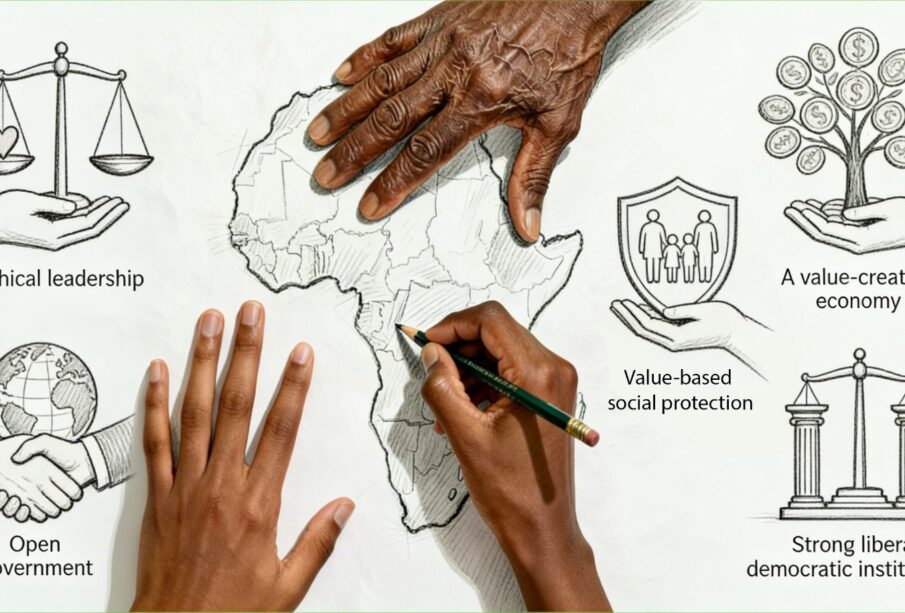
Major Political Reforms Shaping African Nations
Across Africa, political systems are changing as governments, citizens, civil society groups and younger generations push for stronger institutions and more accountable leadership.
These changes take different forms, from electoral reforms and constitutional amendments to efforts to strengthen courts, improve public participation and decentralize government.
Political reform rarely happens quickly. It often develops through public pressure, elections, court decisions, legislative changes and national debates. While each country faces unique challenges, several broad reform trends are shaping the continent.
Strengthening Electoral Systems
Electoral reform remains one of the most important political issues across African nations. Citizens increasingly expect elections to be transparent, competitive and credible.
Governments and electoral commissions have introduced measures such as voter registration systems, biometric identification, electronic result transmission and improved voter education. These technologies can reduce certain forms of electoral fraud and make election administration more efficient.
However, technology alone cannot guarantee credible elections. Independent electoral institutions, transparent procedures and public trust remain equally important.
Constitutional Reform and Democratic Institutions
Constitutions provide the foundation for how countries organize political power. In several African nations, constitutional reform has focused on presidential powers, term limits, judicial independence, parliamentary authority and the distribution of power between national and local governments.
When constitutional changes involve broad public consultation, they can help strengthen democratic institutions. However, controversial amendments can also create political tension, particularly when citizens believe leaders are changing constitutional rules to extend their time in office.
For this reason, constitutional reform requires transparency and meaningful public participation.
Decentralization and Local Government
Another important reform involves moving some decision-making responsibilities from national governments to local authorities.
Decentralization can give communities greater influence over issues such as education, healthcare, roads, sanitation and local economic development. When local governments receive adequate funding and administrative support, they can respond more quickly to community needs.
For many African countries, successful decentralization depends on clearly defining responsibilities and ensuring that local authorities have the resources required to perform them.
Greater Focus on Public Accountability
Citizens are demanding greater accountability from political leaders. Civil society organizations, journalists and community groups increasingly use digital platforms to monitor government activities and raise concerns about corruption or poor public services.
Transparency initiatives can also make government information more accessible. Publishing budgets, procurement information and public spending data can help citizens understand how public resources are being used.
Accountability becomes stronger when independent institutions can investigate wrongdoing without political interference.
Youth Participation in Politics
Africa has one of the world’s youngest populations, making youth participation an important part of political reform.
Young people are becoming more involved through voting, activism, entrepreneurship, community organizations and digital campaigns. Social media has also created new spaces for political discussion and civic engagement.
However, many young Africans still face barriers to formal political participation. Political parties and institutions can strengthen democracy by creating more opportunities for young people to contribute to policymaking and leadership.
Expanding Women’s Political Representation
Improving women’s participation in politics is another area of reform. Some African countries have introduced quotas or other measures designed to increase the number of women in legislatures and public institutions.
Greater representation can bring a wider range of experiences into political decision-making. However, increasing numbers alone are not enough. Women in political positions also need meaningful opportunities to influence policy and participate in leadership.
Political parties, electoral institutions and governments all have roles to play in creating more inclusive political systems.
Judicial and Institutional Independence
Strong democratic systems require institutions that can operate independently. Judicial reforms in some African countries have focused on improving court administration, strengthening legal frameworks and protecting judicial independence.
An independent judiciary can help ensure that laws apply fairly and that citizens have mechanisms for challenging government decisions.
The effectiveness of these reforms depends on factors such as adequate funding, professional standards and respect for the rule of law.
Fighting Corruption Through Institutional Reform
Corruption remains a major concern because it can reduce public trust and divert resources away from essential services.
African governments have introduced anti-corruption agencies, public procurement reforms, financial disclosure requirements and digital government systems to reduce opportunities for abuse.
Digital systems can make some government processes more transparent by reducing unnecessary human interactions and creating electronic records. Still, technology must work alongside strong enforcement and independent oversight.
The Role of Civil Society and the Media
Political reform does not come only from governments. Civil society organizations, journalists, professional associations and community groups often play important roles in demanding change.
An independent media can investigate public institutions and give citizens access to information. Civil society organizations can also educate voters, monitor elections and advocate for policy reforms.
Protecting freedom of expression and peaceful civic participation therefore remains an important part of democratic development.
Looking Ahead
Political reform across Africa will continue to reflect the different histories, economies and political systems of individual countries. There is no single model that can work everywhere.
However, common priorities are becoming clear: stronger institutions, credible elections, accountable leadership, greater youth and women’s participation, independent courts and better public access to government information.
The success of political reform will ultimately depend on implementation. Laws and constitutional provisions matter, but institutions must also enforce them fairly and consistently.
For African nations, meaningful political reform is not simply about changing political rules. It is about building systems that give citizens a stronger voice, protect their rights and encourage governments to serve the public interest.



Leave a reply







Africa’s Source for Breaking News | Entertainments | Health | Finance | Sports | Lifestyle and Business News.


