Morocco’s Foreign Policy: China, the West and the Gulf
Morocco’s Foreign Policy
Morocco at the Crossroads: Courting China, the West and the Gulf
Morocco is pursuing an international strategy built around a simple but important goal: expanding its economic opportunities while maintaining relationships with powerful partners across different regions. Located at the crossroads of Europe, Africa and the Atlantic, the North African kingdom has developed ties with Western governments, strengthened cooperation with China and attracted growing interest from Gulf investors.
Each relationship offers different opportunities. Western partners provide access to established markets, technology, security cooperation and financial support. China brings manufacturing expertise, infrastructure investment and access to global supply chains. Meanwhile, Gulf states offer capital for real estate, renewable energy, tourism and major development projects.
For Morocco, the challenge is to turn these relationships into lasting economic benefits without becoming overly dependent on any single partner. Its approach reflects a wider shift in international relations, as countries seek greater flexibility in a world shaped by economic competition and changing political alliances.
Why Morocco Matters to Global Powers
Morocco’s geographic position gives it considerable strategic value. It sits near the Strait of Gibraltar, one of the world’s important maritime passages, and offers businesses a connection between European markets and African economies.
Its industrial development has also increased its appeal. Automotive manufacturing, aerospace production, fertiliser exports, agriculture and renewable energy have helped diversify the economy. The Tanger Med port complex strengthens the country’s role in international logistics, allowing businesses to move goods between continents.
Morocco is also pursuing major infrastructure and tourism ambitions as it prepares to co-host the 2030 FIFA World Cup with Spain and Portugal. These plans create opportunities for investors in transport, hotels, energy and urban development.
For foreign partners, Morocco offers more than a consumer market. It provides a potential manufacturing and logistics base for reaching Europe and Africa. For Moroccan policymakers, international partnerships can support industrial growth, job creation and technological development.
China: Manufacturing, Infrastructure and New Investment
Morocco’s relationship with China has expanded beyond diplomatic engagement into trade and industrial cooperation. The two countries established a strategic partnership in 2016, creating a framework for closer economic relations. China has since become Morocco’s largest trading partner in Asia and one of its leading global trading partners.
According to China’s Ministry of Foreign Affairs, bilateral trade reached approximately $9.04 billion in 2024. Chinese exports included machinery, electronics, textiles and industrial equipment, while Morocco supplied products including electronic components and metal ores.
Investment is becoming another important part of the relationship. Chinese companies have shown interest in Morocco’s automotive supply chains, electric-vehicle batteries and industrial infrastructure. These projects could help Morocco move into higher-value manufacturing while creating opportunities for local suppliers and workers.
However, stronger commercial ties also bring challenges. Morocco imports substantially more from China than it exports, creating an imbalance in bilateral trade. Policymakers must consider whether new agreements will support domestic industry, encourage technology transfer and create sustainable employment.
The question is not simply how much Chinese investment Morocco can attract. It is how effectively the country can use that investment to strengthen its own productive capacity.
The West: Trade, Security and Longstanding Partnerships
Despite expanding its engagement with China, Morocco continues to maintain strong economic and political ties with Western countries, particularly the European Union and the United States.
The European Union remains Morocco’s largest trading partner. In 2025, trade in goods between the two reached €62.2 billion, reflecting the depth of their economic relationship. European markets are especially important for Moroccan agricultural products, textiles, vehicles and industrial components.
Morocco’s proximity to Europe supports manufacturing arrangements in which goods can be produced locally and exported across the Mediterranean. This relationship also creates opportunities for cooperation in renewable energy, transport infrastructure and digital technology.
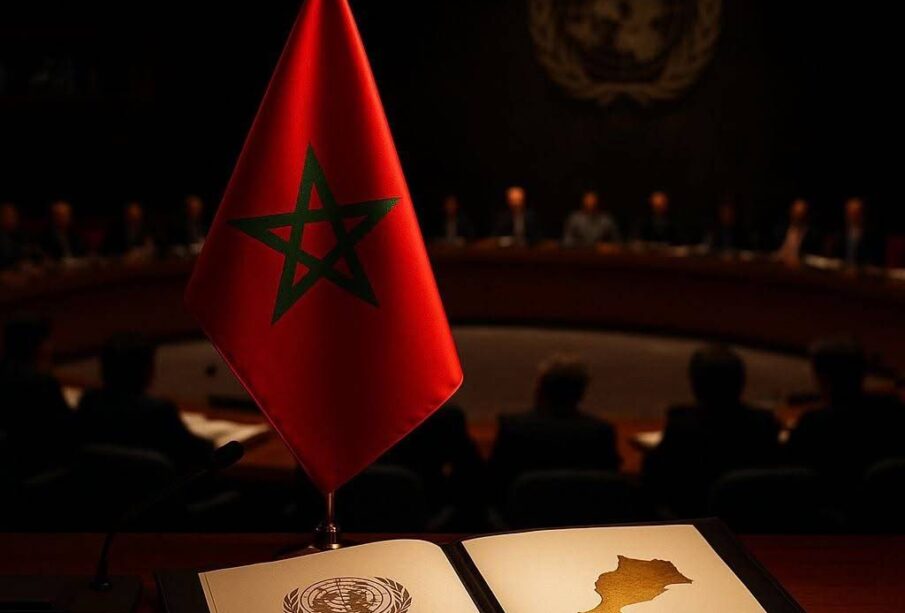
Relations with the United States add another dimension. Trade agreements, defence cooperation and diplomatic engagement provide Morocco with access to American markets and strategic partnerships. Western Saharan diplomacy has also influenced Morocco’s relationships with key Western governments, particularly France.
In July 2026, French Prime Minister Sébastien Lecornu visited Morocco as the two countries worked to deepen cooperation in security, defence and investment. The visit followed France’s recognition of Moroccan sovereignty over Western Sahara, a disputed territory whose political status remains unresolved internationally.
Nevertheless, maintaining close Western ties requires careful diplomacy. European regulations, changing trade policies and political disagreements can affect Moroccan exports and investment. Morocco must also navigate international differences over Western Sahara without allowing disputes to undermine every aspect of its external relationships.
The Gulf: Capital for Development and Diversification
Morocco’s relationships with Gulf countries, including the United Arab Emirates, Saudi Arabia and Qatar, provide another source of investment and economic cooperation.
Gulf investors have shown interest in sectors such as tourism, property development, infrastructure and energy. Their financial resources can support projects that require substantial upfront investment, while Morocco offers access to African markets and a location close to Europe.
Renewable energy is an important area of potential cooperation. Morocco has invested in solar and wind power as it seeks to diversify its energy supply and reduce exposure to imported fossil fuels. Partnerships with Gulf investors could help finance additional projects, although the outcomes depend on project design, funding conditions and long-term commercial viability.
Tourism and infrastructure also offer opportunities. Investments in hotels, transport links and urban development could support Morocco’s preparations for the 2030 World Cup while creating employment and attracting visitors.
However, attracting capital does not automatically guarantee broad economic benefits. Morocco must consider how projects affect public finances, local businesses, employment and access to essential services. Transparent agreements and effective oversight will be important in ensuring that investment supports wider development goals.
Can Morocco Balance All Three Relationships?
Morocco’s strategy depends on recognising that its international partners have different interests. China may prioritise industrial investment and trade, Western governments may focus on market access and security, while Gulf investors may seek commercial returns and long-term development opportunities.
These interests can complement one another. Chinese companies can help develop manufacturing capacity, European markets can provide export destinations, and Gulf capital can support infrastructure and energy projects.
For example, a battery manufacturing facility financed partly through international partnerships could create jobs in Morocco, purchase components from local suppliers and export products to European customers. Such an arrangement could generate benefits across several relationships without requiring Morocco to choose one partner over another.
Yet the strategy carries risks. Competition between major powers may create pressure over technology, trade rules and security cooperation. Morocco also needs to prevent excessive dependence on foreign capital or imported industrial inputs.
To strengthen its position, the country must invest in skills, research, local suppliers and competitive domestic businesses. Diversifying partnerships is most effective when it increases Morocco’s ability to make independent economic decisions.
Conclusion
Morocco’s engagement with China, Western powers and Gulf states reflects an effort to widen its economic opportunities while preserving diplomatic flexibility. Each relationship offers different resources, from manufacturing and technology to export markets, security cooperation and investment capital.
The central challenge is converting these relationships into measurable improvements in productivity, employment and living standards. Large investments and diplomatic agreements can strengthen Morocco’s international position, but their long-term value depends on implementation and benefits for local communities.
As global competition evolves, Morocco’s ability to balance its partnerships will depend on practical economic priorities rather than diplomatic symbolism alone. By strengthening domestic industries, developing its workforce and maintaining diverse international relationships, the country can pursue growth while retaining room to manoeuvre in an increasingly competitive world.



Leave a reply




Africa’s Source for Breaking News | Entertainments | Health | Finance | Sports | Lifestyle and Business News.


