
Parenting in Africa’s Expanding Cities
Parenting in Africa's Expanding Cities
Africa is experiencing one of the fastest rates of urbanization in the world.
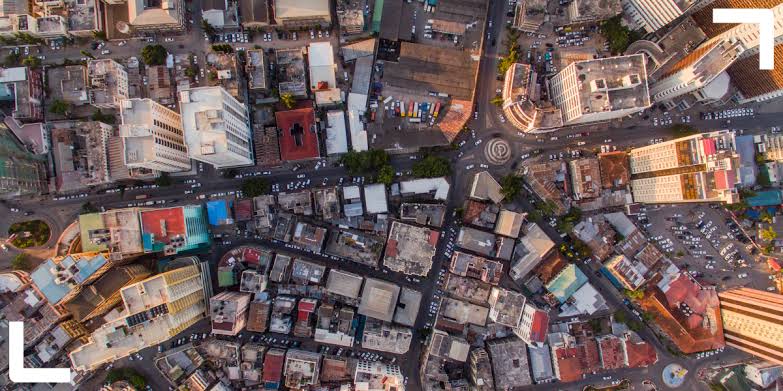
Millions of people are moving from rural areas to cities in search of better employment opportunities, education, healthcare, and improved living standards. Cities such as Lagos, Nairobi, Accra, Johannesburg, Kigali, and Cairo continue to grow rapidly, creating both opportunities and challenges for families. For parents, raising children in these expanding urban environments requires adaptability, resilience, and a thoughtful approach to modern family life.
The Changing Face of African Family Life
Traditionally, African families often relied on extended family networks for childcare and support. Grandparents, aunts, uncles, and neighbors played active roles in raising children. However, urbanization has transformed this dynamic. Many families now live in smaller households, often far from their extended relatives.
This shift means that parents carry greater responsibility for childcare, education, emotional support, and household management. While urban living offers access to more resources, it also places additional pressure on parents who must balance work demands with family responsibilities.
Opportunities for Children in Urban Areas
Expanding cities provide numerous advantages for families and children.
Better Educational Access
Urban centers often offer a wider variety of educational opportunities, including public schools, private institutions, vocational training centers, and extracurricular programs. Parents can choose educational paths that align with their children’s talents and interests.
Improved Healthcare Services
Cities generally provide better access to hospitals, clinics, pediatric care, and specialized medical services. Routine vaccinations, health screenings, and emergency care are often more readily available than in many rural areas.
Exposure to Technology
Urban children are increasingly exposed to digital tools, internet resources, and technological innovations. These resources can support learning, creativity, and skill development when used responsibly.
Cultural Diversity
African cities bring together people from different ethnic, cultural, and religious backgrounds. Children growing up in such environments often develop broader perspectives and stronger social skills through exposure to diverse communities.
Challenges Facing Urban Parents
Despite the opportunities, city life presents several obstacles for parents.
Rising Cost of Living
Housing, transportation, education, healthcare, and food expenses continue to increase in many African cities. Parents often work longer hours to meet financial obligations, reducing the time available for family interactions.
Limited Living Space
Rapid urban growth has led to crowded neighborhoods and smaller housing units. Families living in apartments or densely populated areas may struggle to provide children with safe play spaces and privacy.
Traffic and Long Commutes
Congestion in major cities can consume hours each day. Parents may spend significant time commuting to work, limiting opportunities to engage with their children and participate in school activities.
Safety Concerns
Urban environments may expose children to risks such as traffic accidents, crime, drug abuse, and unsafe public spaces. Parents must remain vigilant and educate children about personal safety.
Digital Challenges
The widespread use of smartphones and internet-connected devices introduces concerns about excessive screen time, cyberbullying, online scams, and exposure to inappropriate content.
Balancing Work and Family
Many urban parents face demanding work schedules. Achieving a healthy work-life balance is essential for children’s emotional well-being.
Parents can strengthen family bonds by:
- Establishing regular family meals.
- Scheduling dedicated family time each week.
- Attending school events whenever possible.
- Creating daily routines that encourage communication.
- Setting aside time to discuss children’s experiences and concerns.
Even short but meaningful interactions can help children feel supported and valued.
The Importance of Community Support
Although traditional village support systems may be less accessible in cities, urban families can build new support networks.
Parents often benefit from:
- School parent associations.
- Religious organizations.
- Community groups.
- Neighborhood associations.
- Parenting support groups.
These networks provide practical assistance, emotional support, and opportunities for children to develop social connections.
Raising Responsible Digital Citizens
Technology is becoming a central part of modern childhood. Parents must guide children in using digital tools safely and productively.
Effective strategies include:
- Setting clear screen-time limits.
- Monitoring online activities.
- Encouraging educational content.
- Teaching digital etiquette and privacy awareness.
- Promoting offline hobbies such as sports, reading, and creative arts.
Developing healthy digital habits early can help children navigate the online world responsibly.
Preserving Cultural Values
One concern among many urban parents is maintaining cultural identity in rapidly modernizing environments. Children may become disconnected from traditional languages, customs, and family practices.
Parents can preserve cultural heritage by:
- Speaking local languages at home.
- Sharing traditional stories and folklore.
- Celebrating cultural festivals.
- Teaching family history.
- Encouraging respect for elders and community values.
Combining cultural traditions with modern opportunities allows children to develop a strong sense of identity.
Supporting Children’s Mental Health
Urban life can be stressful for both parents and children. Academic pressure, social competition, and fast-paced lifestyles may affect emotional well-being.
Parents should pay attention to signs of stress, anxiety, or behavioral changes. Open communication, emotional support, and access to counseling services when necessary can help children manage challenges effectively.
The Future of Parenting in African Cities
As Africa’s cities continue to expand, parenting will evolve alongside changing economic, social, and technological realities. Successful urban parenting requires flexibility, lifelong learning, and a commitment to nurturing children’s development in a complex environment.
By embracing educational opportunities, maintaining strong family relationships, preserving cultural values, and building supportive communities, parents can help their children thrive in Africa’s rapidly growing cities.
Conclusion
Parenting in Africa’s expanding cities presents both exciting opportunities and significant challenges. Urban environments offer access to education, healthcare, technology, and diverse experiences, while also introducing pressures related to cost of living, safety, and work-life balance. Parents who adapt to these changes while maintaining strong family connections and cultural values can create a supportive foundation for the next generation. As African cities continue to grow, thoughtful and engaged parenting will play a vital role in shaping resilient, responsible, and successful future citizens.




Leave a reply




Africa’s Source for Breaking News | Entertainments | Health | Finance | Sports | Lifestyle and Business News.


