Parenting Lessons From African Communities

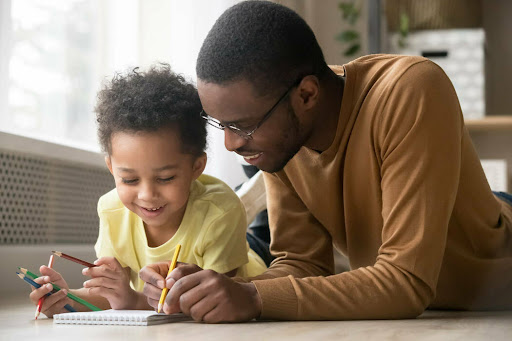
African dad and little creative toddler kid son draw with colored pencils lying on warm floor together, black father baby sitter teaching help child boy learning playing at home, babysitting concept
Parenting Lessons From African Communities: Timeless Wisdom for Raising Strong, Compassionate Children
Across Africa’s diverse cultures, parenting has long been viewed as a shared responsibility rather than the sole duty of biological parents. From bustling cities to remote villages, generations have passed down values that shape children into responsible, respectful, and resilient adults. While modernization has transformed family structures and lifestyles, many traditional African parenting principles remain remarkably relevant.
In an era where parents face increasing challenges, from digital distractions to busy work schedules, these time-tested lessons offer practical guidance for nurturing emotionally healthy and socially responsible children.
The African Philosophy: “It Takes a Village”
One of the most recognized African parenting philosophies is the idea that raising a child is a community effort. The popular proverb, “It takes a village to raise a child,” reflects the belief that grandparents, neighbors, relatives, teachers, and community elders all contribute to a child’s development.
Children grow up knowing they belong to something larger than themselves. They receive guidance from multiple trusted adults, exposing them to different life experiences and perspectives.
Why It Matters Today
Modern parents often carry the entire burden of childcare alone. Building a reliable support network, whether through family, friends, schools, or faith communities, can reduce stress while giving children additional positive role models.
Respect Is Taught Early
Many African communities place strong emphasis on respect for elders, authority, and fellow community members.
Children learn simple but meaningful habits such as:
- Greeting adults politely
- Listening before speaking
- Showing kindness to younger children
- Respecting family traditions
- Valuing wisdom from older generations
Respect isn’t merely about obedience, it teaches empathy, humility, and healthy social interactions.
Family Comes Before Individual Success
African parenting often emphasizes collective well-being over personal achievement.
Children are encouraged to think about questions like:
- How do my actions affect my family?
- How can I contribute to my household?
- What responsibilities do I have toward others?
This perspective helps develop cooperation instead of excessive competition. In adulthood, these values often translate into stronger family bonds and greater willingness to support relatives during difficult times.
Responsibility Begins at Home
Rather than shielding children from household duties, many African families assign age-appropriate responsibilities early.
Young children may:
- Fetch water
- Help prepare meals
- Clean shared spaces
- Care for younger siblings
- Assist with farming or family businesses
These responsibilities teach that every family member has an important role.
Life Skills Beyond Chores
Completing daily tasks helps children develop:
- Discipline
- Accountability
- Time management
- Problem-solving abilities
- Independence
These practical skills often become valuable throughout adulthood.
Storytelling Builds Character
Before televisions and smartphones became common, storytelling served as one of Africa’s greatest educational tools. Evening gatherings featured folktales filled with clever animals, wise elders, courageous heroes, and moral lessons.
Stories taught values such as:
- Honesty
- Courage
- Patience
- Wisdom
- Forgiveness
- Hard work
Children remembered these lessons because they were woven into engaging narratives rather than delivered as lectures.
Elders Are Living Libraries
In many African societies, grandparents occupy a central role in child development.
They pass down:
- Cultural traditions
- Family history
- Indigenous knowledge
- Spiritual values
- Conflict-resolution skills
This intergenerational relationship gives children a stronger sense of identity and belonging.
Emotional Resilience Is Encouraged
Life across many parts of Africa has often required communities to overcome challenges such as droughts, economic hardship, migration, and conflict.
Children frequently learn resilience by observing adults who:
- Adapt to changing circumstances
- Solve problems creatively
- Support one another during hardships
- Celebrate small victories
Rather than viewing setbacks as permanent failures, many communities encourage perseverance and hope.
Sharing Is a Way of Life
Generosity is deeply woven into many African cultures.
Children often learn to:
- Share food
- Welcome visitors warmly
- Help neighbors
- Care for vulnerable people
- Give without expecting immediate rewards
These habits foster empathy and strengthen community relationships.
Education Happens Everywhere
Traditional African parenting recognizes that learning extends beyond classrooms.
Children gain knowledge through:
- Farming
- Trading
- Cooking
- Religious gatherings
- Community ceremonies
- Daily conversations
- Cultural festivals
Everyday experiences become opportunities to teach practical skills and life lessons.
Discipline Focuses on Accountability
While disciplinary methods differ widely across African cultures and have evolved over time, many communities emphasize accountability and understanding the consequences of one’s actions.
Effective discipline often includes:
- Explaining why behavior was wrong
- Encouraging apologies where appropriate
- Making amends for mistakes
- Restoring trust through responsible actions
Today, many families combine these traditional values with positive, non-violent parenting approaches that promote respect while protecting children’s emotional and physical well-being.
Cultural Identity Strengthens Confidence
Children who understand their heritage often develop stronger self-esteem.
Parents teach identity through:
- Native languages
- Traditional music
- Cultural clothing
- Festivals
- Local history
- Family customs
- Traditional foods
Knowing where they come from helps children navigate an increasingly globalized world without losing their roots.
Balancing Tradition With Modern Parenting
Modern African families are blending traditional wisdom with contemporary parenting techniques.
Many parents now combine:
- Open communication
- Emotional support
- Positive discipline
- Digital literacy
- Mental health awareness
- Cultural traditions
This balanced approach prepares children for modern life while preserving valuable cultural values.
Lessons Every Parent Can Apply
Whether you live in Lagos, Nairobi, Accra, Johannesburg, Cairo, or anywhere else in the world, African parenting traditions offer universal principles:
- Build a strong support system around your children.
- Teach responsibility through meaningful household tasks.
- Encourage respect without fear.
- Share family stories and cultural traditions.
- Help children develop resilience through challenges.
- Foster generosity and compassion.
- Value relationships over material success.
- Celebrate your family’s unique heritage.
- Create opportunities for learning beyond school.
- Model the character traits you hope to see in your children.
The Future of Parenting in Africa
As African societies continue to urbanize and embrace new technologies, parenting practices will naturally evolve. However, the enduring values of community, responsibility, resilience, and respect remain powerful foundations for raising confident, compassionate, and capable young people.
Parents do not need to choose between tradition and modernity. By thoughtfully combining the wisdom of African communities with evidence-based parenting practices, families can create nurturing environments where children thrive academically, emotionally, socially, and culturally.
Conclusion
Parenting is one of life’s greatest responsibilities, and no single approach fits every family. Yet the enduring lessons from African communities remind us that children flourish when they are surrounded by caring adults, trusted with meaningful responsibilities, connected to their cultural roots, and taught the importance of kindness, respect, and resilience.
In a rapidly changing world, these timeless values continue to offer practical guidance for raising not only successful individuals but also compassionate citizens who strengthen their families and communities for generations to come.
Building a Successful Personal Brand Online
July 20, 2026Traditional African Soups and Their Origins
July 20, 2026Forgotten Battles That Shaped African History
July 20, 2026
Leave a reply Cancel reply
More News
-
Google founders earn $42 billion in 100 days
November 23, 2021 -
Ocean Ecosystems Explained
March 13, 2026 -
Abba Kyari Associate Denied Bail by Nigerian Court
March 17, 2023
Latest Posts
-
Parenting Lessons From African Communities
July 20, 2026 -
Building a Successful Personal Brand Online
July 20, 2026 -
Traditional African Soups and Their Origins
July 20, 2026 -
Forgotten Battles That Shaped African History
July 20, 2026 -
The Future of Smart Agriculture
July 19, 2026
Weekly Podcast
Travel News
-
Culinary Tourism Across the Continent
July 16, 2026 -
Travel Safety Tips for African Adventures
July 11, 2026 -
How Local Communities Protect Wildlife
July 8, 2026
Personal Development
-
Parenting Lessons From African Communities
July 20, 2026 -
Building a Successful Personal Brand Online
July 20, 2026 -
How Families Can Build Financial Security
July 18, 2026