
Parenting Tips for Raising Independent Kids
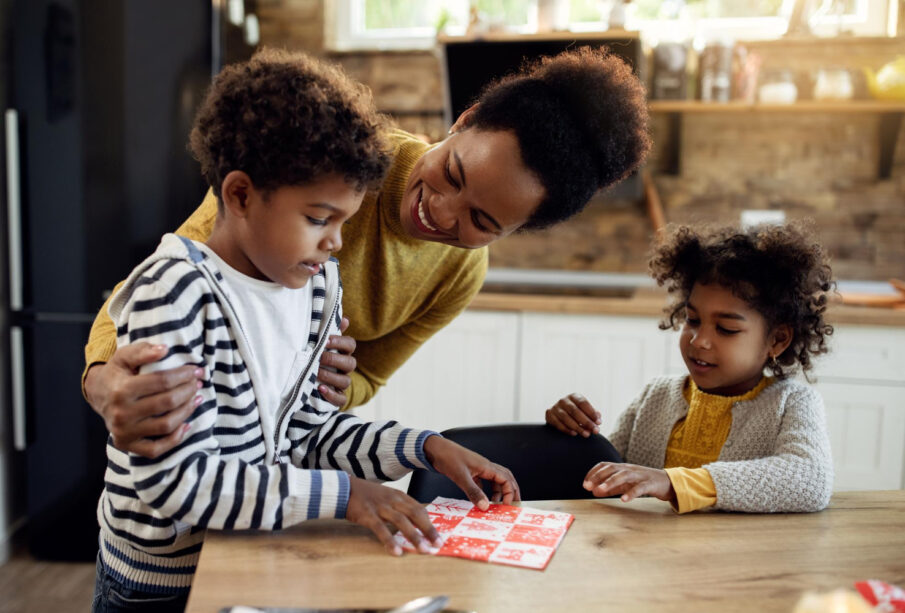
Raising independent children is one of the most valuable gifts a parent can offer.
Independence equips kids with confidence, resilience, and decision-making skills that will serve them throughout life. However, fostering independence doesn’t mean stepping back completely, it means guiding children in ways that empower them to grow.
This article explores practical parenting tips to help you raise capable, self-reliant kids.
Why Independence Matters
Independent children tend to develop stronger problem-solving abilities and a healthy sense of self-worth. They are more likely to take initiative, adapt to challenges, and build meaningful relationships. In contrast, overly dependent children may struggle with confidence and decision-making later in life.
When you encourage independence early, you prepare your child to thrive in school, relationships, and eventually, adulthood.
Start with Age-Appropriate Responsibilities
Children learn independence by doing things for themselves. Start small and build gradually:
- Toddlers can put away toys
- Preschoolers can dress themselves
- School-age kids can pack their school bags
- Teenagers can manage schedules and chores
Giving responsibilities teaches accountability and builds a sense of achievement. Even if they don’t do it perfectly, the experience matters more than the outcome.
Allow Them to Make Choices
Decision-making is a key part of independence. Offer your child simple choices early on:
- “Do you want to wear the blue shirt or the red one?”
- “Would you like rice or pasta for dinner?”
As they grow older, allow them to make bigger decisions, such as managing their time or choosing extracurricular activities. This helps them understand consequences and develop critical thinking skills.
Teach Problem-Solving Skills
Instead of immediately solving your child’s problems, guide them to find solutions. Ask questions like:
- “What do you think you should do?”
- “What are your options?”
This approach encourages children to think independently and builds confidence in their ability to handle challenges.
Encourage Safe Risk-Taking
Children need opportunities to try new things, even if they might fail. Whether it’s climbing a playground structure, trying a new hobby, or speaking in front of a group, these experiences build courage.
Resist the urge to overprotect. While safety is important, too much control can limit growth. Let them explore within safe boundaries.
Avoid Over-Helping
It’s natural to want to help your child, but doing too much can hinder independence. If you constantly step in, your child may begin to rely on you for everything.
Instead:
- Give them time to figure things out
- Offer guidance only when necessary
- Praise effort rather than perfection
This balance helps children build confidence in their own abilities.
Establish Routines
Routines provide structure while allowing children to take ownership of tasks. A consistent schedule for homework, chores, and bedtime helps kids know what is expected of them.
Over time, they begin to manage these tasks independently without constant reminders.
Encourage Responsibility for Mistakes
Mistakes are powerful learning opportunities. Instead of shielding your child from consequences, help them understand what went wrong and how to improve.
For example, if they forget their homework, allow them to face the school consequences while discussing how to avoid it next time. This builds accountability and resilience.
Build Confidence Through Encouragement
Confidence fuels independence. Celebrate your child’s efforts and progress, no matter how small.
Use phrases like:
- “You worked really hard on that”
- “I’m proud of how you handled that situation”
Avoid excessive criticism, as it can discourage initiative and create fear of failure.
Be a Role Model
Children learn by watching their parents. Demonstrate independence in your own life, manage responsibilities, solve problems calmly, and make thoughtful decisions.
When children see independence in action, they are more likely to adopt similar behaviors.
Give Them Space to Grow
As children get older, they need more freedom to explore their identity. Respect their opinions, allow privacy, and trust them with responsibilities.
Gradually reducing control shows that you believe in their ability to handle life on their own.
Conclusion
Raising independent kids is a gradual process that requires patience, trust, and consistency. By giving children responsibilities, encouraging decision-making, and allowing them to learn from experience, you help them grow into confident and capable individuals.
Independence doesn’t happen overnight, but with the right guidance, your child will develop the skills they need to succeed in the world.




Leave a reply







Africa’s Source for Breaking News | Entertainments | Health | Finance | Sports | Lifestyle and Business News.


