
Parenting Techniques for Raising Independent Children
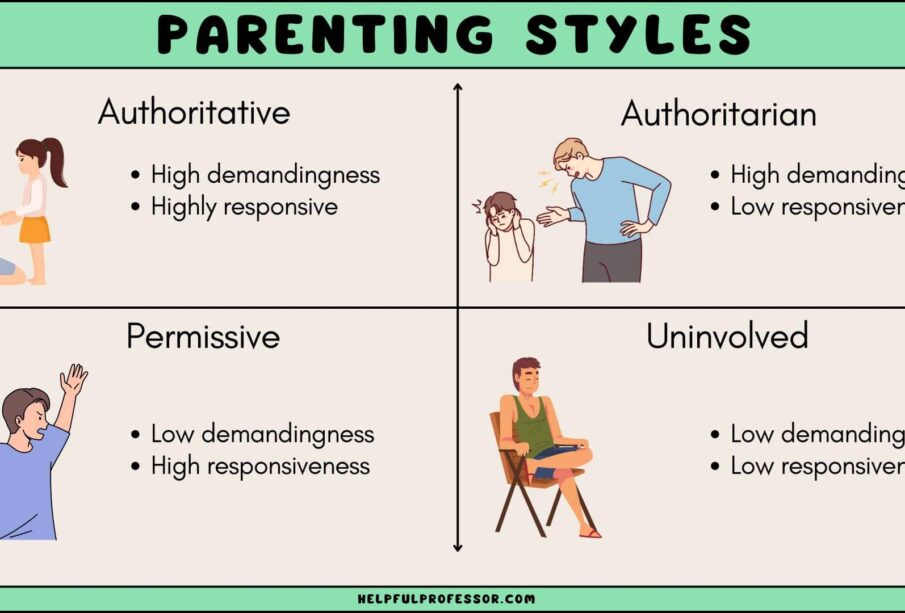
Raising independent children is one of the most valuable gifts a parent can offer.
Independence equips children with confidence, decision-making skills, and resilience, qualities that serve them throughout life. However, fostering independence doesn’t mean withdrawing support. Instead, it involves guiding children in a way that gradually prepares them to stand on their own.
Start with Age-Appropriate Responsibilities
Independence begins with small, manageable tasks. Young children can tidy up their toys, while older ones can handle chores like washing dishes or organizing their schoolwork. As a result, they begin to understand responsibility and accountability. Over time, these simple actions build a sense of competence and self-reliance.
Encourage Decision-Making
Children learn independence by making choices. Rather than deciding everything for them, offer options. For example, let them choose their clothes or select between healthy meal options. Although mistakes may happen, these moments become learning opportunities. Consequently, children develop critical thinking skills and confidence in their judgment.
Allow Natural Consequences
While it’s tempting to protect children from every mistake, doing so can limit their growth. Instead, allow them to experience natural consequences in safe situations. If they forget their homework, they may face a lower grade. This teaches responsibility more effectively than constant reminders. However, guidance should still be present to help them reflect and improve.
Foster Problem-Solving Skills
When children face challenges, resist the urge to immediately step in. Ask guiding questions like, “What do you think you can do?” or “Have you tried another way?” This approach encourages them to think independently. Moreover, it builds resilience and creativity, helping them handle future obstacles with confidence.
Promote Self-Confidence
Positive reinforcement plays a key role in raising independent children. Acknowledge their efforts rather than just outcomes. For instance, praising persistence or creativity encourages them to keep trying. As a result, they develop a growth mindset and are less afraid of failure.
Set Clear Boundaries
Independence thrives within structure. Clear rules and expectations help children understand limits while giving them freedom within those boundaries. For example, allowing them to manage their time within a set bedtime creates balance. Therefore, they learn discipline alongside independence.
Teach Life Skills Early
Practical life skills are essential for independence. Teach children how to cook simple meals, manage money, and handle basic tasks. Gradually increasing complexity ensures they are prepared for real-world responsibilities. In addition, these skills boost confidence and reduce dependence on others.
Encourage Emotional Independence
Emotional strength is just as important as practical skills. Help children identify and express their feelings. Teach them coping strategies such as deep breathing or journaling. Consequently, they become more self-aware and capable of managing emotions without constant reassurance.
Be a Supportive Guide, Not a Controller
Parents play a crucial role as mentors rather than directors. Offer guidance, but allow children the space to grow. This balance ensures they feel supported without becoming overly dependent. Over time, they learn to trust their abilities while knowing they can seek help when needed.
Lead by Example
Children often mirror what they see. Demonstrating independence in your own actions, such as problem-solving calmly or managing responsibilities effectively, sets a powerful example. Therefore, modeling behavior becomes a silent yet impactful teaching method.
Conclusion
Raising independent children requires patience, consistency, and trust. By gradually giving them responsibility, encouraging decision-making, and supporting their growth, parents can nurture confident and capable individuals. Ultimately, independence is not about doing everything alone; it is about having the skills and confidence to navigate life successfully.




Leave a reply






Africa’s Source for Breaking News | Entertainments | Health | Finance | Sports | Lifestyle and Business News.


