HOME
        NEWS AFRICA
        ENTERTAINMENT
        BUSINESS NEWS
        HEALTH NEWS
        TECHNOLOGY
        RELATIONSHIP
        PERSONAL DEVELOPMENT        
           

Popular African Beverages and Their Cultural Importance

0
Popular African Beverages and Their Cultural Importance

Africa has a rich beverage culture shaped by its diverse communities, agricultural traditions, climates, and social customs.

Across the continent, drinks are more than refreshments. They often represent hospitality, celebration, spirituality, identity, and connections between generations.

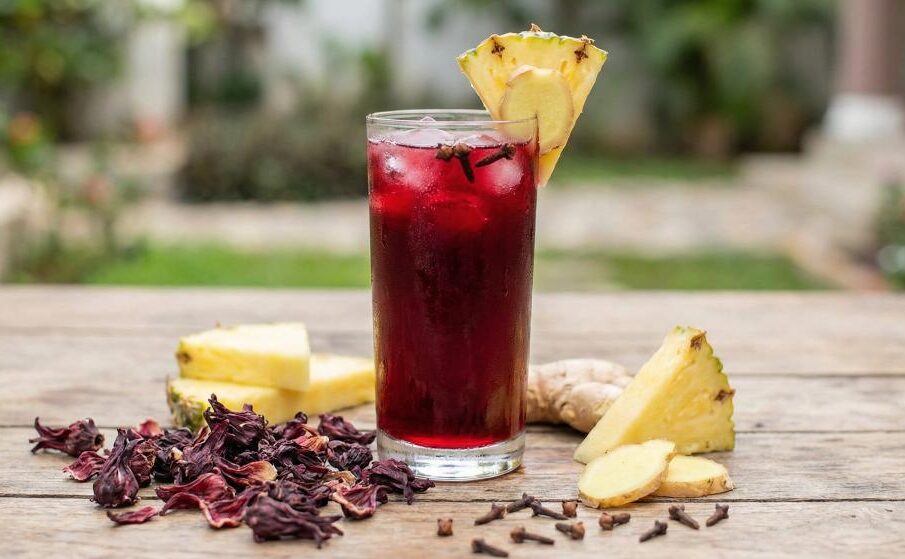
From Nigeria’s zobo and Ghana’s sobolo to Morocco’s mint tea and Ethiopia’s traditional coffee ceremony, African beverages tell stories about the people who prepare and share them. Many use locally grown ingredients, including hibiscus, ginger, millet, sorghum, coffee beans, cocoa, and tropical fruits.

As African food culture gains international attention, traditional beverages also present opportunities for tourism, entrepreneurship, and local food processing.

1. Zobo – Nigeria’s Popular Hibiscus Drink

Refreshing Zobo (Hibiscus Drink) - African, 40 min | The Cookbook

Zobo is a widely enjoyed Nigerian beverage made from dried hibiscus petals, commonly known locally as zobo leaves. Depending on the recipe, people add ginger, cloves, pineapple, or other flavourings to create a refreshing red drink.

The beverage is popular at family gatherings, birthday parties, weddings, religious celebrations, and everyday meals. Street vendors and small businesses also sell it in bottles and disposable cups.

Zobo reflects Nigeria’s tradition of turning accessible local ingredients into affordable refreshments. Its preparation varies between households, allowing families and vendors to develop distinctive flavours.

Today, entrepreneurs are producing packaged zobo with improved bottling, labelling, and refrigeration. These developments create opportunities for small-scale food processors while introducing the drink to new customers.

However, producers must maintain good hygiene and appropriate storage conditions to protect product quality.

2. Sobolo – Ghana’s Refreshing Hibiscus Beverage

Adom Fresh Bakery - Ghana

Sobolo is a popular Ghanaian drink prepared primarily from hibiscus petals. Ginger, cloves, pineapple, and other spices may be added according to regional preferences and individual recipes.

Although sobolo and Nigerian zobo share similar ingredients, their preparation methods and flavour combinations can differ.

In Ghana, vendors sell sobolo at markets, roadside stalls, schools, workplaces, and social events. Families also serve it during gatherings, making it a familiar part of everyday hospitality.

Its popularity demonstrates how different African communities adapt similar agricultural ingredients to their culinary traditions.

Sobolo also provides opportunities for local entrepreneurs. Producers can experiment with different flavour combinations, improve packaging, and supply restaurants, supermarkets, and event planners.

3. Ethiopian Coffee – A Tradition of Hospitality

Ethiopia – The Cradle of Civilization | Kaufmann World Travel Factbook

Coffee holds an important place in Ethiopian culture, where traditional coffee ceremonies offer a meaningful way to welcome guests and strengthen relationships.

The ceremony often begins with the roasting of green coffee beans. The host then grinds the beans, brews the coffee in a traditional vessel called a jebena, and serves it in small cups.

The process encourages people to sit together, talk, and share time. Depending on the household and occasion, the ceremony may include several rounds of coffee.

Rather than serving only as a source of caffeine, Ethiopian coffee represents hospitality, community, and respect for guests.

The tradition also connects households with Ethiopia’s long-standing coffee-growing culture. Coffee production supports farmers, traders, roasters, exporters, and café businesses.

International interest in Ethiopian coffee has further created opportunities for specialty coffee shops and cultural tourism.

4. Moroccan Mint Tea – A Symbol of Welcome

Moroccan Mint Tea: The 'Berber Whisky' Ritual Explained | Serenity Morocco Tours

Mint tea is closely associated with hospitality in Morocco. Commonly prepared with green tea, fresh mint, and sugar, it is served in homes, cafés, shops, and during social visits.

Hosts often pour the tea from a height into small glasses, creating a light layer of foam. The preparation and serving process can form an important part of welcoming visitors.

Tea is shared during conversations, family gatherings, business meetings, and celebrations. Offering a guest tea is a familiar expression of generosity and welcome.

The drink also reflects Morocco’s connections with regional agriculture and international trade, particularly the historical movement of tea and the cultivation of mint.

For visitors, experiencing a traditional tea service offers a way to engage with Moroccan food culture beyond sightseeing.

5. Kunu – A Traditional Nigerian Grain Beverage

How To Make Hausa Kunu: The Recipe and Health Benefits

Kunu is a traditional beverage popular in northern Nigeria and other parts of the country. Depending on the variety, producers prepare it from grains such as millet, sorghum, or maize.

Recipes may include ginger, cloves, pepper, and sweeteners. Some varieties have a smooth, creamy appearance, while others have a thinner consistency.

People commonly enjoy kunu as a breakfast drink, a midday refreshment, or an accompaniment to snacks and traditional meals.

Its use of locally available grains connects the beverage to farming traditions and regional food systems. Small-scale producers can earn income by purchasing grains, preparing the drink, and selling it in neighbourhood markets.

Because traditional kunu is often prepared fresh, hygiene, clean water, and proper refrigeration are important for safe handling.

6. Palm Wine – A Beverage Rooted in Community Traditions

POYO: Different tastes for different folks | Nazareth House Apostolate

Palm wine is produced from the fermented sap of certain palm trees. It is consumed in several West and Central African countries, including Nigeria, Ghana, Cameroon, and Côte d’Ivoire.

Its taste changes as fermentation progresses. Fresh palm wine is generally sweeter, while further fermentation produces a more acidic flavour and higher alcohol content.

Palm wine has cultural significance in several communities, particularly in parts of southeastern Nigeria and southern Ghana. Depending on the community, it may feature in weddings, traditional meetings, family celebrations, and customary ceremonies.

In some Igbo communities, for example, palm wine plays a role in traditional marriage introductions and other social occasions. The specific customs vary between families and localities.

The beverage also supports livelihoods for palm wine tappers, traders, and hospitality businesses.

Because fermentation occurs naturally, alcohol content can vary considerably. Consumers and producers should handle the beverage responsibly and follow applicable food safety requirements.

7. Bissap – A Popular Hibiscus Drink in West Africa

Sénégal: pour la rupture du jeûne, le bissap est la boisson idéale | Le360 Afrique

Bissap is a hibiscus-based beverage widely enjoyed in Senegal and other parts of West Africa. It is closely related to drinks known as zobo in Nigeria and sobolo in Ghana.

The drink is usually prepared by steeping hibiscus petals in hot water and adding sugar, mint, or other flavourings. Some recipes include pineapple or orange blossom water.

In Senegal, bissap is commonly served at family gatherings, celebrations, restaurants, and informal social occasions. It is also sold commercially as a bottled beverage.

Its popularity demonstrates the cultural connections that exist across West Africa, where related ingredients produce drinks with distinct local names and recipes.

Bissap also offers business opportunities for farmers, ingredient suppliers, beverage manufacturers, and retailers.

8. Rooibos Tea – South Africa’s Indigenous Herbal Beverage

Botanical Insights • Guides, Comparisons and More
 • Douk

Rooibos is a herbal infusion made from the leaves of Aspalathus linearis, a plant native to South Africa’s Cederberg region.

Unlike traditional black tea, rooibos naturally contains no caffeine. Its flavour is often described as smooth, earthy, and slightly sweet.

The plant has a long history of local use, particularly among communities in the Western Cape. Today, rooibos is consumed throughout South Africa and exported to international markets.

People drink it at breakfast, during afternoon breaks, and in the evening. It can be served hot or cold, with milk, lemon, or other additions depending on personal preference.

Rooibos production supports agricultural workers, processors, packagers, and exporters. Its international popularity also illustrates how a locally rooted product can become an important part of a country’s food identity.

9. Ginger Drink – A Spicy Favourite Across Africa

Gnamakoudji: La Bevanda Energetica Tradizionale Africana | CiboCrudo

Ginger-based beverages are popular in many African countries. Recipes vary, but common ingredients include fresh ginger, water, lemon, pineapple, and sugar.

In Nigeria, ginger drinks are often served chilled at parties and family gatherings. Similar preparations appear in other West African countries, with different names and flavour combinations.

The drink’s strong, spicy flavour makes it popular among people seeking an alternative to conventional carbonated soft drinks.

Ginger beverages also create opportunities for small businesses. Producers can purchase fresh ginger from farmers, process it into concentrated drinks, and sell bottled products through shops, restaurants, and online platforms.

Commercial producers need to consider consistent flavour, safe processing, suitable packaging, and shelf-life testing when expanding beyond immediate local sales.

10. Millet and Sorghum Drinks in East Africa

How to Make Obushera: A Traditional Ugandan Drink

Millet and sorghum are important traditional grains across several East African communities. They are used to prepare porridges and beverages that vary by country, ethnic group, and household.

Some preparations are fermented, producing distinctive flavours and textures. Others are consumed as fresh grain-based drinks or thin porridges.

These beverages are connected to local farming practices, household food preparation, and the use of crops adapted to particular environments.

In some communities, traditional grain drinks accompany meals or appear during social gatherings. Their preparation also preserves practical knowledge about grain selection, fermentation, and food storage.

Small enterprises can build on these traditions by developing hygienically processed, packaged grain beverages for urban consumers. Such businesses may create additional demand for local millet and sorghum farmers.

The Cultural Importance of African Beverages

Traditional beverages serve several important purposes across African societies.

Hospitality and social connection

Offering a drink to visitors is a familiar expression of welcome in many African cultures. Ethiopian coffee ceremonies and Moroccan mint tea illustrate how beverage preparation can create space for conversation and relationship-building.

Celebrations and ceremonies

Certain drinks feature in weddings, festivals, family reunions, and customary events. Palm wine, for example, has ceremonial roles in some West African communities, although specific practices differ.

Cultural identity and heritage

Local ingredients, preparation methods, serving vessels, and beverage names help communities maintain connections with their history. Traditional drinks can also communicate regional identity to visitors and younger generations.

Agriculture and local livelihoods

Many African beverages depend on crops grown by local farmers. Hibiscus, ginger, grains, coffee, mint, and rooibos support supply chains that include farming, processing, packaging, transport, and retail.

Tourism and international recognition

Food and drink experiences can help tourists understand local traditions. Coffee ceremonies, traditional tea services, and visits to beverage-producing farms offer opportunities for cultural exchange and tourism-related businesses.

How African Beverage Businesses Can Preserve Tradition While Innovating

African beverage producers can preserve cultural heritage while responding to modern consumer needs.

  • Improve packaging: Safe, attractive packaging can help traditional drinks reach supermarkets, restaurants, and customers outside their communities of origin.

  • Maintain authentic recipes: Producers can document traditional preparation methods while offering clearly labelled variations.

  • Invest in food safety: Hygienic production, appropriate storage, and reliable shelf-life testing help protect consumers.

  • Support local farmers: Buying ingredients from local agricultural communities strengthens supply chains and creates income opportunities.

  • Promote cultural stories: Packaging, websites, and marketing campaigns can explain the history and cultural significance of a beverage without making unsupported claims.

  • Explore new markets: Producers can test demand among hotels, cafĂ©s, diaspora communities, and international food retailers.

Innovation should respect the communities that developed these beverages. Where traditional knowledge or cultural practices form the basis of a commercial product, businesses should engage with the relevant communities and recognise their contributions.

Conclusion

Popular African beverages offer a window into the continent’s diverse cultures, agricultural resources, and social traditions. From zobo and sobolo to Ethiopian coffee, Moroccan mint tea, palm wine, bissap, and South African rooibos, each drink carries its own story.

These beverages bring people together, preserve culinary knowledge, and support livelihoods across farming, food processing, hospitality, and trade.

As interest in African cuisine grows, traditional drinks have opportunities to reach new markets without losing the cultural identities that make them distinctive. By combining responsible innovation with respect for local traditions, African beverage businesses can preserve heritage while creating economic opportunities for future generations.

Leave a reply