
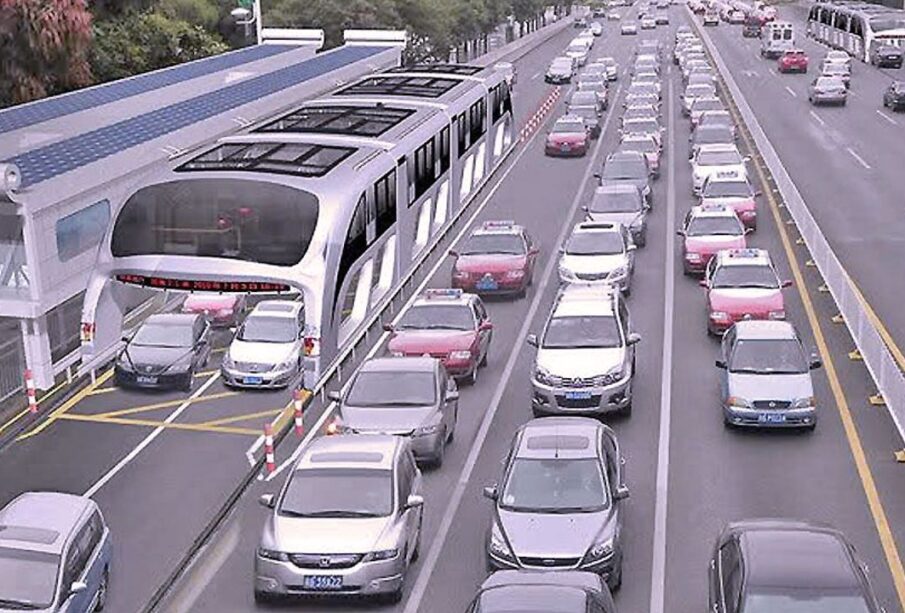
The Future of Smart Transportation Across Africa
Transportation plays a crucial role in Africa’s economic growth, urban development, and regional trade.
Every day, millions of people travel to work, transport goods to markets, attend school, and access essential services. However, traffic congestion, inadequate public transport, poor road conditions, and rising transportation costs continue to affect mobility across many African cities.
As urban populations grow, traditional transportation systems face increasing pressure. Consequently, governments, technology companies, transport operators, and entrepreneurs are exploring smart transportation solutions that can make travel safer, faster, more affordable, and environmentally sustainable.
Smart transportation uses digital technology, data, automation, and modern infrastructure to improve how people and goods move. From mobile ticketing and real-time traffic monitoring to electric buses and intelligent logistics systems, these innovations could reshape transportation across the continent.
Understanding the future of smart transportation in Africa requires examining the technologies driving this transformation, the opportunities they create, and the challenges that must be addressed.
1. Understanding Smart Transportation
Smart transportation refers to the use of technology and data to improve the movement of people and goods. It connects transportation infrastructure, vehicles, passengers, and service providers through digital systems.
Unlike conventional transportation models, smart systems can use real-time information to respond to changing travel conditions. For example, traffic monitoring systems can identify congested roads, while navigation applications can recommend alternative routes.
Smart transportation covers several areas, including:
- Intelligent traffic management: Digital systems monitor traffic flow and help coordinate road signals.
- Smart public transport: Digital platforms provide schedules, route information, and electronic ticketing.
- Mobility applications: Passengers use mobile apps to plan journeys, book rides, and compare transportation options.
- Electric mobility: Electric cars, buses, motorcycles, and three-wheelers offer alternatives to petrol and diesel vehicles.
- Smart logistics: Businesses use tracking systems and route-planning tools to manage deliveries.
- Transport data analytics: Operators analyse travel patterns to improve services and allocate resources.
These technologies can work together to create transportation networks that respond more effectively to the needs of growing African cities.
2. The Growth of Smart Mobility in African Cities
African cities are expanding, increasing demand for reliable transportation. Lagos, Nairobi, Accra, Cairo, Kigali, and Johannesburg face different mobility challenges, but each provides opportunities for technology-driven improvements.
In Lagos, heavy traffic creates demand for better journey planning, more reliable public transport, and improved coordination between road and water transport. Digital navigation tools already help commuters identify alternative routes, although they cannot eliminate congestion on their own.
Nairobi has a growing technology and mobility sector, with digital platforms connecting passengers, drivers, and delivery operators. Such services illustrate how mobile technology can improve access to transportation.
Kigali has also pursued transport modernisation through public transport improvements and urban planning initiatives. Meanwhile, cities such as Cairo and Johannesburg have extensive public transport networks that can benefit from better digital integration and passenger information.
However, smart transportation will not look the same everywhere. Cities with established rail systems may prioritise network integration, while others may focus on safer bus services, improved roads, or better management of informal transport.
The most useful solutions will depend on each city’s infrastructure, population density, income levels, and travel patterns.
3. Artificial Intelligence and Intelligent Traffic Management
Artificial intelligence (AI) could play an important role in managing traffic across Africa.
In many large cities, congestion develops because of high vehicle numbers, road bottlenecks, inconsistent traffic enforcement, accidents, and limited transport alternatives. AI-powered systems can analyse traffic data to help authorities understand these patterns.
For example, cameras, road sensors, and anonymised navigation data can help identify areas where traffic slows down regularly. Traffic signals could then adjust their timing according to vehicle volumes rather than following fixed schedules alone.
Predictive analytics can also help transport authorities anticipate congestion during major events, rush hours, or periods of road construction.
For African cities, these systems could improve emergency response times, reduce unnecessary idling, and support more efficient road use.
Nevertheless, AI requires reliable data, suitable infrastructure, technical expertise, and effective oversight. Authorities must also protect personal information and ensure that automated systems do not unfairly disadvantage particular communities.
Technology should complement better road planning and public transport investment rather than serve as a substitute for them.
4. Electric Vehicles and Sustainable Mobility
Electric mobility is another important part of Africa’s transportation future.
Electric vehicles produce no exhaust emissions while driving, although their overall environmental impact depends on electricity generation, battery production, and vehicle manufacturing. Their adoption could help reduce roadside air pollution, especially in densely populated urban areas.
Electric motorcycles and three-wheelers are particularly relevant to African cities because they support passenger transport, commercial deliveries, and informal businesses.
In countries such as Kenya, Rwanda, Nigeria, and Uganda, businesses have explored electric two-wheelers, battery-swapping services, and electric public transport solutions.
Battery swapping can be useful for commercial riders who cannot afford to keep a vehicle off the road for several hours while it charges. Instead, they exchange a depleted battery for a charged one at a suitable station.
Electric buses could also help public transport operators manage fuel costs and reduce local emissions over time.
However, adoption faces several barriers. These include the upfront cost of vehicles, limited charging infrastructure, electricity reliability, battery financing, and access to maintenance services.
Governments and private investors can support the transition through appropriate regulations, charging networks, local technical training, and financing arrangements suited to transport workers and small businesses.
5. Digital Payments and Smart Public Transportation
Paying for public transportation can be difficult when passengers must carry exact cash, wait for change, or purchase separate tickets for different services.
Digital payment systems offer an alternative. Passengers can use contactless cards, mobile money, QR codes, or transport applications to pay fares.
In markets where mobile money is widely used, integrating digital payments into transport services could make daily journeys more convenient.
For example, a commuter might pay for a bus ride through a mobile wallet instead of carrying cash. Transport operators could also use electronic transaction records to improve accounting and monitor demand.
Integrated ticketing could eventually allow passengers to use a single payment method across participating buses, trains, and ferries.
However, transport providers must consider people without smartphones, bank accounts, reliable internet access, or sufficient digital literacy. Cash and accessible alternatives may remain necessary.
Affordable fees, transparent pricing, secure transactions, and reliable payment systems will be essential to building public trust.
6. The Role of Mobile Applications in Everyday Travel
Mobile applications are changing how people organise their journeys.
Navigation platforms help drivers identify alternative routes, while ride-hailing applications connect passengers with drivers. Public transport applications can provide route maps, departure times, fare information, and service updates.
These tools are especially useful when travellers need to combine different forms of transportation.
Imagine a commuter travelling from a residential neighbourhood in Lagos to an office on the Island. A mobility platform could eventually combine walking directions, bus information, ferry schedules, and estimated journey times in one place.
Such integration would help passengers compare costs and make informed travel decisions.
Mobile applications can also improve accessibility by providing information about wheelchair access, safer walking routes, and transport services for people with specific mobility needs.
Still, digital services must reflect local realities. Incorrect route information, poor network coverage, unreliable arrival estimates, and limited support for local languages can reduce their usefulness.
Developers should work with transport operators and commuters to ensure that applications provide accurate, practical information.
7. Smart Transportation and Africa’s Informal Transport Sector
Informal transportation is an important part of everyday mobility in many African cities.
Minibuses, shared taxis, motorcycle taxis, and three-wheelers connect neighbourhoods that larger public transport systems may not serve adequately.
In Nigeria, for example, danfo buses and keke tricycles support daily movement across many urban communities. Similar services operate in different forms across other African countries.
Although informal operators sometimes face challenges involving safety, regulation, and inconsistent service quality, they provide livelihoods and meet important transportation needs.
Smart transportation initiatives should therefore consider how existing operators can participate in modern mobility systems.
Digital tools could help drivers identify passenger demand, manage bookings, receive electronic payments, and track daily earnings. Route information and digital registration could also improve coordination between operators and transport authorities.
Transport unions and cooperatives could introduce shared booking platforms or digital dispatch systems without requiring every operator to establish an independent business.
Successful integration will depend on consultation, affordable technology, fair regulations, and practical training. Excluding informal operators could disrupt livelihoods and leave some communities with fewer transport options.
Conclusion
Smart transportation offers Africa an opportunity to address longstanding mobility challenges while supporting urban development, commerce, and regional integration.
Artificial intelligence, digital payments, electric vehicles, mobile applications, and smart logistics systems can improve how people and goods move. When combined with better infrastructure and effective planning, these technologies may reduce delays, strengthen business operations, and expand access to essential services.
However, successful implementation requires more than purchasing modern equipment. African cities must invest in reliable infrastructure, protect passenger data, develop local technical skills, and ensure that new systems serve people across different income levels.
Informal transport operators, small businesses, public authorities, technology companies, and commuters all have a role in this transition.
Ultimately, the future of smart transportation in Africa will be shaped by how effectively technology responds to local needs. The goal should not simply be to create more digital transport systems, but to build mobility networks that help people travel safely, businesses operate efficiently, and African economies grow.



Leave a reply




Africa’s Source for Breaking News | Entertainments | Health | Finance | Sports | Lifestyle and Business News.


