
Post-Conflict Recovery and Economic Development
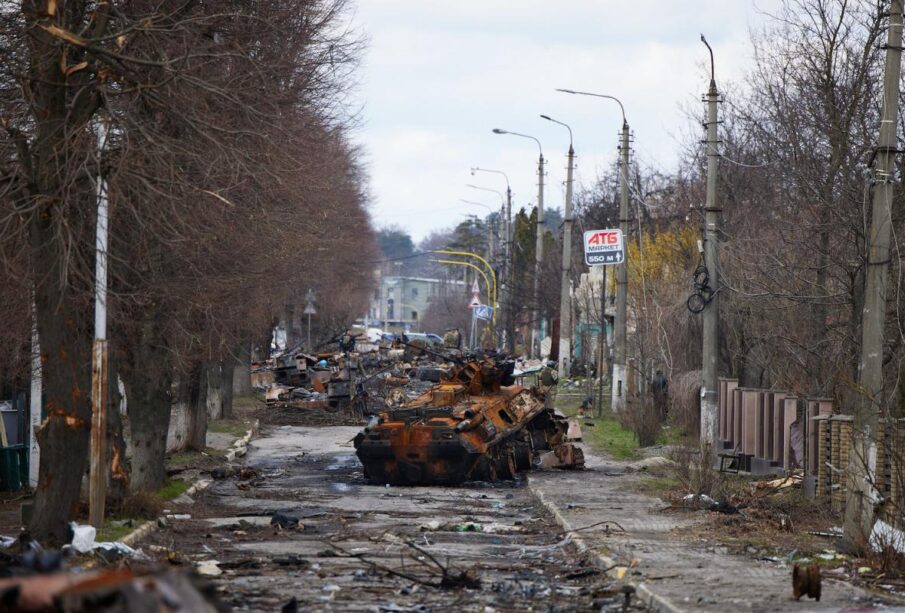
Post-Conflict Recovery and Economic Development
Conflict can leave lasting damage to communities, economies, and institutions.
Roads and schools may be destroyed, businesses may close, families may lose their sources of income, and investors may become reluctant to operate in affected areas. Even after fighting ends, rebuilding a country can take many years.
Post-conflict recovery and economic development focus on helping communities rebuild their livelihoods, restore essential services, strengthen institutions, and create conditions for sustainable economic growth.
For many African countries recovering from conflict, the process requires more than reconstructing physical infrastructure. It also involves rebuilding trust, creating employment, supporting businesses, and ensuring that communities have opportunities to participate in the recovery process.
Rebuilding Essential Infrastructure
One of the first priorities after conflict is restoring basic infrastructure. Roads, bridges, electricity networks, water systems, hospitals, schools, markets, and communication networks can all suffer damage during prolonged periods of instability. Without these facilities, businesses struggle to operate and residents may have difficulty accessing essential services.
Rebuilding infrastructure creates immediate economic activity while laying the foundation for longer-term development. Construction projects can provide jobs, improve transportation, and reconnect communities to markets.
Creating Jobs and Livelihood Opportunities
Employment is one of the most important elements of post-conflict recovery. People who have lost jobs or businesses need opportunities to earn stable incomes. Governments, development organisations, and private companies can support job creation through public works programmes, vocational training, agriculture, construction, manufacturing, and small-business development.
Supporting local businesses is particularly important because small enterprises often provide employment for large numbers of people.
Microfinance, business training, access to markets, and affordable financial services can help entrepreneurs restart or expand their operations.
Supporting Agriculture and Rural Communities
Agriculture plays a major role in many African economies and can become an important part of post-conflict recovery.
Farmers returning to their communities may need seeds, tools, livestock, financing, storage facilities, and access to markets. Rebuilding rural roads can also make it easier for farmers to transport their products to urban centres.
Agricultural recovery can improve food security while creating income for rural households.
Encouraging Private Investment
Private investment can accelerate economic recovery by providing capital, creating jobs, and introducing new products and services.
However, investors are more likely to enter post-conflict areas when they see improvements in security, governance, infrastructure, and economic stability.
Governments can encourage investment by improving business regulations, protecting property rights, reducing unnecessary administrative barriers, and creating transparent investment frameworks.
Strengthening Local Businesses
Local businesses should be at the centre of post-conflict economic development.
Large international investments can contribute significantly to reconstruction, but local entrepreneurs understand their communities and can respond to local needs.
Governments and development partners can help by providing access to financing, entrepreneurship programmes, technical training, and procurement opportunities.
A stronger local business sector can make economic recovery more inclusive and reduce dependence on external assistance.
Investing in Education and Skills
Conflict can disrupt education for years, leaving young people without the skills required to participate effectively in the economy.
Rebuilding schools and training institutions is therefore an important part of recovery. Young people can benefit from vocational programmes in areas such as construction, technology, agriculture, healthcare, manufacturing, and other growing sectors.
Education also provides communities with the human capital needed to sustain economic growth beyond the immediate recovery period.
Rebuilding Trust and Institutions
Economic development cannot thrive without functioning institutions. Post-conflict countries often need to strengthen government institutions, courts, financial systems, local authorities, and public services. Transparent institutions can improve confidence among citizens and investors.
Rebuilding trust is equally important. People need to believe that public resources will be managed fairly and that economic opportunities will not be controlled by a small group.
Inclusive governance can help reduce tensions and create a stronger foundation for long-term development.
The Importance of Peace and Economic Stability
Peace and economic development are closely connected. Businesses are unlikely to make long-term investments when they fear renewed violence. At the same time, widespread unemployment and poverty can create conditions that contribute to instability.
This makes economic opportunity an important part of sustainable peace. When people have access to jobs, education, markets, and basic services, communities can become more resilient.
Economic development should therefore be viewed as part of the broader peacebuilding process.
The Role of Technology
Technology can support post-conflict recovery in several ways. Digital payment systems can help people access financial services, while mobile platforms can connect entrepreneurs with customers and suppliers. Digital education can expand access to learning, and online government services can make public administration more accessible.
Technology can also help humanitarian organisations and governments identify community needs and coordinate assistance more effectively.
However, digital solutions must be designed around local realities, including internet access, affordability, and digital literacy.
Making Recovery Inclusive
Post-conflict recovery should benefit the entire population rather than only major cities or politically influential groups. Women, young people, displaced populations, rural communities, people with disabilities, and other vulnerable groups should have opportunities to participate in economic recovery.
Inclusive development can reduce inequality and help communities feel that they have a genuine stake in rebuilding their country.
Looking Beyond Reconstruction
Successful post-conflict recovery is not simply about returning a country to the condition it was in before conflict. It provides an opportunity to build stronger systems and create a more resilient economy. Governments can introduce better infrastructure, modernise public services, diversify economic activities, and create policies that encourage entrepreneurship and investment.
The objective should be to build an economy that is better prepared to withstand future shocks.
Conclusion
Post-conflict recovery and economic development require patience, investment, cooperation, and strong institutions. Rebuilding infrastructure is important, but sustainable recovery also depends on creating jobs, supporting businesses, strengthening education, improving agriculture, encouraging investment, and rebuilding public trust.
For African countries emerging from conflict, economic recovery can become an opportunity to create more inclusive and resilient communities. When citizens, governments, businesses, and development partners work together, reconstruction can go beyond repairing what was lost and help build a stronger economic future.


Leave a reply




Africa’s Source for Breaking News | Entertainments | Health | Finance | Sports | Lifestyle and Business News.


