
Goron Tula Fruit: Benefits, Uses and Where to Buy It in Nigeria
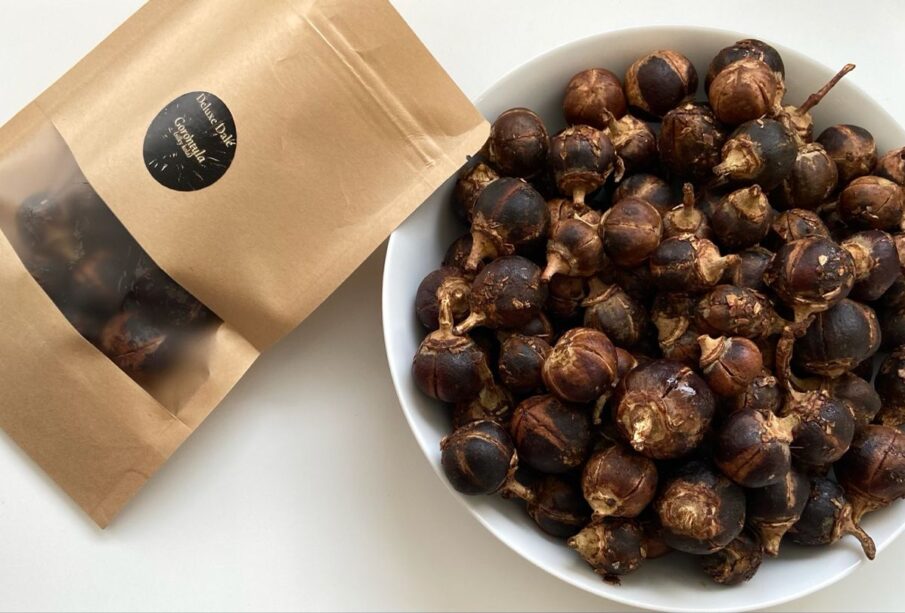
Benefits of Goron tula Fruit
Gorontula, also written as Goron Tula, is an edible fruit from the plant Azanza garckeana, traditionally associated with northern Nigeria, especially Tula in Gombe State.
People eat it as a local fruit and use it in traditional food and wellness practices. Researchers have examined its nutritional composition and plant compounds, but many health claims about it still need stronger human evidence.
KEY FACTS
- Common name: Gorontula or Goron Tula
- Scientific name: Azanza garckeana
- Origin and association: Tropical Africa; strongly associated with Tula in Gombe State, Nigeria
- How it is consumed: Commonly eaten dried or as a fruit, depending on availability and how it is sold
- What research suggests: Studies have identified nutrients and plant compounds, but this does not prove that the fruit treats diseases
- Where to look: Northern Nigerian produce sellers, specialist African-food vendors, herbal-product shops and reputable online sellers
- Important caution: Do not use it as a replacement for prescribed treatment or medical advice.
What is Gorontula fruit?
Gorontula is an indigenous African fruit with a place in local food culture and traditional practices. Its name is commonly linked to Tula, a community in Gombe State. The edible fruit has attracted interest because of its nutritional profile and reported traditional uses.
Scientific studies have examined the fruit’s carbohydrate, fibre, mineral and other components. For example, research published in the Bayero Journal of Pure and Applied Sciences analysed the fruit and reported its chemical composition, including carbohydrate and vitamin C measurements. Other studies have investigated its phytochemicals.
However, results from laboratory analyses should not be confused with proof of a medical benefit. Finding a plant compound in a sample does not establish that eating the fruit will prevent or cure a particular condition.
Potential benefits of Gorontula fruit
1. It can contribute to dietary variety
Eating a variety of fruits is one practical way to broaden the range of foods in your diet. Gorontula can offer another option for people who enjoy indigenous fruits and want to explore foods beyond the varieties commonly sold in supermarkets.
Its contribution to your diet will depend on how much you eat, how the fruit has been processed and what else you consume throughout the day. It should complement a balanced diet rather than become the sole focus of a nutrition plan.
2. It contains nutrients and plant compounds
Research on Azanza garckeana has identified components such as carbohydrates, fibre and various phytochemicals. Studies have also reported minerals and other nutrients, although exact amounts can vary with the sample, growing conditions and methods used for analysis.
These findings make the fruit interesting from a food-science perspective. Nevertheless, results from one laboratory study may not apply to every batch sold in Nigerian markets. The fruit’s nutrient content can differ according to maturity, storage, preparation and whether researchers analysed the pulp, peel, seeds or an extract.
3. It has a history of traditional use
Gorontula is associated with traditional food and herbal practices in parts of Nigeria. Some sellers and consumers promote it for specific wellness purposes, including claims relating to reproductive health.
It is important to separate cultural use from established medical evidence. Traditional use can help researchers identify questions worth studying, but it does not by itself demonstrate that a fruit treats infertility, improves sexual performance, balances hormones or manages a chronic disease.
If you are experiencing fertility difficulties, menstrual changes, sexual-health concerns or another persistent symptom, speak with a qualified healthcare professional rather than relying on the fruit alone.
4. It may support interest in indigenous food systems
There is also a wider food-culture benefit in learning about locally available fruits. Indigenous foods connect consumers with regional agriculture, local knowledge and food traditions that may otherwise receive little attention.
Demand can also create opportunities for growers, harvesters and traders. However, sustainable production and fair trading practices matter: harvesting should not damage local ecosystems, and sellers should handle, dry and store fruit hygienically.
Does Gorontula cure infertility or other illnesses?
There is not enough strong human clinical evidence to recommend Gorontula as a cure for infertility or other diseases. Research into the plant’s chemical composition and biological activity is useful, but early-stage findings do not establish that eating the fruit will produce the same effect in people.
Be cautious of online posts that promise guaranteed conception, immediate sexual benefits, permanent hormone changes or a cure for diabetes. Such claims can encourage people to delay diagnosis or treatment.
If you take regular medication, are pregnant or breastfeeding, or have a medical condition, ask a healthcare professional before using concentrated extracts or supplements made from the fruit. A product marketed as “natural” is not automatically safe for every person.
Where can you buy Gorontula fruit in Nigeria?
Availability changes by season, location and seller. If you want to buy Gorontula, consider these options:
1. Local produce markets: Ask fruit sellers or traders who specialise in dried indigenous fruits. In some locations, a seller may know the fruit by its alternative name, Goron Tula.
2. Northern Nigerian food vendors: Since the fruit is strongly associated with Gombe State and parts of northern Nigeria, vendors familiar with regional foods may be more likely to recognise it.
3. Herbal and African-food shops: Some specialist shops stock indigenous fruits alongside other traditional food products. Ask whether the product is intended for eating as food or is a concentrated preparation.
4. Online marketplaces and social-media sellers: Search for “Gorontula fruit” and “Goron Tula fruit”. Before paying, check the seller’s identity, product photographs, packaging, storage information and customer-service arrangements. Do not assume that a large number of followers proves that a seller is trustworthy.
5. Direct suppliers and growers: If you want to buy larger quantities, ask about the source, harvest condition, drying method, storage and delivery arrangements. For business purchases, request a sample before committing to a large order.
How to choose good-quality Gorontula
When comparing products, look for fruit that is appropriately dried or packaged for the product being sold, without visible mould, unusual dampness, pest damage or a suspicious odour. Packaging should be clean and, where possible, labelled with the product name, supplier details and relevant storage instructions.
Ask whether the fruit contains added ingredients or has undergone any treatment. If the seller advertises a powder, extract or capsule rather than the whole fruit, check the ingredients and dosage information carefully. These products are not necessarily equivalent to eating the fruit itself.
Prices can vary with quantity, condition, packaging and delivery location. Compare the price per quantity, not just the headline price, and be wary of sellers who use medical promises to justify unusually high charges.
How to store Gorontula after purchase
Follow the supplier’s storage instructions. Keep dried fruit in a clean, sealed container away from moisture, heat and direct sunlight. Check it before eating, and discard any portion that develops mould, an unusual smell or signs of pest contamination.
If you buy fresh fruit, ask the seller how it should be stored and how quickly it should be consumed. Avoid mixing new stock with an older batch before checking the quality of both.
For households planning food purchases together, Easer’s Bulk Food Share service offers a relevant example of how group buying can help people organise shared food purchases. However, a group purchase should still prioritise food quality, hygienic storage and a realistic quantity that can be used before spoilage.
For more African food, culture and practical lifestyle features, visit the ANTVT website.
Frequently Asked Questions
1. What is Gorontula fruit called in English?
It is commonly called Goron Tula or Gorontula. Its scientific name is Azanza garckeana. It should not be confused with miracle berry, a different fruit known scientifically as Synsepalum dulcificum.
2. What are the main benefits of Gorontula fruit?
Research has identified nutrients and plant compounds in the fruit, and it is part of traditional food culture. However, there is insufficient strong human evidence to claim that it cures infertility, diabetes or other illnesses.
3. Where can I buy Gorontula in Nigeria?
Try local produce markets, northern Nigerian food vendors, specialist African-food shops and reputable online sellers. Ask for both “Gorontula” and “Goron Tula” because spelling varies.
4. Can Gorontula cure infertility?
It should not be considered a proven infertility treatment. If you are trying to conceive and have concerns, consult a qualified healthcare professional for appropriate assessment and treatment.
5. How should I store Gorontula fruit?
Follow the seller’s instructions. Keep dried fruit sealed in a clean, dry place, away from moisture and heat. Do not eat fruit that shows signs of mould, pest damage or spoilage.




Leave a reply




Africa’s Source for Breaking News | Entertainments | Health | Finance | Sports | Lifestyle and Business News.


